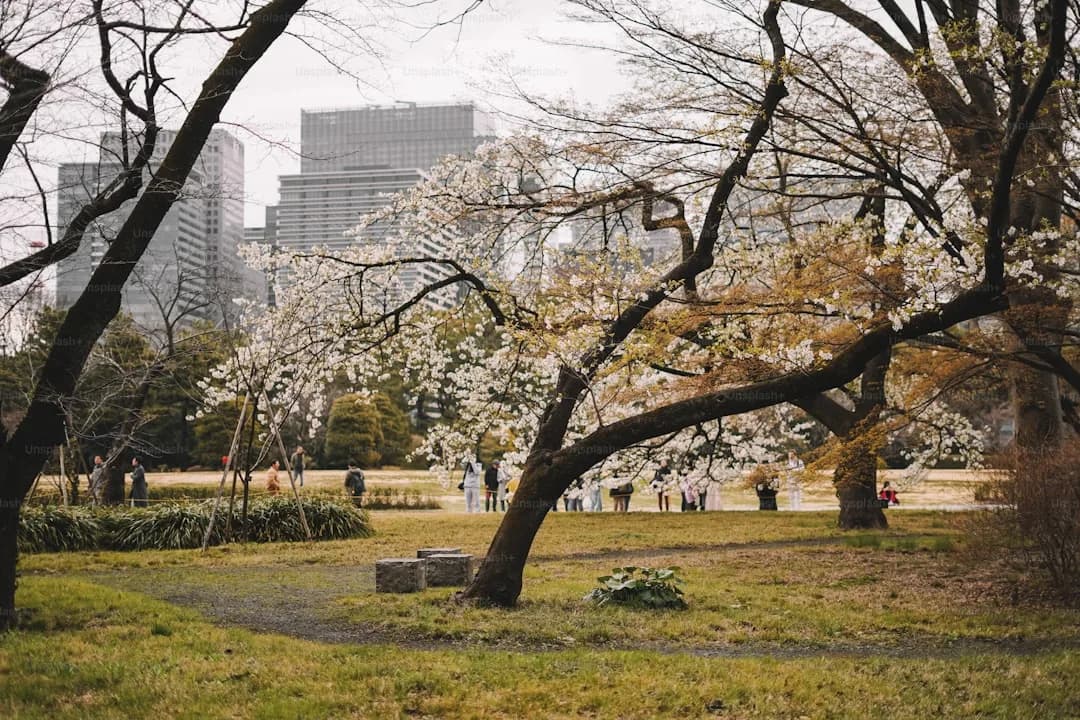
Best Time to Visit Japan: Season-by-Season Guide
Japan is one of the few countries where the time of year fundamentally changes the entire experience. Visit in late March and you will walk under clouds of pink cherry blossoms. Come in November and ancient temple gardens blaze with red and gold maple leaves. Arrive in January and you will soak in outdoor hot springs surrounded by snow. Each season brings its own festivals, foods, landscapes, and atmosphere -- and each one has devoted fans who insist it is the "right" time to go. This guide breaks down every season and every month so you can decide what matches your travel style, your interests, and your budget.
Spring (March - May)
Spring is Japan's most famous season and, for many travelers, the most magical. The star attraction is cherry blossom season (sakura), but spring offers much more than pink petals.
March
- Temperature: Tokyo 5-14C (41-57F), Kyoto 4-14C (39-57F)
- Rainfall: Moderate, occasional cold snaps
- Crowds: Building toward peak
- Cost: Hotel prices climb sharply in the last two weeks
Early March is still cool and relatively quiet. Cherry blossoms typically begin opening in southern Kyushu around March 20 and reach Tokyo and Kyoto between March 25 and April 5. The exact timing shifts year to year -- follow the Japan Meteorological Agency's sakura forecast (updated weekly from January).
Pro tip: The best cherry blossom viewing (hanami) lasts only about 7-10 days in any given location. Full bloom (mankai) is the target, but the few days after, when petals begin to fall like snow (hanafubuki), can be even more beautiful.
April
- Temperature: Tokyo 10-19C (50-66F), Kyoto 8-20C (46-68F)
- Rainfall: Light to moderate
- Crowds: Peak season -- the busiest month of the year
- Cost: Highest hotel prices, especially in Kyoto
Early April is peak sakura in Tokyo and Kyoto. By mid-April, the blossom front has moved north to the Tohoku region. Late April is ideal for visiting northern Honshu, with blossoms in Hirosaki Castle park (Aomori Prefecture) often peaking around April 23-28.
Golden Week (April 29 - May 5) begins at the end of April. This is Japan's longest holiday period, when domestic travel surges. Avoid if possible, or book everything months in advance.
May
- Temperature: Tokyo 15-24C (59-75F), Kyoto 13-25C (55-77F)
- Rainfall: Low early month, increasing toward June
- Crowds: Moderate (except Golden Week, May 1-5)
- Cost: Drops significantly after Golden Week
May after Golden Week is one of Japan's best-kept secrets. Weather is warm and pleasant, the crowds have thinned, and gardens are lush and green. Cherry blossoms reach Hokkaido in early May. Wisteria (fuji) and azalea festivals take over from sakura in parks across the country. Shibazakura (moss phlox) creates stunning pink carpets at spots like the Fuji Shibazakura Festival near Mount Fuji.
Summer (June - August)
Summer is Japan's most polarizing season. The heat and humidity can be intense, but summer also brings vibrant festivals, fireworks, and some of the country's most energetic cultural events.
June
- Temperature: Tokyo 19-26C (66-79F), Kyoto 19-28C (66-82F)
- Rainfall: Heavy -- rainy season (tsuyu) begins mid-June in most regions
- Crowds: Low outside of Okinawa
- Cost: Low season pricing in most areas
The rainy season (tsuyu) typically runs from early June to mid-July across most of Japan. Hokkaido largely escapes the rainy season, making it an excellent June destination. Kyoto's hydrangea (ajisai) gardens are spectacular in the rain, and temple gardens look their most vibrant in the wet conditions.
Pro tip: Rainy season does not mean constant downpour. You will get intermittent heavy showers mixed with overcast and occasionally sunny periods. A good rain jacket and compact umbrella are essential.
July
- Temperature: Tokyo 23-31C (73-88F), Kyoto 24-33C (75-91F)
- Rainfall: Rainy season ends mid-July; then hot and humid
- Crowds: Moderate, rising for festivals
- Cost: Moderate, spikes for festival weekends
July is festival month. Gion Matsuri in Kyoto (July 1-31, main procession July 17) is Japan's most famous festival, featuring enormous decorated floats paraded through the streets. Tenjin Matsuri in Osaka (July 24-25) includes a spectacular river boat procession and fireworks. The rainy season typically ends around July 15-20, giving way to full summer heat.
August
- Temperature: Tokyo 24-32C (75-90F), Kyoto 25-34C (77-93F)
- Rainfall: Low but possible typhoons
- Crowds: High -- Obon holiday period (August 13-16) sees domestic travel surge
- Cost: High during Obon week, moderate otherwise
August is hot and humid across most of Japan, but it brings major cultural events. Obon is Japan's festival of the dead, when families return to ancestral homes. Nebuta Matsuri in Aomori (August 2-7) features illuminated paper floats of warriors and gods. Awa Odori in Tokushima (August 12-15) is a massive four-day dance festival. Fireworks festivals (hanabi taikai) light up rivers and waterfronts across the country throughout the month.
Hokkaido remains comfortable in August (20-26C) and is the ideal summer escape. Lavender fields in Furano peak in late July through early August.
Autumn (September - November)
Autumn rivals spring as Japan's most beautiful season. Comfortable temperatures, clear skies, and stunning fall foliage make this a prime travel window.
September
- Temperature: Tokyo 20-28C (68-82F), Kyoto 20-30C (68-86F)
- Rainfall: Moderate, typhoon season continues
- Crowds: Low to moderate
- Cost: Reasonable, good deals available
September is a transition month. Early September still feels like summer, but temperatures drop noticeably in the second half. Typhoon season peaks in September, occasionally disrupting travel plans. The Silver Week holiday (around September 15-23) can cause brief domestic travel spikes.
October
- Temperature: Tokyo 14-22C (57-72F), Kyoto 12-23C (54-73F)
- Rainfall: Low -- one of the driest months
- Crowds: Rising, especially late October
- Cost: Climbing as foliage season approaches
October is arguably the best overall month to visit Japan. Temperatures are ideal for sightseeing, rain is minimal, and autumn foliage begins in the mountains and northern regions. Fall colors start in Hokkaido in early October and work their way south through the month. Alpine areas like Kamikochi and Tateyama peak around mid-October. Tokyo and Kyoto gardens begin to turn in late October.
November
- Temperature: Tokyo 8-17C (46-63F), Kyoto 7-18C (45-64F)
- Rainfall: Very low
- Crowds: Peak foliage season in Kyoto brings heavy crowds
- Cost: High in Kyoto; moderate elsewhere
November is Japan's premier foliage month for Honshu. Kyoto temples surrounded by blazing red maples are iconic -- Tofuku-ji, Eikando, and the bamboo grove at Arashiyama are unforgettable. Peak foliage in Kyoto and Tokyo typically hits between November 15-30. Many temples offer special autumn illumination events with nighttime light-up of their gardens.
Pro tip: Visit Kyoto's famous temples at opening time (usually 8:30-9:00 AM) during foliage season. By 11:00 AM, popular spots like Kiyomizu-dera become extremely crowded. Alternatively, the evening illumination events are less packed than midday.
Winter (December - February)
Winter is Japan's most underrated season. Lower tourist numbers (outside of ski resorts and the New Year period), dramatic snow landscapes, and the unique pleasure of outdoor onsen bathing in the cold make this a rewarding time to visit.
December
- Temperature: Tokyo 3-12C (37-54F), Kyoto 2-11C (36-52F), Sapporo -4-2C (25-36F)
- Rainfall/Snow: Light in Pacific side cities; heavy snow in Japan Sea side and Hokkaido
- Crowds: Low early December, rising for year-end holidays
- Cost: Budget-friendly early December; expensive December 28-January 3
Early December is a sweet spot -- winter illuminations are in full swing (Tokyo Midtown, Kobe Luminarie, Namba Parks in Osaka), autumn foliage lingers in some southern regions, and tourist numbers are low. Ski season opens in Hokkaido and the Japan Alps. The New Year period (December 28 - January 3) is a major holiday when many businesses close and domestic travel peaks.
January
- Temperature: Tokyo 1-10C (34-50F), Kyoto 1-9C (34-48F), Sapporo -7-0C (19-32F)
- Rainfall/Snow: Heavy snow in northern and Japan Sea regions
- Crowds: Low after January 3
- Cost: Low season pricing returns quickly
January is peak ski and onsen season. Japanese powder snow (Japow) in Niseko, Furano, Nozawa Onsen, and Hakuba draws skiers from around the world. The combination of outdoor onsen (rotenburo) and fresh snow is one of Japan's most memorable winter experiences. Snow monkeys bathing in the hot springs at Jigokudani Monkey Park near Nagano are a January highlight.
February
- Temperature: Tokyo 2-11C (36-52F), Kyoto 1-10C (34-50F), Sapporo -6-0C (21-32F)
- Rainfall/Snow: Continued heavy snow in the north
- Crowds: Low, except for Sapporo Snow Festival week
- Cost: Low season except Sapporo during the festival
The Sapporo Snow Festival (early February) is a world-class event featuring massive ice and snow sculptures in Odori Park. February also brings early plum blossoms (ume) in southern regions, a subtle preview of spring. Yokote Kamakura Festival in Akita Prefecture features hundreds of snow houses with candles inside -- an ethereal sight.
Month-by-Month Summary
| Month | Weather | Highlights | Crowd Level | Budget Rating |
|---|---|---|---|---|
| January | Cold, snowy north | Ski season, onsen, New Year | Low | $$ |
| February | Cold, some snow | Sapporo Snow Festival, plum blossoms | Low | $ |
| March | Cool, warming | Early cherry blossoms (south) | Medium | $$$ |
| April | Mild, pleasant | Peak cherry blossoms | Very High | $$$$ |
| May | Warm, comfortable | Wisteria, post-Golden Week calm | Medium | $$ |
| June | Warm, rainy | Hydrangea, low crowds | Low | $ |
| July | Hot, humid | Gion Matsuri, festivals | Medium | $$ |
| August | Hot, humid | Obon, fireworks, festivals | High | $$$ |
| September | Warm, typhoon risk | Transition month | Low | $ |
| October | Comfortable, dry | Early foliage, best weather | Medium | $$ |
| November | Cool, crisp | Peak foliage | High | $$$ |
| December | Cold, festive | Illuminations, early ski | Low-Medium | $$ |
Regional Considerations
Hokkaido
Best in summer (July-August) for hiking, lavender fields, and comfortable temperatures, or winter (December-March) for world-class skiing and snow festivals. Avoid the shoulder seasons unless you are specifically seeking quiet and do not mind cold or rain.
Okinawa
Japan's subtropical south has a completely different climate. Beach season runs from April to October. Rainy season hits May-June. Winters are mild (15-20C) and pleasant for sightseeing without beach crowds. Typhoon risk peaks August-September.
Japan Alps / Central Highlands
Best in summer (July-September) for hiking the Tateyama-Kurobe Alpine Route and Kamikochi. Winter (December-March) brings excellent skiing at resorts like Hakuba, Nozawa Onsen, and Shiga Kogen.
Key Takeaways
- Cherry blossom season (late March to mid-April) is the most popular but also the most crowded and expensive time to visit. Book 3-6 months ahead.
- Autumn foliage (October-November) offers comparable beauty with slightly lower crowds. November in Kyoto is extraordinary.
- May and October offer the best balance of weather, crowds, and cost.
- Summer (July-August) is hot and humid but brings incredible festivals. Consider Hokkaido for a cooler experience.
- Winter (January-February) is ideal for skiing, onsen, and budget-friendly travel with minimal crowds.
- Avoid Golden Week (April 29 - May 5) and Obon (August 13-16) unless you specifically want to experience these holidays.
Frequently Asked Questions
When is cherry blossom season exactly?
Cherry blossoms typically bloom between late March and mid-April in central Japan (Tokyo, Kyoto, Osaka). The exact timing varies by 1-2 weeks each year depending on winter temperatures. The Japan Meteorological Agency issues forecasts starting in January. In 2025, Tokyo reached full bloom on March 29. Peak viewing lasts about 7-10 days from the full bloom date. Hokkaido blooms later, around early to mid-May.
What is the cheapest time to visit Japan?
January (after the 3rd), February (excluding Sapporo Snow Festival week), June, and September offer the lowest hotel prices and airfares. The rainy season in June deters many visitors, making it surprisingly affordable if you do not mind some rain. Shoulder weeks right after Golden Week (mid-May) and right after Obon (late August) are also cost-effective.
Can I see both cherry blossoms and autumn foliage in one trip?
Not in the same trip, as they are separated by about 6 months. However, you can strategically plan to catch late cherry blossoms in the north (Hokkaido, early May) or early foliage in the mountains (October). Some years, very early autumn colors appear in high-altitude areas by late September.
Is Japan too hot in summer?
July and August in Tokyo, Osaka, and Kyoto are hot and humid (30-35C with high humidity). It is manageable if you pace yourself, stay hydrated, and duck into air-conditioned spaces regularly. Summer is the best time for Hokkaido, which stays comfortable at 20-26C. Many travelers plan summer itineraries focused on northern Japan, mountain areas, and coastal regions.
What is the typhoon season?
Typhoon season runs from June through October, with peak activity in August and September. Typhoons are more common in southern and western Japan (Okinawa, Kyushu, Shikoku). They occasionally affect Tokyo and the Kanto region. Modern weather tracking gives several days of warning, allowing you to adjust plans. Travel insurance that covers weather disruptions is recommended for summer and early autumn trips.
Sources & References
This article is based on first-hand experience and verified with the following official sources:
Go2Japan Team
Exploring Japan since 2021 | 35+ prefectures visited | Updated monthly
We are a team of travel writers and Japan enthusiasts who explore the country year-round. Our guides are based on first-hand experience, local knowledge, and verified official sources.
More about us →People Also Read
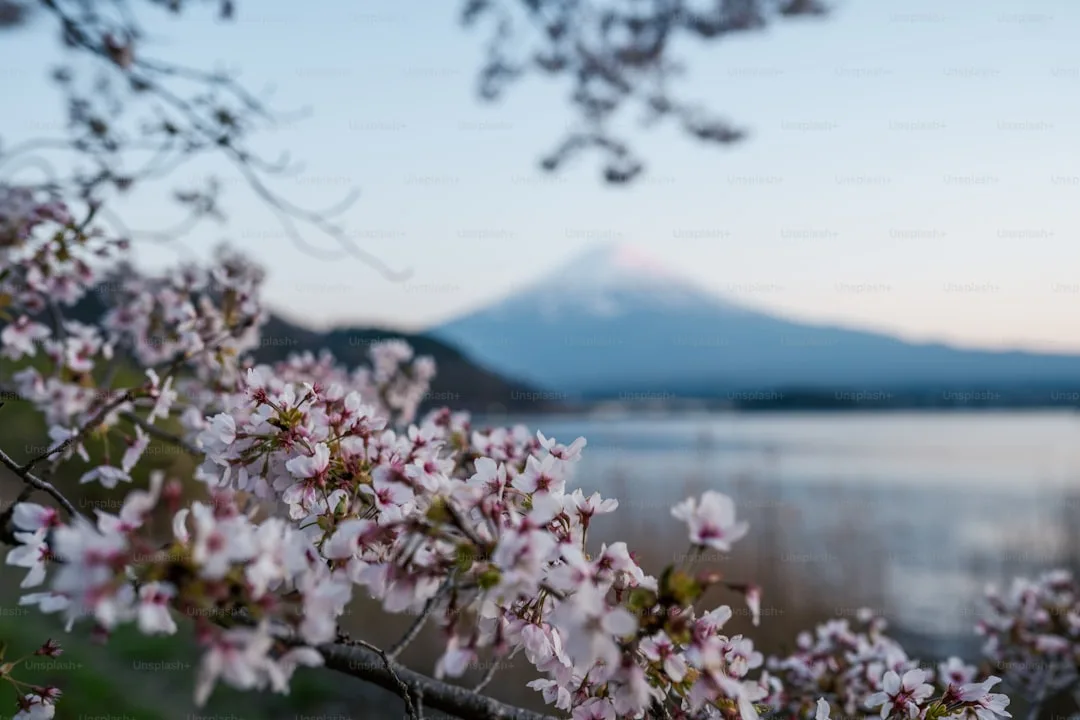
Japan Travel Guide 2026: Everything You Need to Know
Complete Japan travel guide for 2026. Covers visas, budget, transport, culture, and practical tips for first-time visitors planning a trip to Japan.
Japan Visa Guide 2026: Requirements, eVisa & Entry Rules
Complete Japan visa guide for 2026. Visa-free countries, eVisa process, required documents, Visit Japan Web registration, and entry rules for tourists.
Japanese Etiquette Guide: Do's and Don'ts for Visitors
Master Japanese etiquette with our comprehensive guide. Learn essential do's and don'ts for temples, restaurants, trains, and public spaces.
Japan Rail Pass 2026: Complete Guide to JR Pass
Complete 2026 guide to the Japan Rail Pass. Current prices, how to buy and activate, which trains are covered, and tips to maximize your JR Pass value.
Plan Your Japan Trip
Book hotels, transport, activities, and get connected with an eSIM
Some links are affiliate links. We may earn a commission at no extra cost to you.