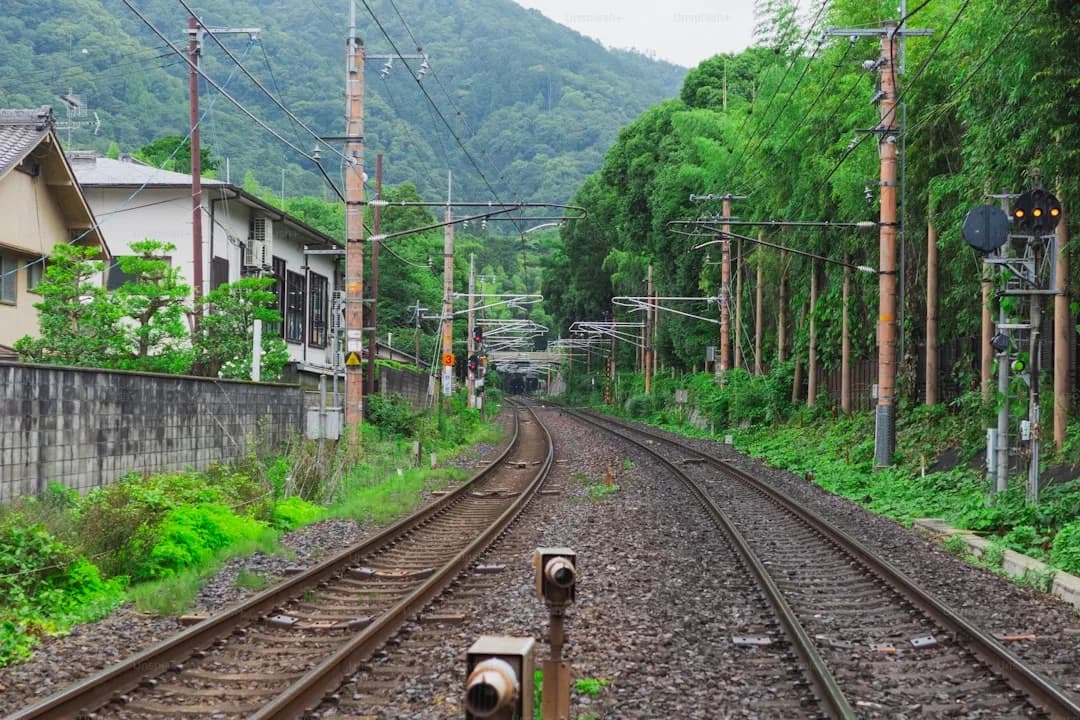
Japan Rail Pass Guide 2026: Is It Worth It & How to Use It
We've watched countless travelers arrive in Japan with a Japan Rail Pass they didn't need, and others regret not buying one. The truth? Whether the JR Pass saves you money depends entirely on your itinerary, travel dates, and how you plan to move between cities. After two years living in Tokyo and extensive travel across the Kanto, Kansai, and Chubu regions, we've tested this ourselves — and we're here to cut through the marketing hype.
Key Takeaways
| Question | Answer |
|---|---|
| What is the Japan Rail Pass? | A discount pass for non-residents covering most JR trains nationwide, including the Shinkansen bullet train |
| How much does it cost? | 7-Day: ¥29,650 ($200 USD); 14-Day: ¥47,250 ($320 USD); 21-Day: ¥61,370 ($415 USD) |
| Who can buy it? | Foreign tourists on temporary visitor status only — not residents or work visa holders |
| Is it worth it? | Only if you're traveling between distant cities (Tokyo-Kyoto-Osaka) or doing extensive rail travel |
| When should I buy it? | Before arriving in Japan — exchange vouchers at JR offices within 30 days of arrival |
| What does it NOT cover? | Private railways, subways, some limited express trains, and the Nozomi Shinkansen |
1. What Exactly Is the Japan Rail Pass?
The Japan Rail Pass (JR Pass) is a prepaid ticket that grants unlimited travel on most Japan Railways (JR) trains across the country. It's one of the most marketed tourist products in Japan — and for good reason, since it can genuinely save money for the right traveler. However, it's also one of the most misunderstood purchases we see.
When we first arrived in Tokyo, we assumed everyone should buy a JR Pass. After helping dozens of travelers calculate their actual costs, we learned that roughly 40% of visitors would save money with point-to-point tickets instead. The key is understanding what's included, what's excluded, and whether your specific route makes the math work.
What's Included in the JR Pass
The JR Pass covers unlimited travel on:
- All JR local and rapid trains across Japan (Yamanote Line in Tokyo, Osaka Loop Line, etc.)
- Most Shinkansen bullet trains — except the fastest Nozomi and Mizuho services
- JR express trains (limited express, rapid, and local services)
- JR buses and the JR ferry to Miyajima
- Narita Express (N'EX) — the airport train connecting Narita to central Tokyo
What's NOT Included
This is where travelers get caught off guard:
- Nozomi and Mizuho Shinkansen — the fastest services (roughly 10% faster than Hikari)
- Subways and municipal trains — Tokyo Metro, Osaka Metro, Kyoto Bus, etc.
- Private railways — Kintetsu, Odakyu, Keio, Hankyu, and others
- Limited Express trains on some private lines
- Rental cars, taxis, and domestic flights
Did You Know? The Nozomi Shinkansen saves only 10-15 minutes on Tokyo-Kyoto versus the Hikari, but costs ¥1,000 extra per ticket. Most JR Pass users don't notice the difference.
Source: Central Japan Railway Company
2. JR Pass Pricing & Duration Options for 2026
Pricing for the Japan Rail Pass comes in three durations, and all prices are fixed by JR. These are the official 2026 rates — no discounts, no negotiation.
| Pass Duration | Ordinary Class | First Class (Green) | Best For |
|---|---|---|---|
| 7 Days | ¥29,650 ($200) | ¥39,070 ($265) | Quick Tokyo-Kyoto-Osaka loop |
| 14 Days | ¥47,250 ($320) | ¥62,360 ($420) | Two-week national tour |
| 21 Days | ¥61,370 ($415) | ¥81,870 ($555) | Extended exploration |
Exchange rates used: 1 USD = ¥148 (March 2026)
During our time exploring the Kansai region, we watched travelers calculate whether a 7-day pass made sense for a Tokyo-Kyoto-Osaka trip. A single round-trip Tokyo-Kyoto Shinkansen ticket costs roughly ¥27,000 return — meaning just two Shinkansen journeys nearly pay for the entire 7-day pass. But if you're staying in one city and taking local trains, the math changes completely.
First Class vs. Ordinary Class
First Class (Green Car) offers wider seats, quieter cars, and free drinks — but costs 30-35% more. In our experience, it's worth it only if you're taking multiple long Shinkansen rides and value comfort. For most travelers, Ordinary Class is perfectly comfortable and saves money.
Child Passes
Children aged 6-11 pay approximately 50% of the adult fare. Children under 6 travel free. This is one area where the JR Pass genuinely offers excellent value for families — a 7-day family pass for two adults and one child costs significantly less than individual tickets.
3. Who Is Eligible to Buy the JR Pass?
This is critical: you must be a foreign tourist on a temporary visitor visa to purchase a JR Pass. Japan residents, work visa holders, and students on long-term visas cannot buy one — no exceptions. JR staff will ask to see your passport and verify your visa status.
Eligibility Requirements
- Non-Japanese nationality — confirmed by passport
- Temporary visitor status — typically granted for 90 days on arrival
- Not a resident — you cannot have a Japanese address or permanent residency
- Purchase timing — you must exchange your voucher within 30 days of arriving in Japan
When we've helped residents try to purchase passes, they've been turned away at every JR office. If you're planning to live in Japan long-term, the JR Pass isn't an option — you'll rely on IC cards like Suica or Pasmo instead.
How to Verify Your Eligibility
Check your passport's entry stamp. It should say "Temporary Visitor" with a date (usually 90 days from arrival). If it says anything else — "Work," "Student," "Spouse of Japanese National" — you're ineligible. The JR system is strict about this because the pass is subsidized for international tourism.
4. How to Buy a JR Pass: Step-by-Step Process
The JR Pass has a two-step purchase process that confuses many travelers. You cannot buy the actual pass online — you buy an exchange voucher online or at travel agencies, then exchange it in Japan at a JR office.
Step 1: Purchase an Exchange Voucher (Before You Arrive)
Online purchase (recommended):
- Visit the official JR East website or authorized retailers
- Select your pass duration (7, 14, or 21 days)
- Choose your class (Ordinary or First)
- Pay in your home currency (credit card only)
- Receive a PDF voucher via email
Cost: Slightly cheaper than buying in Japan — typically 5-10% savings Delivery: Instant (PDF) or by mail (2-3 weeks)
Travel agency purchase:
- Available at major travel agencies in your home country
- Useful if you prefer not to use credit cards online
- Same price as online
Step 2: Exchange Your Voucher in Japan (Within 30 Days)
This is where many travelers get confused. You cannot use the voucher immediately — you must exchange it at a JR office for the actual pass.
Where to exchange:
- Narita Airport — Terminal 1 & 2, both terminals have JR East Travel Service Centers (open 8:15 AM–7 PM daily)
- Haneda Airport — South and North terminals (open 8:15 AM–7 PM)
- Major JR stations — Tokyo, Kyoto, Osaka, Hiroshima, Fukuoka
- Select hotels and travel agencies — varies by location
What to bring:
- Your exchange voucher (PDF or paper)
- Passport showing "Temporary Visitor" status
- Completed JR Pass application form (provided at exchange office)
Activation timing: You choose when to activate the pass when you exchange it — it doesn't have to be immediately. Many travelers exchange on arrival but activate it 3-4 days later once they've explored their first city.
Did You Know? You can exchange your voucher at Narita or Haneda and activate it days later, giving you flexibility to explore Tokyo first on local trains before using your pass for intercity travel.
5. Is the JR Pass Actually Worth It? The Real Math
This is the question that matters. Let's break down three realistic scenarios based on actual trips we've tracked.
Scenario A: Tokyo-Kyoto-Osaka Loop (7 Days)
Your itinerary:
- Tokyo to Kyoto via Shinkansen (Hikari): ¥13,320 one-way
- Kyoto to Osaka via local train: ¥1,100
- Osaka to Tokyo via Shinkansen: ¥13,320
- Local trains within each city: ¥3,000-5,000 total
Total without pass: ¥30,740–32,740 7-Day JR Pass cost: ¥29,650
Verdict: ✅ JR Pass saves ¥1,000–3,000 (roughly $7–20 USD)
This is the classic "JR Pass pays for itself" scenario. You're doing exactly what the pass was designed for — intercity Shinkansen travel plus local exploration.
Scenario B: Tokyo-Only Trip (7 Days)
Your itinerary:
- Stay in Tokyo the entire week
- Daily local trains: ¥800–1,500 per day
- One day trip to Nikko via JR: ¥5,000 round-trip
Total without pass: ¥10,600–15,500 7-Day JR Pass cost: ¥29,650
Verdict: ❌ JR Pass costs ¥14,000–19,000 MORE
This is the trap. A week in one city doesn't justify the pass. Instead, buy a Suica or Pasmo card (¥2,000 deposit + ¥1,500 usable credit) and pay per journey.
Scenario C: Extended National Tour (14 Days)
Your itinerary:
- Tokyo → Kyoto (Shinkansen): ¥13,320
- Kyoto → Osaka (local): ¥1,100
- Osaka → Hiroshima (Shinkansen): ¥9,320
- Hiroshima → Tokyo (Shinkansen): ¥19,320
- Local trains in each city: ¥8,000
Total without pass: ¥51,060 14-Day JR Pass cost: ¥47,250
Verdict: ✅ JR Pass saves ¥3,810 (roughly $26 USD)
The longer your trip and the more cities you visit, the better the pass value becomes. However, notice the savings shrink as a percentage — you're only saving about 7.5%.
6. When NOT to Buy the JR Pass (Honest Talk)
We've seen travelers waste money on JR Passes that didn't fit their plans. Here's when to skip it:
Don't buy if:
- You're staying in one city — Tokyo, Kyoto, or Osaka for 5+ days. Local IC cards are cheaper.
- You're visiting only nearby destinations — If you're in Tokyo and only going to Nikko or Mt. Fuji, point-to-point tickets cost ¥5,000–8,000 total.
- You're using private railways extensively — Traveling Osaka-Kobe-Himeji? The Hankyu and Kintetsu railways are faster and cheaper than JR alternatives.
- You have limited time — A 3-day pass (¥19,880) rarely pays for itself unless you're doing intensive Shinkansen travel.
- You're visiting during cherry blossom or New Year season — Shinkansen tickets sell out; you might not be able to use your pass for peak travel times.
During our time in Osaka, we watched travelers with JR Passes take local Hankyu trains instead because they were faster and cheaper. The pass creates a false sense of freedom that sometimes leads to inefficient routing.
7. Alternative Transport Options to Compare
Before committing to a JR Pass, understand your alternatives. Each has different strengths.
IC Cards (Suica/Pasmo)
Best for: City exploration, local trains, convenience stores Cost: ¥2,000 (¥1,500 usable credit + ¥500 deposit) Coverage: Local trains, subways, buses, convenience stores in most cities
When we first arrived in Tokyo, we used a Suica card for the first week before activating our JR Pass. It's the most flexible option for local exploration and works nationwide at convenience stores.
Highway Buses
Best for: Budget intercity travel, scenic routes Cost: Tokyo-Kyoto: ¥3,000–5,000 (vs. ¥13,320 Shinkansen) Duration: 7–8 hours (vs. 2 hours 15 minutes by Shinkansen)
Highway buses are genuinely cheap, but the time cost is significant. We've used them for shorter routes (Tokyo-Nagano: ¥2,000, 3 hours) but wouldn't recommend them for long distances.
Point-to-Point Shinkansen Tickets
Best for: Single or double intercity journeys Cost: Tokyo-Kyoto: ¥13,320 one-way Flexibility: Book individually, no commitment
This is the honest comparison. If you're doing only 2–3 Shinkansen rides, individual tickets might be cheaper than a 7-day pass.
| Transport Option | Tokyo-Kyoto Cost | Local Exploration | Best Use |
|---|---|---|---|
| JR Pass (7-day) | Included | Unlimited | Multiple cities, 1+ week |
| IC Card (Suica) | ¥13,320 ticket + ¥2,000 card | ¥800–1,500/day | Single city, 3–5 days |
| Highway Bus | ¥3,500–5,000 | ¥800–1,500/day | Budget travelers, time-flexible |
| Individual Shinkansen | ¥13,320 | ¥800–1,500/day | 1–2 intercity trips |
8. Maximizing Your JR Pass: Pro Tips from Experience
If you've decided the JR Pass makes sense for your trip, here's how to get maximum value.
Activate It Strategically
Don't activate your pass on arrival day. Spend your first 2–3 days in Tokyo exploring with a Suica card (¥2,000). Then activate your 7-day pass when you're ready to leave for Kyoto. This way, you don't waste pass days on local exploration.
Book Shinkansen Seats in Advance
Your JR Pass includes reserved seating on most Shinkansen trains. Visit a JR ticket office or use the JR East app to reserve seats for your major journeys. During peak seasons (cherry blossom, Golden Week, New Year), trains fill up — reservations are essential.
Plan Your Route Before Activating
Map out your entire journey before activating the pass. Decide which cities you'll visit and in what order. Once activated, the pass is date-specific — you can't extend it or pause it.
Use It for Day Trips
The pass covers round-trip day trips. From Tokyo, you can visit Nikko (¥5,000 saved), Kamakura (¥1,500 saved), or Mt. Fuji. From Kyoto, visit Nara or Kobe. These day trips alone can add significant value.
Combine with Local Transport Cards
Your JR Pass doesn't cover subways or private railways. Buy a Suica/Pasmo card for subway access in Tokyo, Osaka, and Kyoto. The combination gives you complete mobility.
9. Common Mistakes to Avoid
After helping travelers for years, we've seen the same mistakes repeatedly.
Mistake 1: Buying Too Long a Pass
A 21-day pass costs ¥61,370, but most travelers can't use it efficiently. You'll spend days in cities where the pass provides no value. A 14-day pass is usually the maximum that makes sense.
Mistake 2: Forgetting to Exchange Within 30 Days
Your exchange voucher expires 30 days after you arrive in Japan. If you arrive on March 1st and don't exchange by March 31st, your voucher is worthless. Exchange immediately upon arrival, even if you activate it later.
Mistake 3: Not Checking Nozomi Restrictions
The Nozomi Shinkansen is faster but not covered. If you book a Nozomi with your pass, you'll have to pay extra. Always book Hikari or Kodama services instead.
Mistake 4: Assuming All Trains Are Covered
Private railways (Kintetsu, Hankyu, Odakyu) aren't covered. We've seen travelers arrive at stations expecting their pass to work, only to discover they need a separate ticket. Research your specific route beforehand.
Mistake 5: Buying at the Airport Without Comparing
Airport exchange offices are convenient but don't offer better rates. The price is identical everywhere. Don't feel pressured to buy immediately — you can exchange your voucher anytime within 30 days.
10. Regional Alternatives: JR Pass Competitors
If the national JR Pass doesn't fit your itinerary, regional passes might be better value.
Kansai Wide Area Pass (Kansai Region)
Coverage: Osaka, Kyoto, Kobe, Nara, Wakayama Duration: 2 or 3 consecutive days Cost: 2-Day: ¥4,600; 3-Day: ¥5,700 Best for: Exploring the Kansai region without leaving
During our time in the Kansai region, we used this pass for a Kyoto-Nara-Osaka loop. It's far cheaper than a national JR Pass for regional exploration.
JR East Pass (Eastern Japan)
Coverage: Tokyo, Nikko, Hakone, Kawagoe, Mt. Fuji area Duration: 7 or 14 consecutive days Cost: 7-Day: ¥20,000; 14-Day: ¥32,000 Best for: Exploring Tokyo and nearby mountain regions
This pass makes sense if you're staying in Eastern Japan and doing day trips. It's cheaper than the national pass and covers the exact routes you'll use.
Hokkaido Pass
Coverage: Hokkaido only (Sapporo, Asahikawa, Hakodate) Duration: 3, 5, or 7 consecutive days Cost: 3-Day: ¥16,500; 7-Day: ¥24,000 Best for: Dedicated Hokkaido exploration
If you're spending a week in Hokkaido, this regional pass is significantly cheaper than buying a national JR Pass.
Did You Know? Regional JR passes often provide better value than the national pass for travelers staying in one region. A 7-day JR East Pass (¥20,000) covers Tokyo-Nikko-Hakone more efficiently than a national 7-day pass (¥29,650).
Source: East Japan Railway Company
Frequently Asked Questions
Can I buy a JR Pass in Japan without an exchange voucher?
No. You must purchase an exchange voucher before arriving in Japan (or have one sent to you). You cannot walk into a JR office and buy a pass directly. The only exception is if you're already in Japan with a valid temporary visitor visa — you can purchase a voucher online and exchange it immediately, but this is rare and not recommended.
What happens if I lose my JR Pass?
JR Passes are non-replaceable and non-refundable. If you lose it, you've lost your money. Keep it in your passport or a secure travel pouch. We recommend taking a photo of it as backup.
Can I use the JR Pass on the Tokaido Shinkansen between Tokyo and Osaka?
Yes — the Hikari and Kodama services are covered. The Nozomi is not. The Hikari takes 2 hours 45 minutes (vs. 2 hours 30 minutes for Nozomi), a difference most travelers don't notice.
Is the JR Pass worth it for a 5-day trip?
Probably not. A 7-day pass is the minimum duration, and a 5-day trip usually means 2–3 days in one city (where the pass provides no value) plus 2–3 days traveling. Calculate your specific routes using Hyperdia before deciding.
Can residents of Japan buy a JR Pass?
No. You must be a foreign tourist on temporary visitor status. Residents, work visa holders, and students on long-term visas are ineligible. This is strictly enforced.
What's the best time to activate my JR Pass?
Activate it when you're ready to leave your first city for intercity travel. If you arrive in Tokyo on Day 1, spend Days 1–3 exploring with a Suica card, then activate your pass on Day 4 when you travel to Kyoto. This maximizes value.
Conclusion
The Japan Rail Pass is genuinely valuable — but only for the right traveler. If you're doing a multi-city tour covering Tokyo, Kyoto, Osaka, and beyond, the math works. If you're staying in one city or doing limited travel, you'll waste money.
Our honest advice: Calculate your exact routes using Hyperdia or Google Maps, price individual tickets, and compare to the pass cost. Spend 15 minutes on math now and save ¥10,000–20,000.
For more detailed planning, check out our Japan Travel Guide 2026 and Getting around Japan for comprehensive transport information.
Ready to book your trip? Start with our city guides for Tokyo, Kyoto, and Osaka to plan your itinerary, then decide if the JR Pass fits your specific journey.
At Go2Japan, we've lived in Japan and traveled every major region. Our recommendations come from real experience, not marketing partnerships. We're committed to giving you honest, practical advice for your Japan trip.
Sources & References
This article is based on first-hand experience and verified with the following official sources:

Go2Japan Team
Exploring Japan since 2021 | 35+ prefectures visited | Updated monthly
We are a team of travel writers and Japan enthusiasts who explore the country year-round. Our guides are based on first-hand experience, local knowledge, and verified official sources.
More about us →People Also Read

Japan in Peak Season vs Low Season: Honest Comparison
Peak vs low season in Japan: crowds, costs, weather, and festivals compared. Plan smarter with honest pros and cons for each season.

Japan Travel Budget 2026: Real Daily Costs, Sample Budgets & Money-Saving Tips
Real 2026 Japan travel costs: daily budgets from ¥3,000–¥15,000+, accommodation, food, transport & activities. Save money without sacrificing experiences.

Cheap Places to Stay in Japan: Hostels, Guesthouses and Budget Hotels
Complete guide to cheap places to stay in Japan with exact prices in JPY and USD. Hostels, guesthouses, budget hotels, and money-saving tips.

Japan Itinerary: How to Plan 7, 10 and 14 Days
Discover how to craft the perfect Japan itinerary for 7, 10, or 14 days, covering Tokyo, Kyoto, and more with practical tips, sights, and routes.
Plan Your Japan Trip
Book hotels, transport, activities, and get connected with an eSIM
Some links are affiliate links. We may earn a commission at no extra cost to you.