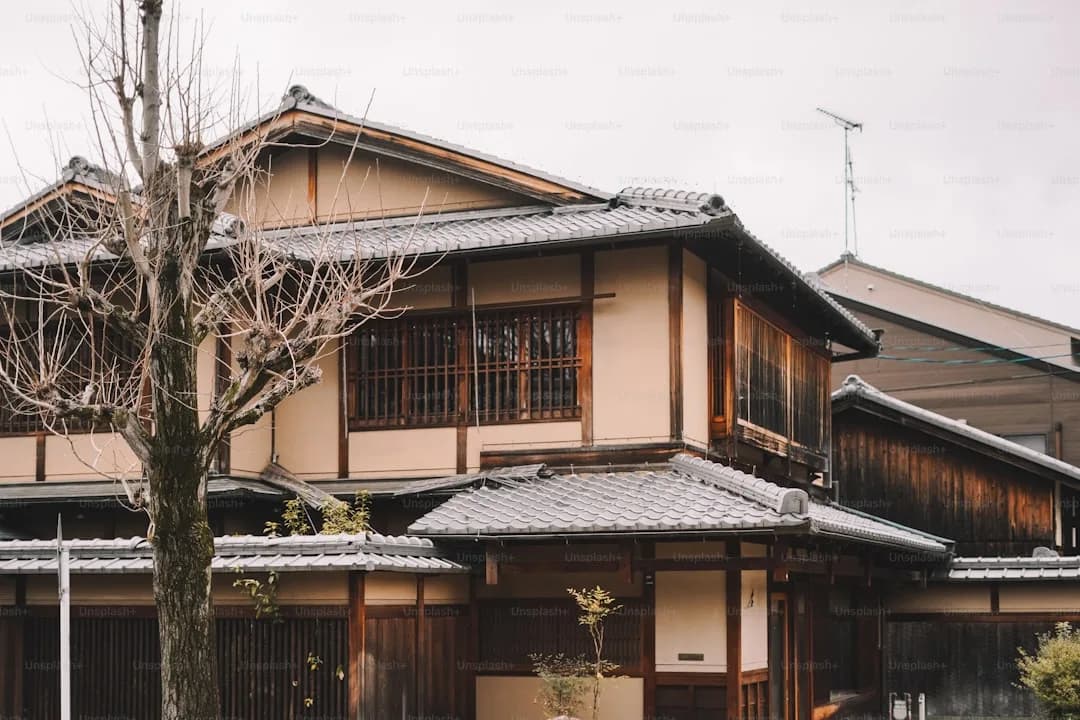
Kyoto Temple Guide: 15 Must-Visit Temples & Shrines
Kyoto served as Japan's imperial capital for over a thousand years, from 794 to 1868. That millennium left behind more than 1,600 Buddhist temples and 400 Shinto shrines, 17 of which are UNESCO World Heritage Sites. The sheer number can be overwhelming when you are planning a visit, and temple fatigue is a real risk if you try to see too many in one day. This guide narrows the field to 15 essential temples and shrines, with practical details on each -- what makes it special, when to go, what it costs, and how long to spend there. We also cover temple etiquette, suggested itineraries, and tips for beating the crowds.
Understanding the Difference: Temples vs. Shrines
Before diving in, a quick distinction. Temples (tera or ji) are Buddhist. You will recognize them by their large entrance gates (sanmon), pagodas, and incense burners. Shrines (jinja or taisha) are Shinto. They have torii gates (the iconic red or wooden gates), shimenawa (sacred ropes), and komainu (guardian lion-dog statues). Some sites blend both traditions. Kyoto has exceptional examples of each.
The 15 Must-Visit Temples and Shrines
1. Fushimi Inari Taisha (Shrine)
What: Kyoto's most visited site -- a Shinto shrine famous for its thousands of vermillion torii gates winding up Mount Inari.
- Entry: Free
- Hours: Open 24 hours
- Time needed: 1-3 hours (the full mountain loop takes 2-3 hours)
- Getting there: JR Nara Line to Inari Station (2 minutes from the shrine) or Keihan Line to Fushimi-Inari Station (5-minute walk)
The main path with its iconic torii tunnel takes about 30-45 minutes to reach the first major viewpoint. Most tourists stop here, but continuing to the summit is far less crowded and deeply atmospheric. The entire loop is about 4 km with 230 meters of elevation gain.
Pro tip: Visit at dawn (before 7 AM) or in the evening to experience the gates without crowds. The shrine is open 24 hours, and the gates are lit at night.
2. Kinkaku-ji -- Golden Pavilion (Temple)
What: A Zen temple whose top two floors are entirely covered in gold leaf, reflected in a surrounding mirror pond.
- Entry: Y500
- Hours: 9:00-17:00
- Time needed: 45-60 minutes
- Getting there: Bus 101 or 205 from Kyoto Station to Kinkakuji-michi
Originally built as a retirement villa for Shogun Ashikaga Yoshimitsu in 1397, the current structure is a 1955 reconstruction after a monk infamously burned down the original in 1950. Despite being a reconstruction, the golden pavilion against the pond and garden is one of Japan's most photographed scenes.
Pro tip: The first 30 minutes after opening are the least crowded. Late afternoon light gives the gold leaf a warm glow.
3. Kiyomizu-dera (Temple)
What: An ancient temple perched on a hillside with a massive wooden terrace offering panoramic views of Kyoto.
- Entry: Y400
- Hours: 6:00-18:00 (extended hours during special illumination periods)
- Time needed: 1-1.5 hours
- Getting there: Bus 100 or 206 to Kiyomizu-michi, then a 10-minute uphill walk
The main hall's wooden terrace extends 13 meters over the hillside, supported by 139 pillars without a single nail. The Japanese expression "jumping off the stage at Kiyomizu" (meaning to take a leap of faith) refers to this platform. The surrounding Higashiyama district, with its preserved streets and pottery shops, is essential strolling territory.
Pro tip: Kiyomizu-dera opens at 6:00 AM -- far earlier than most temples. Arriving by 6:30 gives you the terrace virtually to yourself before tour buses arrive around 9:30.
4. Arashiyama Bamboo Grove (Area)
What: A towering bamboo forest path on the western outskirts of Kyoto.
- Entry: Free
- Hours: Always open
- Time needed: 30-60 minutes (longer if combined with Tenryu-ji)
- Getting there: JR Sagano Line to Saga-Arashiyama Station (15-minute walk) or Keifuku Arashiyama Line to Arashiyama Station
The bamboo grove itself is a relatively short path (about 500 meters), but walking through the towering stalks with light filtering through is genuinely magical. The experience is significantly diminished by crowds, which peak between 10 AM and 3 PM.
Pro tip: Arrive before 8:00 AM or after 4:30 PM. The early morning light through the bamboo is extraordinary, and you may have the path nearly to yourself.
5. Tenryu-ji (Temple)
What: A UNESCO World Heritage Zen temple adjacent to the Bamboo Grove, famous for its stunning garden.
- Entry: Y500 (garden only), Y800 (garden + temple buildings)
- Hours: 8:30-17:00
- Time needed: 45-60 minutes
- Getting there: Combine with Arashiyama Bamboo Grove
The Sogenchi Pond Garden was designed by the famous monk Muso Soseki in the 14th century and has remained virtually unchanged. The garden's borrowed scenery (shakkei) technique incorporates the Arashiyama mountains as a natural backdrop. The rear exit leads directly into the Bamboo Grove.
6. Ginkaku-ji -- Silver Pavilion (Temple)
What: A Zen temple at the north end of the Philosopher's Path, known for its restrained beauty and moss garden.
- Entry: Y500
- Hours: 8:30-17:00 (9:00-16:30 in winter)
- Time needed: 45-60 minutes
- Getting there: Bus 100 to Ginkakuji-michi
Despite its name, the Silver Pavilion was never actually coated in silver. Built as a retirement villa for Shogun Ashikaga Yoshimasa in 1482, its understated aesthetic represents the wabi-sabi philosophy -- beauty in imperfection. The sand garden with its perfectly shaped cone (kogetsudai, said to represent Mount Fuji) and rippled sand sea (ginshadan) are mesmerizing.
7. Philosopher's Path (Walking Route)
What: A 2 km canal-side walking path connecting Ginkaku-ji to the Nanzen-ji area, lined with cherry trees and small temples.
- Entry: Free
- Hours: Always open
- Time needed: 30-45 minutes walking, longer with stops
- Getting there: Start at Ginkaku-ji and walk south, or start at Nanzen-ji and walk north
Named after the philosopher Nishida Kitaro, who meditated while walking this route daily. The path is at its most beautiful during cherry blossom season (early April) and autumn foliage (late November). Small cafes, boutiques, and hidden temples line the route.
8. Nanzen-ji (Temple)
What: One of Kyoto's most important Zen temples, featuring a massive gate and a striking Roman-style brick aqueduct.
- Entry: Grounds free; Sanmon gate Y600; Hojo garden Y600
- Hours: 8:40-17:00
- Time needed: 45-60 minutes
- Getting there: Tozai subway to Keage Station (10-minute walk) or walk from the Philosopher's Path
The Sanmon gate is one of Japan's three great gates, and climbing to the top offers views across Kyoto. Behind the main complex, a red brick aqueduct from the Meiji period cuts through the temple grounds -- an unexpected fusion of ancient and industrial that has become an Instagram favorite.
9. Ryoan-ji (Temple)
What: Home to Japan's most famous rock garden -- 15 stones on white gravel that have puzzled visitors for centuries.
- Entry: Y500
- Hours: 8:00-17:00 (8:30-16:30 in winter)
- Time needed: 30-45 minutes
- Getting there: Bus 59 from Kinkaku-ji (combine the two) or Keifuku Line to Ryoanji Station
The rock garden is arranged so that from any seated position on the viewing platform, at least one of the 15 stones is hidden from view. The meaning is endlessly debated -- islands in an ocean, a tiger carrying cubs across a river, or nothing at all. Sit quietly on the wooden platform and let it wash over you.
10. Tofuku-ji (Temple)
What: A large Zen temple complex that becomes Kyoto's most spectacular autumn foliage destination.
- Entry: Y500 (garden); Y500 (Tsutenkyo Bridge during autumn)
- Hours: 9:00-16:00
- Time needed: 45-60 minutes
- Getting there: JR Nara Line or Keihan Line to Tofukuji Station (10-minute walk)
The Tsutenkyo Bridge spanning a valley of Japanese maples is one of Japan's most photographed autumn scenes. During peak foliage (mid-to-late November), the temple restricts photography on the bridge itself to manage crowds. Visit early morning for the best experience. Outside of autumn, the Zen gardens designed by Mirei Shigemori are fascinating.
11. Sanjusangen-do (Temple)
What: A long, narrow hall containing 1,001 life-size gilded statues of Kannon, the goddess of mercy.
- Entry: Y600
- Hours: 8:30-17:00 (9:00-16:00 in winter)
- Time needed: 30-45 minutes
- Getting there: Bus 100 or 206 from Kyoto Station, or a 15-minute walk from Shichijo Station
The main hall is 120 meters long, making it the longest wooden structure in Japan. The 1,001 Kannon statues, each slightly different, create an overwhelming visual effect. The 28 guardian deities flanking the statues include figures from Hindu mythology. This is one of Kyoto's most unique temple experiences.
12. Nijo Castle (Castle/Temple Complex)
What: A UNESCO World Heritage castle with famous "nightingale floors" that chirp when walked upon -- an intruder detection system from the 1600s.
- Entry: Y1,300 (full access)
- Hours: 8:45-17:00 (last entry 16:00)
- Time needed: 1-1.5 hours
- Getting there: Tozai subway to Nijo-jo mae Station
Built by Tokugawa Ieyasu in 1603, Nijo Castle represents the power of the shogunate. The Ninomaru Palace interior features painted sliding doors (fusuma) by the Kano school, and the nightingale floors genuinely chirp as you walk. The surrounding gardens are beautiful in every season.
13. Byodo-in (Temple)
What: The temple depicted on the Y10 coin, with its famous Phoenix Hall reflected in a pond.
- Entry: Y700 (grounds), Y300 additional for Phoenix Hall interior
- Hours: 8:30-17:30
- Time needed: 1-1.5 hours
- Getting there: JR Nara Line to Uji Station (10-minute walk). About 30 minutes from Kyoto Station.
Located in Uji (a short train ride south of central Kyoto), Byodo-in's Phoenix Hall dates to 1053 and is the only surviving example of Heian-period palace architecture. The reflection of the hall in the pond is one of Japan's most recognizable images. Uji is also Japan's green tea capital -- combine the temple visit with a matcha tea experience.
14. Eikando (Temple)
What: Known as the "Temple of Autumn Leaves," Eikando features one of Kyoto's finest autumn illuminations.
- Entry: Y600 (regular), Y1,000 (autumn illumination period)
- Hours: 9:00-17:00; autumn illumination 17:30-21:00
- Time needed: 45-60 minutes
- Getting there: Walk from Nanzen-ji (5 minutes) or bus to Nanzenji-Eikando-michi
During the annual autumn illumination (mid-November to early December), the temple gardens are dramatically lit at night, reflecting maples in the pond. It is one of Kyoto's most magical evening experiences. Outside of autumn, the temple is peaceful and far less visited.
15. Daitoku-ji (Temple Complex)
What: A large Zen temple complex with multiple sub-temples, famous gardens, and tea houses -- and far fewer tourists than most Kyoto sites.
- Entry: Free for grounds; sub-temples Y400-500 each
- Hours: 9:00-16:30 (varies by sub-temple)
- Time needed: 1-2 hours
- Getting there: Bus 204 or 206 to Daitokuji-mae
Daitoku-ji is where serious Zen practitioners and garden enthusiasts go. The sub-temples Koto-in (famous for its maple-lined approach), Daisen-in (dry landscape garden), and Zuiho-in are highlights. Because it is off the main tourist circuit, you may be the only visitor in some sub-temples. This is Kyoto at its most meditative.
Pro tip: Koto-in's approach path in autumn, with red maples falling on moss, is one of the most beautiful scenes in all of Kyoto. It has been intermittently closed for repairs -- check current status before visiting.
Temple and Shrine Etiquette
At the Entrance
- Remove your shoes when entering temple buildings (not shrines, unless entering an inner hall). Carry them in the provided bag.
- If there is a purification fountain (temizuya/chozuya), wash your hands: take the ladle in your right hand, pour water over your left hand, switch and pour over your right hand, then pour a little water into your cupped left hand to rinse your mouth (spit discreetly, not back into the basin).
Inside Temples and Shrines
- Keep your voice low
- Do not touch statues, paintings, or structures
- Photography is usually allowed outdoors but often prohibited inside temple halls. Look for signs or ask
- Follow the marked path and direction of flow
- If there is a central incense burner, you may fan the smoke toward yourself (believed to have healing properties)
At Shrines
- Bow slightly before passing through a torii gate
- Walk to the side of the main path, not down the center (the center is for the gods)
- At the offering box: toss a coin (Y5 is considered lucky), bow twice, clap twice, make a wish, bow once more
Dress Code
- Cover shoulders and knees (not always enforced but always respectful)
- Avoid wearing hats inside temple buildings
- Carry a light scarf or cardigan for impromptu temple visits
Suggested Itineraries
One Day: Kyoto Highlights
Morning (7:00-12:00): Fushimi Inari at dawn, then Kiyomizu-dera when it opens at 6:00 AM. Walk through the Higashiyama district to Gion for lunch.
Afternoon (12:00-17:00): Bus to Kinkaku-ji, then walk or bus to Ryoan-ji. If time permits, continue to Arashiyama for the Bamboo Grove.
Two Days: Comprehensive Coverage
Day 1 (Eastern Kyoto): Fushimi Inari, Tofuku-ji, Sanjusangen-do, Kiyomizu-dera, Higashiyama walk, Gion evening stroll.
Day 2 (Northern and Western Kyoto): Kinkaku-ji, Ryoan-ji, Arashiyama Bamboo Grove, Tenryu-ji. Afternoon: Ginkaku-ji and Philosopher's Path to Nanzen-ji.
Three Days: Full Immersion
Add Nijo Castle, Daitoku-ji, Eikando, a day trip to Uji for Byodo-in and matcha, and a morning at Nishiki Market. The third day allows a more relaxed pace, which is how Kyoto is best experienced.
Key Takeaways
- Start early. Kiyomizu-dera opens at 6:00 AM, Fushimi Inari is open 24 hours. The biggest crowds arrive between 10:00 AM and 3:00 PM.
- Limit yourself to 3-4 temples per day to avoid temple fatigue. Quality over quantity.
- Mix temples with other experiences -- Nishiki Market, tea ceremonies, Gion walks, and garden strolls provide variety.
- Autumn (November) and cherry blossom season (early April) transform the temples but bring heavy crowds. Visit on weekdays if possible.
- Bus passes save money. The Kyoto City Bus one-day pass is discontinued, but the subway + bus one-day pass (Y1,100) is useful if you combine both.
- Fushimi Inari, Kinkaku-ji, and Kiyomizu-dera are the "big three" -- do not miss them, but explore beyond them for the real magic of Kyoto.
Frequently Asked Questions
How many temples should I visit per day?
Three to four is ideal for most visitors. After five or six, fatigue sets in and they start to blur together. Mix temples with walks through neighborhoods, food markets, and parks to keep the experience fresh. Quality of engagement matters more than quantity.
Do I need to buy a combined temple pass?
There is no single all-inclusive pass for Kyoto's temples. Each temple charges its own admission (typically Y400-600). Some tours and activity platforms bundle tickets with guided tours, which can add context and value.
Are there English-language tours available?
Yes. Volunteer guides are available through the Kyoto Goodwill Guide network (free, book in advance). Private guides run Y20,000-40,000 per day. Audio guides are available at major temples (Y500-1,000). Context and history significantly enhance temple visits, so a guide for at least one day is worth considering.
What should I wear to visit temples?
Casual clothing is fine, but covering shoulders and knees shows respect. You will be removing shoes frequently, so slip-on shoes or easily removed sneakers are practical. In summer, carry a small towel for sweat and a light covering for temple interiors.
Is it worth visiting Kyoto in the rain?
Absolutely. Rain gives Kyoto's moss gardens, stone paths, and wooden buildings a glistening quality that many consider more beautiful than sunshine. Temples are less crowded in the rain, and the atmosphere becomes more contemplative. Bring a good rain jacket and consider purchasing a traditional clear plastic umbrella from any convenience store for Y500.
Sources & References
This article is based on first-hand experience and verified with the following official sources:
Go2Japan Team
Exploring Japan since 2021 | 35+ prefectures visited | Updated monthly
We are a team of travel writers and Japan enthusiasts who explore the country year-round. Our guides are based on first-hand experience, local knowledge, and verified official sources.
More about us →People Also Read
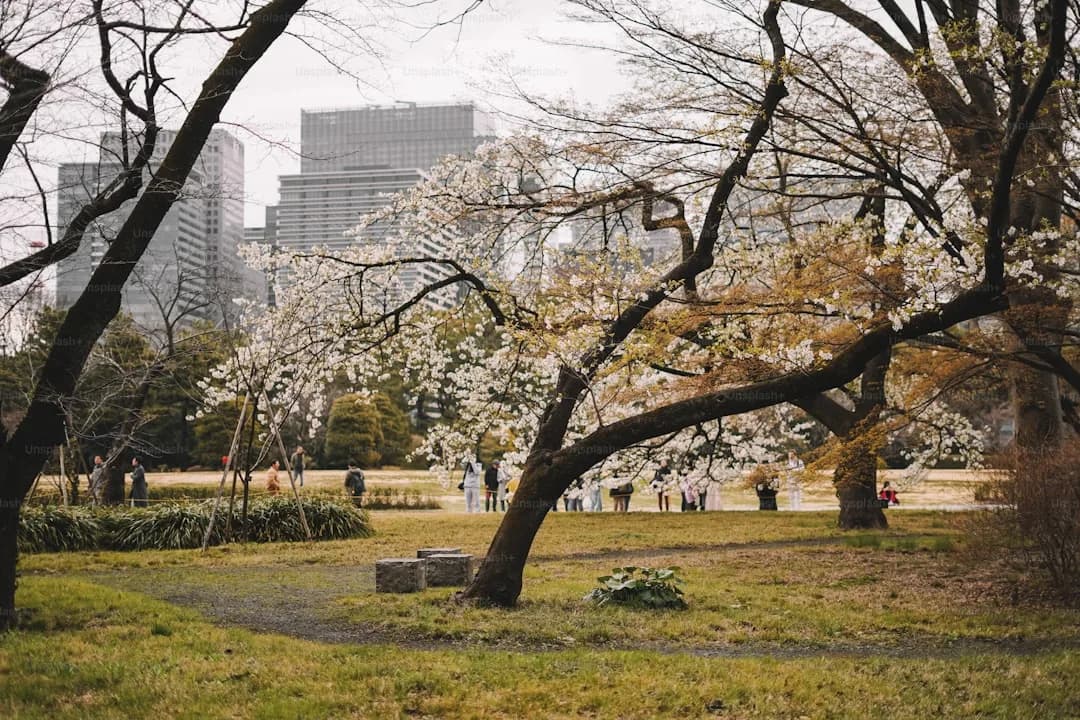
Best Time to Visit Japan: Season-by-Season Guide
Find the best time to visit Japan with our season-by-season guide. Cherry blossoms, autumn foliage, summer festivals, and winter snow -- month-by-month breakdown.
Cheapest Way to Travel Between Japanese Cities: Complete Budget Guide 2026
Save money traveling between Japanese cities. Compare trains, buses, and flights with exact prices in JPY and USD. Expert budget tips from local travelers.
Japan Rail Pass 2026: Complete Guide to JR Pass
Complete 2026 guide to the Japan Rail Pass. Current prices, how to buy and activate, which trains are covered, and tips to maximize your JR Pass value.
Japan Travel Guide 2026: Everything You Need to Know
Complete Japan travel guide for 2026. Covers visas, budget, transport, culture, and practical tips for first-time visitors planning a trip to Japan.
Plan Your Japan Trip
Book hotels, transport, activities, and get connected with an eSIM
Some links are affiliate links. We may earn a commission at no extra cost to you.