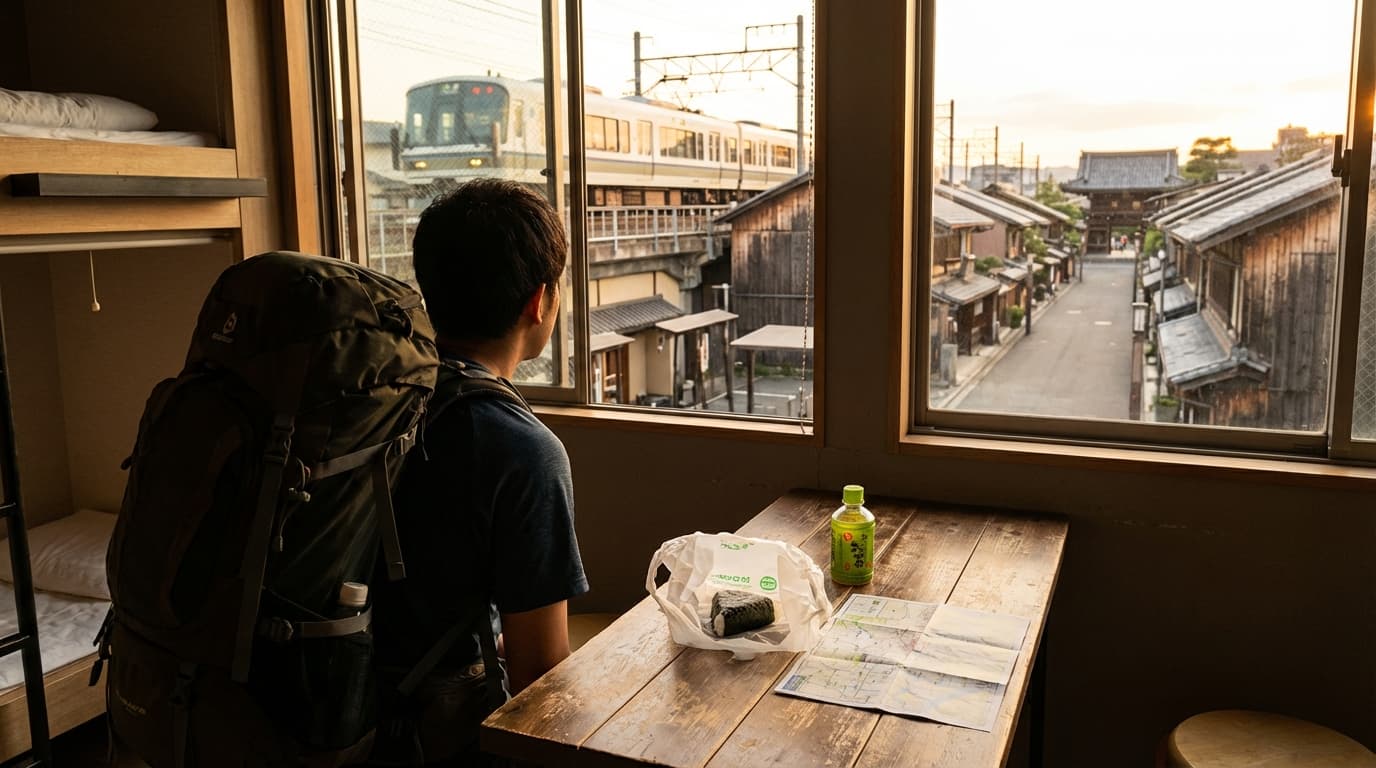
Free Things to Do in Kyoto: Complete Budget Travel Guide 2026
Kyoto doesn't require a massive budget to experience its magic—some of the city's most breathtaking moments are completely free. When we spent weeks exploring this ancient capital, we discovered that free things to do in Kyoto rival paid attractions in beauty and cultural authenticity, from wandering through bamboo groves to stumbling upon hidden neighborhood shrines.
Key Takeaways
| Question | Answer |
|---|---|
| What is the best time to visit? | April (cherry blossoms) and November (autumn foliage) are peak seasons; March-May and September-November offer the best weather and fewer crowds than summer |
| How much does it cost? | Budget travelers can spend ¥2,000–3,500 ($13–23 USD) daily on food and transport; accommodation adds ¥3,000–8,000 ($20–53 USD) per night |
| How do I get there? | Shinkansen from Tokyo (2h 15min, ~¥13,320/$89) or bus from Osaka (1h 15min, ~¥2,600/$17) |
| Is it safe? | Kyoto is extremely safe with excellent public transport; petty theft is rare and violent crime is minimal |
| What should I book in advance? | Accommodation during cherry blossom season (late March–early April); most free attractions need no reservation |
| Can I visit temples for free? | Many temples charge ¥400–600 ($2.70–4) admission; several neighborhood shrines are completely free |
| What's the best transport option? | IC card (ICOCA) for buses; single ride costs ¥230 ($1.50), day pass ¥700 ($4.70) |
1. Walk Through the Fushimi Inari Shrine's Iconic Torii Gates
The vermillion torii gates of Fushimi Inari Shrine are among Japan's most photographed landmarks—and exploring them costs absolutely nothing. During our visit in early morning hours, we had entire sections of the gate tunnels nearly to ourselves, a stark contrast to the afternoon crowds. The shrine sits on a hillside with multiple trails winding upward through thousands of gates, creating an almost meditative atmosphere as you climb deeper into the forest.
The main shrine grounds are free to enter, and you can spend anywhere from 30 minutes to several hours depending on how far up the mountain you venture. Most visitors photograph the famous lower gates and leave, but if you continue upward, you'll discover quieter sections with fewer tourists and more authentic worship spaces. The hike itself is moderate—expect to reach the peak in about 45 minutes if you're moving steadily.
Best Time to Visit the Shrine
Early morning advantage: Arrive before 7 AM to experience the gates with minimal crowds. We found that visiting between 6:30–7:30 AM meant we could photograph freely and move at our own pace. By 9 AM, tour groups begin arriving in waves.
What to Bring and Know
- Wear comfortable shoes: The stone paths can be slippery, especially after rain
- Bring water: There are no vendors on the upper trails; a 500ml bottle from a convenience store costs ¥150–200 ($1–1.35)
- Respect the space: This is an active shrine where locals worship; avoid blocking prayer areas and speak quietly
Did You Know? Fushimi Inari Shrine is one of Japan's oldest shrines, with over 30,000 torii gates donated by businesses and individuals over centuries.
2. Explore the Philosopher's Path on Foot
The Philosopher's Path is a 2-kilometer canal-side walking route in northeast Kyoto that costs nothing to access and offers some of the city's most serene scenery. Named after Kyoto University philosopher Nishida Kitarō, who walked this path daily for meditation, the route winds through residential neighborhoods, past small temples, and alongside a cherry-tree-lined canal. When we walked it during late March, the cherry blossoms were just beginning to bloom—the entire path felt like a private tunnel of pink and white petals.
The walk takes about 45 minutes at a leisurely pace and connects to several paid attractions (like Nanzen-ji Temple), but you can enjoy the path itself completely free. The neighborhoods you pass through feel authentically local, with small shops, traditional wooden houses, and occasional shrines tucked between modern buildings. It's the kind of experience that makes Kyoto feel less like a tourist destination and more like a place where people actually live.
Starting Points and Navigation
Northern entrance: Near Ginkaku-ji (Silver Pavilion) area; take bus #5 or #100 to Ginkakuji-michi stop (¥230/$1.50)
Southern entrance: Near Nanzen-ji Temple; accessible via the Tozai subway line to Keage Station (¥220/$1.50)
Seasonal Highlights
- Spring (March–April): Cherry blossoms create a pink canopy overhead; crowds are heaviest but the beauty is unmatched
- Autumn (November): Maple trees turn brilliant red and orange; fewer crowds than spring
- Summer (June–August): Green foliage and cooler air near the water; fewer tourists
3. Visit Neighborhood Shrines and Temples (Free Entry)
While famous temples like Kinkaku-ji charge ¥400 ($2.70) admission, Kyoto's neighborhoods are dotted with smaller shrines that welcome visitors free of charge. During our explorations of the Higashiyama district, we stumbled upon at least a dozen small shrines—some with just a handful of worshippers, others completely empty except for the sound of wind chimes and rustling leaves. These spaces offer authentic spiritual experiences without the tourist infrastructure or entrance fees.
Many neighborhood shrines have simple stone paths, small prayer halls, and occasionally a resident priest or caretaker. Unlike the major temples, you won't find gift shops or crowds; instead, you'll find locals making quick prayers before work or elderly residents tending the grounds. The experience feels genuinely Japanese rather than curated for tourism.
How to Find Free Shrines
Use Google Maps: Search "shrine near me" or "jinja" while walking; many smaller shrines appear on the map with no entrance fee listed
Follow your instincts: In Kyoto, you're rarely more than a 5-minute walk from a shrine; look for torii gates marking entrances
Ask locals: Convenience store staff or hotel receptionists can point you toward nearby shrines
Etiquette Reminders
- Bow before passing through the torii gate
- If there's a water basin (temizu), rinse your hands and mouth before approaching the prayer hall
- Don't photograph worshippers or prayer ceremonies
- Leave donations (¥5–50/$0.03–0.33) in the offering box if you pray
4. Wander the Arashiyama Bamboo Grove (Free Access)
The Arashiyama Bamboo Grove is one of Kyoto's most iconic sights—towering bamboo stalks creating a natural cathedral of green—and you can walk through it without paying a single yen. The grove is technically free to enter, though it's surrounded by paid attractions (temples, restaurants, shops). The main walking path through the bamboo is about 400 meters long and takes 10–15 minutes to traverse.
When we visited in the early morning (around 7 AM), before the tour buses arrived, the grove felt almost otherworldly—the bamboo creaking in the wind, sunlight filtering through the dense stalks, and barely another person in sight. By 10 AM, the same path was packed with selfie-stick-wielding tourists. The difference between a meditative experience and a crowded photo op is literally just a few hours.
Timing and Crowds
Best times: 6:30–8:00 AM or after 4:00 PM (when tour groups have left)
Worst times: 10 AM–3 PM (peak tour group hours)
Seasonal note: The bamboo looks equally impressive year-round, but autumn (November) offers the bonus of colorful foliage in surrounding areas
Getting There
Take the Randen Tram (¥220/$1.50) from central Kyoto to Okochi Villa stop, or walk 15 minutes from Arashiyama Station (JR or Keifuku Line, ¥230/$1.50 from central Kyoto).
5. Stroll Through Traditional Neighborhoods (Higashiyama, Gion, Arashiyama)
Some of Kyoto's greatest pleasures come from simply walking through its historic neighborhoods—no admission fees, no schedules, just you and the architecture. The Higashiyama district is a maze of narrow lanes lined with traditional wooden machiya houses, small galleries, tea shops, and shrines. Gion, famous for its geisha culture, reveals itself best when you wander off the main tourist streets into quiet alleys where locals actually live. Arashiyama beyond the bamboo grove offers riverside walks, traditional shops, and neighborhood temples.
In our experience, the most memorable moments in Kyoto happened while we were lost—turning a corner to discover a hidden shrine, stumbling upon a small pottery studio, or finding a neighborhood ramen shop where the owner had no English menu but welcomed us warmly anyway. These neighborhoods are designed for wandering, and the lack of admission fees means you can explore at your own pace without the pressure of "getting your money's worth."
Neighborhood Highlights
| Neighborhood | Best For | Free Activities | Vibe |
|---|---|---|---|
| Higashiyama | Traditional atmosphere | Shrine visits, photography, gallery browsing | Touristy but beautiful; crowded afternoons |
| Gion | Geisha spotting, history | Evening walks, alley exploration, people-watching | Atmospheric; best after sunset |
| Arashiyama | Nature and tradition | Riverside walks, neighborhood exploration, shrine visits | Mixed tourist/local; quieter in mornings |
| Kuramae | Local life, shopping | Street exploration, small shrine visits, market browsing | Least touristy; most authentic |
Money-Saving Tip
Avoid eating in the main tourist streets of these neighborhoods. A simple lunch in Higashiyama's main tourist area costs ¥1,500–2,500 ($10–17), while the same meal in a side street costs ¥800–1,200 ($5–8).
6. Visit Kyoto's Free Museums and Cultural Centers
Several of Kyoto's museums and cultural institutions offer free or heavily discounted admission on specific days. The Kyoto Municipal Museum of Art offers free entry on certain Fridays, and the Kyoto Museum of Traditional Crafts sometimes has free admission periods. While these aren't always free, planning your visit around free-entry days can save ¥700–1,000 ($4.70–6.70) per person.
Additionally, many cultural centers and community spaces throughout Kyoto host free exhibitions, performances, or demonstrations. During our visits, we discovered free calligraphy exhibitions, traditional music performances, and craft demonstrations simply by checking community bulletin boards and asking at our accommodation. These experiences are often more authentic than paid tourist attractions because they're designed for locals rather than visitors.
How to Find Free Cultural Events
- Check the Kyoto City Official Website for free event listings
- Ask your hotel or hostel reception—they often have flyers for local events
- Visit community centers (kominkan) in neighborhoods; they frequently host free cultural activities
- Look for posters on telephone poles and building walls in residential areas
Seasonal Cultural Events
- Spring: Free outdoor concerts and performances in parks
- Summer: Neighborhood festivals (matsuri) with free entry to shrine grounds
- Autumn: Free outdoor exhibitions and art installations
- Winter: Holiday light displays and free seasonal markets
7. Enjoy Kyoto's Parks and Gardens (Free Entry)
Maruyama Park in Higashiyama is a large, beautifully maintained public park with free entry—perfect for picnicking, resting, or simply enjoying green space. The park features a large central lawn, walking paths through forested areas, and seasonal flowers. Nijo Castle Park (separate from the paid castle) offers free walking paths and seasonal scenery. Kiyomizu-dera Park near the famous temple provides free access to walking trails and viewpoints.
When we visited Maruyama Park on a weekday afternoon, we found a peaceful spot under a large tree, bought convenience store snacks (¥500–800/$3.35–5.35), and spent hours reading and people-watching. The park felt like a genuine escape from Kyoto's tourist infrastructure—locals jogging, elderly couples walking, children playing. It cost us nothing but provided immense value in terms of rest and cultural observation.
Best Parks for Different Activities
- Maruyama Park: Picnicking, relaxation, seasonal flowers
- Philosopher's Path: Walking meditation, photography
- Kiyomizu-dera Park: Hiking, nature walks, viewpoints
- Nijo Castle Park: Casual strolling, seasonal scenery
Picnic Budget
- Convenience store bento: ¥500–800 ($3.35–5.35)
- Onigiri (rice balls): ¥150–250 ($1–1.70) each
- Fresh fruit from market: ¥300–600 ($2–4)
- Bottled water: ¥150–200 ($1–1.35)
Total picnic cost: ¥1,000–1,500 ($6.70–10) per person
8. Explore Kyoto's Street Markets and Shopping Districts
Kyoto's markets and shopping streets are free to browse, and the experience itself is valuable—observing how locals shop, sampling free food tastings, and discovering local products. Nishiki Market (Nishikikoji-dori) is a covered shopping street famous for food and produce; while you'll want to buy something, simply walking through and observing is free. Demachi Masugata Shotengai is a more local shopping street near Kyoto University with less tourist pressure and more authentic atmosphere.
The markets offer free samples from vendors—we've enjoyed free tastings of pickled vegetables, fresh mochi, and local sweets while walking through Nishiki Market. These samples, while intended to encourage purchases, are genuinely offered without obligation. The market experience itself—the sounds, smells, and energy—is a cultural immersion that costs nothing.
Market Etiquette
- Ask before photographing: Some vendors mind, others don't; always ask politely
- Sample respectfully: Accept samples with gratitude; you're not obligated to buy
- Don't block the path: Markets are working spaces; keep moving and stay aware of foot traffic
- Visit early: 9–11 AM offers the best selection and fewer crowds
Budget-Friendly Market Purchases
- Fresh fruit: ¥300–500 ($2–3.35) for several pieces
- Prepared food (takoyaki, okonomiyaki): ¥500–800 ($3.35–5.35)
- Local snacks: ¥200–400 ($1.35–2.70)
9. Walk Along the Kamo River and Enjoy Riverside Activities
The Kamo River runs through central Kyoto and offers free access to beautiful riverside walks, parks, and gathering spaces. The river banks are popular with locals for jogging, picnicking, and simply relaxing. During summer months, the river becomes a social hub where people gather on the banks in the evening to escape the heat. The walk from the northern reaches near Kitayama down to the southern areas near Gojo offers constantly changing scenery—from quiet natural areas to bustling urban sections.
When we visited in late afternoon, we found a quiet spot on the river bank, watched the light change as the sun set, and observed locals going about their evening routines. A convenience store snack and the river view cost us under ¥500 ($3.35) and provided hours of peaceful entertainment. The river is particularly beautiful in spring (cherry blossoms) and autumn (maple leaves reflected in the water).
Riverside Activities (All Free)
- Walking: Entire length of accessible river is free to walk
- Picnicking: Bring food from a convenience store; no restrictions on riverside picnics
- Photography: Excellent light and scenery, especially at sunrise and sunset
- People-watching: Observe local life, joggers, cyclists, and families
- Meditation: Quiet spots exist even in central Kyoto if you know where to look
Best Sections for Different Experiences
- Northern (Kitayama area): Quieter, more natural, fewer tourists
- Central (near Gojo Bridge): Most accessible, good for picnicking
- Southern (Fushimi area): Less crowded, more local atmosphere
10. Attend Free Festivals and Seasonal Events
Kyoto hosts numerous festivals throughout the year, many with free entry to shrine grounds and public areas. Gion Matsuri (July) is Kyoto's most famous festival—while some events require tickets, much of the festival atmosphere is free to experience on the streets. Aoi Matsuri (May) features a traditional procession through the city that's free to watch. Jidai Matsuri (October) celebrates Kyoto's history with a massive costume parade that's free to observe from the streets.
Even smaller neighborhood festivals (matsuri) happen throughout the year with free entry to shrine grounds, free performances, and free food tastings. During our time in Kyoto, we stumbled upon a small summer festival in a neighborhood shrine—free entry, free performances by local musicians, and incredibly affordable food stalls (¥500–800/$3.35–5.35 per item).
Festival Season Calendar
| Season | Major Festivals | Free Elements |
|---|---|---|
| Spring (March–May) | Aoi Matsuri (May) | Street procession viewing, shrine grounds |
| Summer (June–August) | Gion Matsuri (July), neighborhood matsuri | Street atmosphere, some performances |
| Autumn (September–November) | Jidai Matsuri (October) | Costume parade viewing, street events |
| Winter (December–February) | New Year celebrations, smaller festivals | Shrine visits, street celebrations |
Festival Budget Tips
- Food stalls: Budget ¥2,000–3,000 ($13–20) for a full festival meal experience
- Admission: Most shrine grounds are free; paid events are clearly marked
- Timing: Arrive early morning or after 7 PM to avoid peak crowds
Sample Daily Budgets for Kyoto
Ultra-Budget Day (¥2,000–2,500 / $13–17)
| Activity | Cost |
|---|---|
| Breakfast (convenience store) | ¥400 |
| Fushimi Inari Shrine visit | ¥0 |
| Bus transportation (day pass) | ¥700 |
| Lunch (market or street food) | ¥800 |
| Philosopher's Path walk | ¥0 |
| Dinner (ramen or udon) | ¥800 |
| Daily Total | ¥2,500 |
Moderate Budget Day (¥4,000–5,000 / $27–33)
| Activity | Cost |
|---|---|
| Breakfast (café) | ¥800 |
| Temple admission (1–2 temples) | ¥800 |
| Bus transportation | ¥700 |
| Lunch (local restaurant) | ¥1,200 |
| Afternoon snack | ¥400 |
| Dinner (better restaurant) | ¥1,500 |
| Daily Total | ¥5,400 |
Comfortable Budget Day (¥7,000–8,500 / $47–57)
| Activity | Cost |
|---|---|
| Breakfast (nice café) | ¥1,000 |
| Temple admission (2–3 temples) | ¥1,500 |
| Transportation | ¥700 |
| Lunch (quality restaurant) | ¥1,800 |
| Afternoon activity (paid tour or class) | ¥2,000 |
| Dinner (upscale restaurant) | ¥2,500 |
| Daily Total | ¥8,000 |
Accommodation Costs (per night)
| Type | Price Range | Notes |
|---|---|---|
| Dormitory hostel | ¥2,500–4,000 ($17–27) | Budget option; social atmosphere |
| Budget private room | ¥4,000–7,000 ($27–47) | Small rooms; basic amenities |
| Mid-range hotel | ¥8,000–15,000 ($53–100) | Comfortable; good location |
| Ryokan (traditional inn) | ¥12,000–25,000 ($80–167) | Authentic experience; includes meals |
Money-Saving Tips for Kyoto
Get an IC card: The ICOCA card (¥2,000/$13.35, includes ¥1,500/$10 credit) is cheaper than buying individual bus tickets. A single bus ride costs ¥230 ($1.50) without the card; the card pays for itself in 9 rides.
Eat where locals eat: Avoid the main tourist streets in Higashiyama and Gion. A bowl of ramen in a side-street shop costs ¥800–1,000 ($5.35–6.70); the same bowl in a tourist area costs ¥1,500–2,000 ($10–13.35).
Visit temples strategically: Many temples charge ¥400–600 ($2.70–4) admission. If you're visiting 3+ temples, consider a combination ticket (available at some temples) that costs ¥1,500–2,000 ($10–13.35) for multiple sites.
Use convenience stores wisely: 7-Eleven, FamilyMart, and Lawson offer cheap meals, snacks, and drinks. A full meal (bento + drink + snack) costs ¥1,000–1,500 ($6.70–10), versus ¥2,000–3,000 ($13–20) at a restaurant.
Walk when possible: Kyoto is walkable; many neighborhoods are connected by pleasant walking routes. This saves transportation costs and provides better cultural immersion.
Visit during shoulder seasons: March–April (cherry blossoms) and September–November (autumn) offer pleasant weather and fewer crowds than summer, meaning better availability and potentially lower accommodation prices outside peak dates.
When to Splurge vs. Save in Kyoto
Where to Save
- Accommodation: Budget hostels and guesthouses offer clean, safe stays at ¥2,500–4,000 ($17–27) per night
- Breakfast: Convenience store options (¥400–600/$2.70–4) are adequate and free you up to explore
- Transportation: IC card and day passes are efficient; avoid taxis (expensive)
- Snacks and drinks: Convenience stores are 30–40% cheaper than cafés
Where to Splurge
- One special meal: Budget ¥3,000–5,000 ($20–33) for a memorable dinner—kaiseki, tempura, or traditional cuisine
- One paid experience: A temple admission (¥400–600/$2.70–4), traditional craft workshop (¥3,000–5,000/$20–33), or tea ceremony (¥3,000–8,000/$20–53) creates lasting memories
- Ryokan stay: One night in a traditional inn (¥12,000–20,000/$80–133) with kaiseki dinner included is worth the investment
- Photography: If you're serious about photos, consider a sunrise or sunset tour (¥2,000–3,000/$13–20) to access the best light
Did You Know? Kyoto has over 2,000 temples and shrines, making it one of the world's highest concentrations of religious sites. Most neighborhood shrines are completely free to visit.
Source: Kyoto Official Tourism Guide
Getting to Kyoto on a Budget
From Tokyo, the shinkansen (bullet train) costs approximately ¥13,320 ($89) for a reserved seat and takes 2 hours 15 minutes. This is the fastest option but not the cheapest. Budget buses from Tokyo to Kyoto cost ¥3,000–5,000 ($20–33) and take 7–8 hours—a significant time investment but substantial savings.
From Osaka, the journey is much shorter and cheaper. The Haruka Express train costs ¥3,600 ($24) and takes 75 minutes. Local buses cost ¥2,600 ($17) and take 90 minutes. If you're already in the Kansai region, Kyoto is easily accessible without breaking your budget.
Transport Options Comparison
| Route | Method | Cost | Duration | Best For |
|---|---|---|---|---|
| Tokyo–Kyoto | Shinkansen | ¥13,320 ($89) | 2h 15m | Speed; comfort |
| Tokyo–Kyoto | Night bus | ¥3,000–5,000 ($20–33) | 7–8h | Budget; saves accommodation |
| Osaka–Kyoto | Haruka Express | ¥3,600 ($24) | 75m | Balance of speed/cost |
| Osaka–Kyoto | Local bus | ¥2,600 ($17) | 90m | Budget option |
Frequently Asked Questions
Are there any completely free temples in Kyoto?
Yes, many neighborhood shrines and temples have no admission fee. However, Kyoto's most famous temples (Kinkaku-ji, Fushimi Inari, Kiyomizu-dera) do charge ¥400–600 ($2.70–4). Fushimi Inari is technically free to enter, though donations are encouraged.
What's the cheapest time to visit Kyoto?
January, February, June, and September are the cheapest months for accommodation and have fewer crowds. Cherry blossom season (late March–early April) and autumn (October–November) are the most expensive and crowded periods.
Can I visit Kyoto on ¥2,000 ($13) per day?
Yes, if you stay in a hostel (¥2,500–3,500/$17–23 per night) and eat primarily at convenience stores and street vendors. However, this leaves little budget for temple admissions or activities. A more realistic budget is ¥3,500–5,000 ($23–33) per day including accommodation.
Is it better to stay in Kyoto or Osaka and day-trip?
If you're on a tight budget, staying in Osaka (cheaper accommodation) and taking the 75-minute train to Kyoto (¥3,600/$24 round-trip) can save money. However, Kyoto is worth at least 2–3 days to experience properly, so staying in Kyoto is more convenient.
What's the best free activity in Kyoto?
Fushimi Inari Shrine is arguably the best—it's iconic, genuinely beautiful, and completely free. The Philosopher's Path and Arashiyama Bamboo Grove are close seconds. For the most authentic experience, simply walking through neighborhoods like Higashiyama or Gion costs nothing and provides immense cultural value.
Do I need to book accommodation in advance?
During cherry blossom season (late March–early April) and autumn (October–November), yes—book at least 2–4 weeks ahead. During other seasons, you can often find accommodation with 1–2 weeks' notice, especially in budget hostels.
Conclusion
Free things to do in Kyoto aren't just budget alternatives to paid attractions—they're often the highlights of a visit. Fushimi Inari's torii gates, the Philosopher's Path, wandering through Higashiyama's neighborhoods, and riverside walks along the Kamo River offer authentic experiences that rival any paid attraction. The key to budget travel in Kyoto is strategic planning: visit during shoulder seasons, eat where locals eat, use IC cards for transportation, and spend your limited budget on one or two meaningful paid experiences rather than trying to see everything.
With a daily budget of ¥3,500–5,000 ($23–33) including accommodation, you can experience Kyoto authentically without financial stress. The city rewards wanderers and explorers—get lost in neighborhoods, stumble upon hidden shrines, and let serendipity guide you. These moments, which cost nothing, often become the most treasured memories of any trip.
For more detailed information about Kyoto attractions and accommodation options, visit our comprehensive Kyoto city guide. Happy exploring!
This guide reflects our team's extensive time living and traveling in Kyoto. All prices and information were current as of March 2026. Exchange rates used: 1 USD = 150 JPY (approximate). Always verify current prices and hours before visiting, as they may change seasonally.
Sources & References
This article is based on first-hand experience and verified with the following official sources:

Go2Japan Team
Exploring Japan since 2021 | 35+ prefectures visited | Updated monthly
We are a team of travel writers and Japan enthusiasts who explore the country year-round. Our guides are based on first-hand experience, local knowledge, and verified official sources.
More about us →People Also Read
Free Things to Do in Kyoto: Complete Budget Travel Guide 2026
Discover 10+ free things to do in Kyoto. Budget guide with exact costs in JPY/USD, sample day budgets, and insider money-saving tips.
Best Temple and Shrine Walks in Kyoto: Complete Guide to Sacred Routes
Discover Kyoto's best temple and shrine walks. Expert routes, costs, booking tips, and insider recommendations from local travel writers.
Kyoto Temple Guide: 15 Must-Visit Temples & Shrines
Guide to Kyoto's 15 best temples and shrines. Includes Fushimi Inari, Kinkaku-ji, Kiyomizu-dera, tips on etiquette, timing, and suggested itineraries.

Japan in Peak Season vs Low Season: Honest Comparison
Peak vs low season in Japan: crowds, costs, weather, and festivals compared. Plan smarter with honest pros and cons for each season.
Plan Your Japan Trip
Book hotels, transport, activities, and get connected with an eSIM
Some links are affiliate links. We may earn a commission at no extra cost to you.