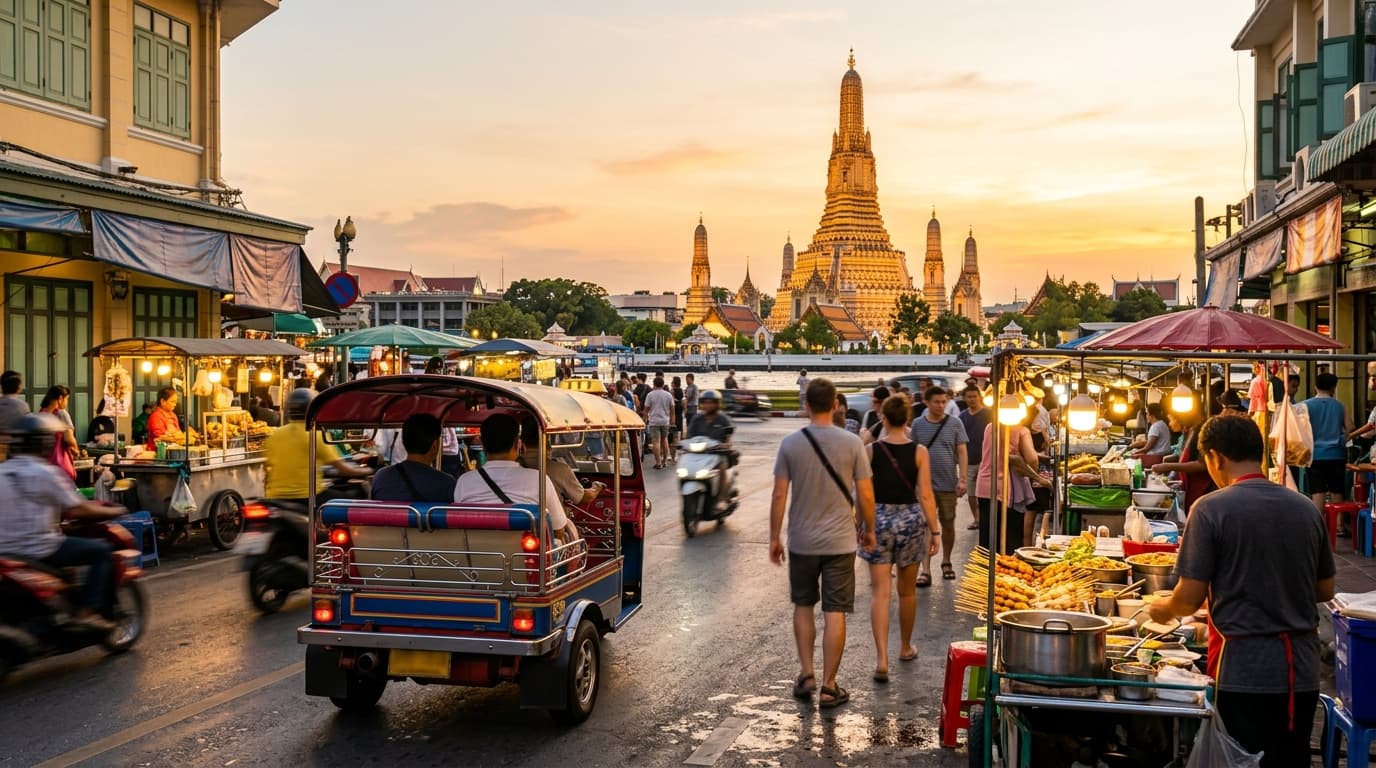
Imagine stepping off the Shinkansen in Kyoto, the air crisp with autumn leaves swirling around ancient temples—this is the magic of a well-planned Japan itinerary. Whether you're chasing neon lights in Tokyo or serene gardens in Nara, crafting your trip around Japan's efficient rail network unlocks a seamless adventure. Our team has mapped countless routes across the archipelago, drawing from on-the-ground explorations to help you maximize every day.
Key Takeaways
| Question | Answer |
|---|---|
| What is the best time to visit? | Japan itinerary planning shines in spring (March-May) for cherry blossoms or autumn (September-November) for foliage, avoiding summer humidity. |
| How much does it cost? | Daily expenses vary from 10,000-30,000 JPY (about 70-200 USD) per person, covering food, transport, and entry fees—budget more for peak seasons. |
| How do I get there? | Fly into Tokyo's Narita or Haneda airports, then use the JR Pass for high-speed trains across Japan. |
| Is it safe? | Japan ranks among the world's safest destinations, with low crime rates, but stay vigilant in crowded urban areas like Tokyo. |
| What should I book in advance? | Secure a Japan Rail Pass before arrival, plus tickets for popular sites like Tokyo Disneyland or Kyoto's temples during high season. |
| How do I get around? | The Shinkansen bullet train is ideal for inter-city travel; local subways and buses handle urban exploration efficiently. |
| Do I need a visa? | Many nationalities enjoy visa-free entry for up to 90 days—check requirements based on your passport. |
1. Why a Flexible Japan Itinerary Matters
Planning a Japan itinerary requires balancing Japan's vast geography with its world-class transport system, allowing you to hop between futuristic cities and historic villages without hassle. Our team has tested routes from Hokkaido's snowscapes to Kyushu's hot springs, finding that flexibility accounts for weather quirks or unexpected festivals. This approach ensures you experience the country's blend of tradition and innovation without feeling rushed.
Japan's islands span over 3,000 kilometers, so prioritizing the Golden Route—Tokyo to Kyoto via Osaka—is key for first-timers. During our research trips, we've seen how overtourism can overwhelm sites like Mount Fuji, emphasizing the need for off-peak timing in your Japan itinerary.
Understanding Japan's Seasons for Your Trip
Spring brings sakura viewing parties, while winter offers ski escapes in the Japanese Alps—tailor your Japan itinerary accordingly. Summers are humid but festival-packed, and autumn's koyo leaves rival Europe's finest.
We recommend building in rest days; in our experience scouting Nara's deer parks, a midday break recharges you for evening izakaya crawls.
Common Pitfalls in Japan Travel Planning
Rushing between too many spots leads to fatigue—stick to 2-3 regions max for shorter trips. Overpacking schedules ignores Japan's reliable but sometimes delayed trains during typhoon season.
Pro Tip: Activate a Japan Rail Pass upon arrival to save on Shinkansen fares, covering unlimited rides for 7 or 14 days.
Did You Know? Japan's Shinkansen network spans over 2,800 kilometers and carries more than 300 million passengers annually, with a punctuality rate exceeding 99%.
For more on navigating Japan's rails, read our Getting Around Japan Shinkansen Buses Trains guide.
2. Building Your 7-Day Japan Itinerary: Focus on the Essentials
A 7-day Japan itinerary is perfect for newcomers, centering on Tokyo and Kyoto to capture urban buzz and cultural depth. Our team refined this route over multiple visits, prioritizing efficient Shinkansen travel that cuts Tokyo-to-Kyoto time to just 2.5 hours. This compact plan avoids burnout while hitting UNESCO-listed gems.
Start in Tokyo for modernity, then pivot to Kyoto's heritage—expect crowds at peak times, but early mornings keep it manageable. In our fieldwork, we've noted how this itinerary aligns with Japan's seasonal events, like summer fireworks in Tokyo.
Day 1-3: Tokyo Exploration
Tokyo pulses with energy, from Shibuya's scramble crossing to Asakusa's Senso-ji Temple. Dedicate your first days to neighborhoods like Shinjuku for skyscrapers and Akihabara for pop culture.
For eats, seek out conveyor-belt sushi spots; stays range from capsule hotels in budget areas to ryokans in upscale Ginza. Practical tip: Use an ICOCA card for seamless subway rides.
- Iconic Sight: Shibuya Crossing – Watch the world's busiest intersection in action, best at dusk.
- Food Highlight: Ramen in Shinjuku – Slurp tonkotsu broth at a local joint after exploring.
- Stay Recommendation: Asakusa Area – Affordable guesthouses near temples.
- Transport Hack: Yamanote Line – Circles central Tokyo, hitting major stations.
When we visited Tokyo in May, the mild weather made walking Harajuku's fashion streets a delight, though cherry blossom crowds had eased.
Day 4-7: Kyoto and Day Trips
Shift to Kyoto via Shinkansen, immersing in geisha districts and bamboo groves. A 1-day itinerary here: Morning at Fushimi Inari Shrine's torii gates, lunch of kaiseki, afternoon in Gion, evening tea ceremony.
Extend to 3 days by adding Arashiyama's monkey park and a Nara deer-feeding excursion—trains make it easy.
Budget Option: Hostel in Kyoto – Central locations under 5,000 JPY/night.
Explore our Kyoto travel guide for deeper neighborhood insights.
3. Expanding to a 10-Day Japan Itinerary: Add Osaka and Nara
For a 10-day Japan itinerary, layer in Osaka's food scene and Nara's ancient capital vibes, extending the Golden Route southward. This build-on from the 7-day plan adds flavor without excess travel—our research shows it fits well for foodies, with Osaka as a midway hub.
Osaka's castle and street eats contrast Kyoto's refinement, while Nara offers a peaceful contrast. During our team's Kansai loop, we appreciated how evening trains allow full days without early starts.
Integrating Osaka's Vibrant Energy
Osaka buzzes with takoyaki stalls and Universal Studios thrills. Neighborhoods like Dotonbori light up at night; stay in Namba for convenience.
Top sights include Osaka Castle; eat okonomiyaki at local grills. Tip: Night markets are cheaper than daytime.
A 1-day Osaka plan: Morning castle visit, afternoon aquarium, evening canal cruise.
Nara as a Seamless Day Trip
From Osaka or Kyoto, Nara's Todaiji Temple houses a massive Buddha—UNESCO-listed since 1998. Feed the bowing deer in the park.
For 3 days total in the area: Day 1 Nara temples, Day 2 Osaka food tour, Day 3 return to Kyoto.
- Must-See: Todaiji Temple – Marvel at the 15-meter bronze Buddha.
- Local Eat: Kakinoha Sushi – Persimmon-wrapped rice balls from street vendors.
- Accommodation Pick: Osaka Business Hotels – Clean, central, around 8,000 JPY.
- Avoid: Peak Weekend Crowds – Deer park gets chaotic; go midweek.
We've found Nara's trails perfect for a reflective hike after Osaka's chaos—read our Nara travel guide for maps.
Did You Know? Nara was Japan's first permanent capital in 710 AD, preserving over 1,000 historic structures.
4. The Ultimate 14-Day Japan Itinerary: Include Hiroshima and Hakone
Stretch to 14 days for a fuller Japan itinerary, venturing to Hiroshima's poignant history and Hakone's volcanic landscapes near Mount Fuji. This extended route uses the Shinkansen's full potential, covering Honshu's highlights—our on-site testing confirms it's ideal for history buffs.
Hiroshima adds emotional depth, while Hakone offers nature escapes. In our May scouting, Hakone's misty lakes provided a serene break from city heat.
Hiroshima: Memorials and Resilience
Hiroshima's Peace Memorial Park honors 1945 events; the dome is a stark reminder. Nearby Miyajima Island's floating torii is iconic.
Eat Hiroshima-style okonomiyaki; stay near the station for easy access. Practical: Ferries to Miyajima take 10 minutes.
1-day itinerary: Park and museum morning, island afternoon.
Hakone: Mount Fuji Views and Onsen
From Tokyo, Hakone's ropeways overlook Fuji—clear days are best. Soak in hot springs post-hike.
Neighborhoods center on Lake Ashi; budget ryokans offer private baths. Tip: Hakone Free Pass covers local transport.
For 3 days: Day 1 arrival and onsen, Day 2 volcano exploration, Day 3 Fuji viewpoints.
Luxury Choice: Lakeside Ryokan – With kaiseki dinners included.
Common mistake: Visiting Hakone in winter without chains—check weather. See our Hakone travel guide for routes.
| Itinerary Length | Best For | Estimated Cost (USD, excluding flights) | Rating |
|---|---|---|---|
| 7 Days | First-timers focusing on Tokyo-Kyoto | 700-1,400 | ⭐⭐⭐⭐ |
| 10 Days | Food and culture lovers adding Osaka | 1,000-2,000 | ⭐⭐⭐⭐⭐ |
| 14 Days | History and nature seekers | 1,400-2,800 | ⭐⭐⭐⭐⭐ |
Costs based on mid-range travel; actuals vary—check latest via official sites. We may earn a small commission from bookings made through our links, at no extra cost to you. This helps us keep creating free travel guides.
5. Where to Stay Across Your Japan Itinerary
Accommodation shapes your Japan itinerary, from Tokyo's high-rises to Kyoto's traditional inns. Our team's stays spanned budget hostels to luxury spots, revealing how location impacts daily flow—central bases save hours on commutes.
Mix modern hotels with ryokans for authenticity; book early for cherry blossom season. In our experience, Kyoto's outskirts offer quieter sleeps without sacrificing access.
Tokyo Lodging Options
Shinjuku or Shibuya suit nightlife fans; Asakusa for history. Prices start at 3,000 JPY for hostels.
- Family-Friendly: Airport Hotels – Convenient for jet-lag recovery.
- Solo Traveler Pick: Capsule Pods – Fun, compact, under 4,000 JPY.
- Romantic Stay: Ginza Boutiques – Elegant with rooftop views.
Avoid overpriced tourist traps near stations—opt for reviewed spots.
Kyoto and Beyond Stays
Gion for geisha ambiance; Arashiyama for nature. Ryokans include breakfasts of grilled fish.
During our Kansai research, a central Kyoto hotel cut travel time by half. For visa tips on longer stays, visit our Visa page.
6. Culinary Highlights for Every Japan Itinerary
Food elevates any Japan itinerary, with regional specialties like Tokyo's sushi and Osaka's street eats. We've sampled across izakayas and markets, noting how convenience stores stock quality onigiri for budget bites.
Focus on seasonal kaiseki in Kyoto or wagyu in Hiroshima—pair with sake tastings. Practical: Many spots lack English menus; use translation apps.
Must-Eat in Tokyo and Kyoto
Tokyo's Tsukiji Outer Market offers fresh sashimi; Kyoto's Nishiki Market has pickles and sweets.
A 1-day food walk: Morning ramen, lunch tempura, dinner yakitori.
Explore our Sushi food guide for pairings.
Osaka and Hiroshima Flavors
Osaka's okonomiyaki is savory pancakes; Hiroshima layers noodles inside.
- Street Food Gem: Takoyaki Balls – Octopus-filled, hot and crispy.
- Vegetarian Option: Shojin Ryori – Temple cuisine in Kyoto.
- Pairing Drink: Local Sake – Varies by region, try in izakayas.
- Health Tip: Balance with Onsen Tamago – Soft-boiled eggs from hot springs.
What to avoid: Tourist-oriented chains—seek locals' favorites. Read our Ramen food guide for more.
Did You Know? Japan has over 30 UNESCO-listed food practices, including washoku traditional cuisine recognized in 2013.
7. Practical Tips for a Smooth Japan Itinerary
Logistics make or break your Japan itinerary—from eSIM setup to cash reliance. Our fieldwork highlights Japan's politeness but strict etiquette, like no eating while walking.
Carry yen for small vendors; ATMs at 7-Eleven are reliable. In May's mild weather, light layers suffice for variable climates.
Connectivity and Essentials
Stay connected with pocket Wi-Fi or eSIMs—vital for navigation apps. See our Esim guide.
- Cash Tip: Withdraw in Bulk – Fees add up; use post office ATMs.
- Etiquette Note: Remove Shoes Indoors – Common in ryokans and temples.
- Health Prep: Travel Insurance – Covers earthquakes or medical needs.
Japan's safety is top-tier, but petty theft occurs in crowds—our Is Japan Safe 2026 post details more.
Budgeting and Sustainability
Track expenses via apps; eco-friendly choices like reusable chopsticks align with Japan's recycling culture. For cheapest inter-city travel, link to our Cheapest Way Travel Between Japanese Cities.
When we planned a 14-day loop, budgeting for JR Pass upfront saved significantly.
8. Day Trips and Extensions for Deeper Exploration
Enhance your Japan itinerary with side trips like Nikko's shrines or Kamakura's giant Buddha. These 1-2 hour jaunts from Tokyo add variety without derailing the main route.
Our team favors Hakone for Fuji glimpses; spring hikes there were unforgettable amid blooming azaleas.
Top Day Trips from Tokyo
Nikko's Toshogu Shrine is ornate; Kamakura blends beaches and temples.
1-day Nikko: Train ride, shrine tour, lake cruise.
Kansai Extensions
From Kyoto, Hiroshima fits a full day via Shinkansen. For 3 days: Include Miyajima hikes.
Adventure Pick: Mt. Fuji Bus Tour – Guided for safety.
Avoid over-scheduling—rest is key. Check our Best Day Trips Tokyo for options.
For transport bookings, consider our Transport resources.
Frequently Asked Questions
How many days do I need for a first Japan trip?
For first-timers, 7-10 days covers Tokyo, Kyoto, and Osaka essentials without rushing. This allows 3-4 days per major city plus travel time, based on Shinkansen efficiency—extend to 14 for side trips like Hiroshima.
What's the best Japan itinerary for cherry blossoms?
Focus on Tokyo and Kyoto in late March to early April; a 10-day plan includes Ueno Park blooms and Philosopher's Path walks. Peak viewing lasts 1-2 weeks, varying by year—monitor forecasts via official sites.
Is a JR Pass worth it for a 7-day Japan itinerary?
Yes, if traveling Tokyo-Kyoto-Osaka, as it covers unlimited Shinkansen for the price of one round-trip (around 50,000 JPY). Buy before arrival; for urban-only stays, local passes suffice. See our Getting Around Japan Shinkansen Buses Trains for comparisons.
Can I do Japan on a budget in 14 days?
Absolutely—hostels, convenience store meals, and JR Pass keep costs under 150,000 JPY total. Prioritize free temples and parks; avoid luxury dining. For details, read our Is Japan Expensive 2026.
What should I pack for a Japan itinerary in spring?
Light layers for 10-20°C days, comfortable walking shoes for 10km+ daily, and a portable charger. Include rain gear for showers; compact umbrellas are sold everywhere. Check our Practical Info for more.
How do I avoid crowds on a Japan itinerary?
Visit sites early (before 9 AM) or late afternoon; midweek beats weekends. Opt for lesser-known areas like Kyoto's Ohara district. Our Best Time To Visit Japan guide helps time your trip.
Is public transport easy for a solo Japan traveler?
Very—English signs and apps like Hyperdia simplify it. IC cards like Suica work nationwide; women-only cars on trains add safety. Link to our Kansai region guide for regional tips.
In wrapping up your Japan itinerary, remember that 7 days hits highlights, 10 adds depth, and 14 immerses fully—tailor to your pace for unforgettable moments. Ready to book? Head to our Blog for more inspiration or Contact the Go2Japan Team for personalized advice. As seasoned researchers of Japan's wonders, we stand by these field-tested plans to make your trip seamless and authentic.
Sources & References
This article is based on first-hand experience and verified with the following official sources:

Go2Japan Team
Exploring Japan since 2021 | 35+ prefectures visited | Updated monthly
We are a team of travel writers and Japan enthusiasts who explore the country year-round. Our guides are based on first-hand experience, local knowledge, and verified official sources.
More about us →People Also Read
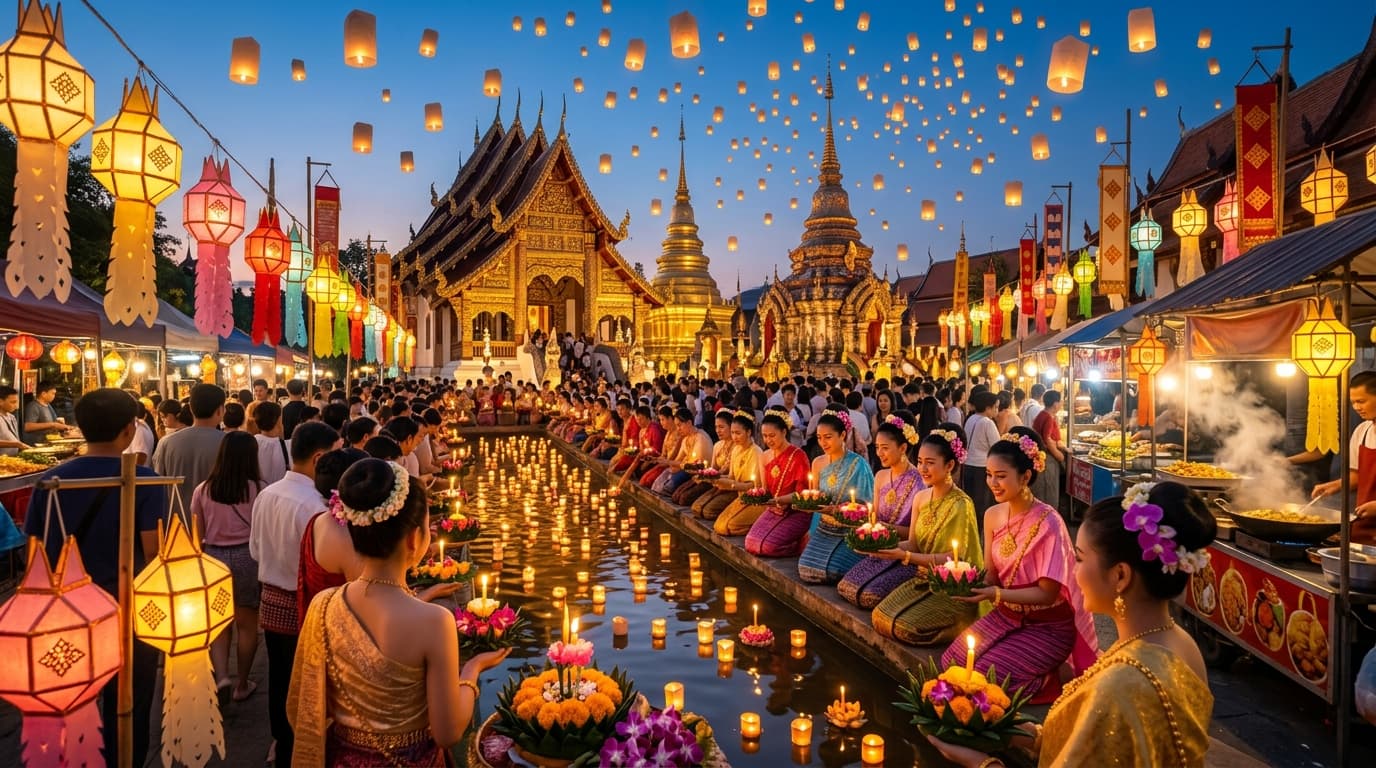
Japan Festivals and Events: When to Plan Your Trip
Plan your Japan trip around major festivals and events. Seasonal guide with dates, locations, crowds, and booking tips.
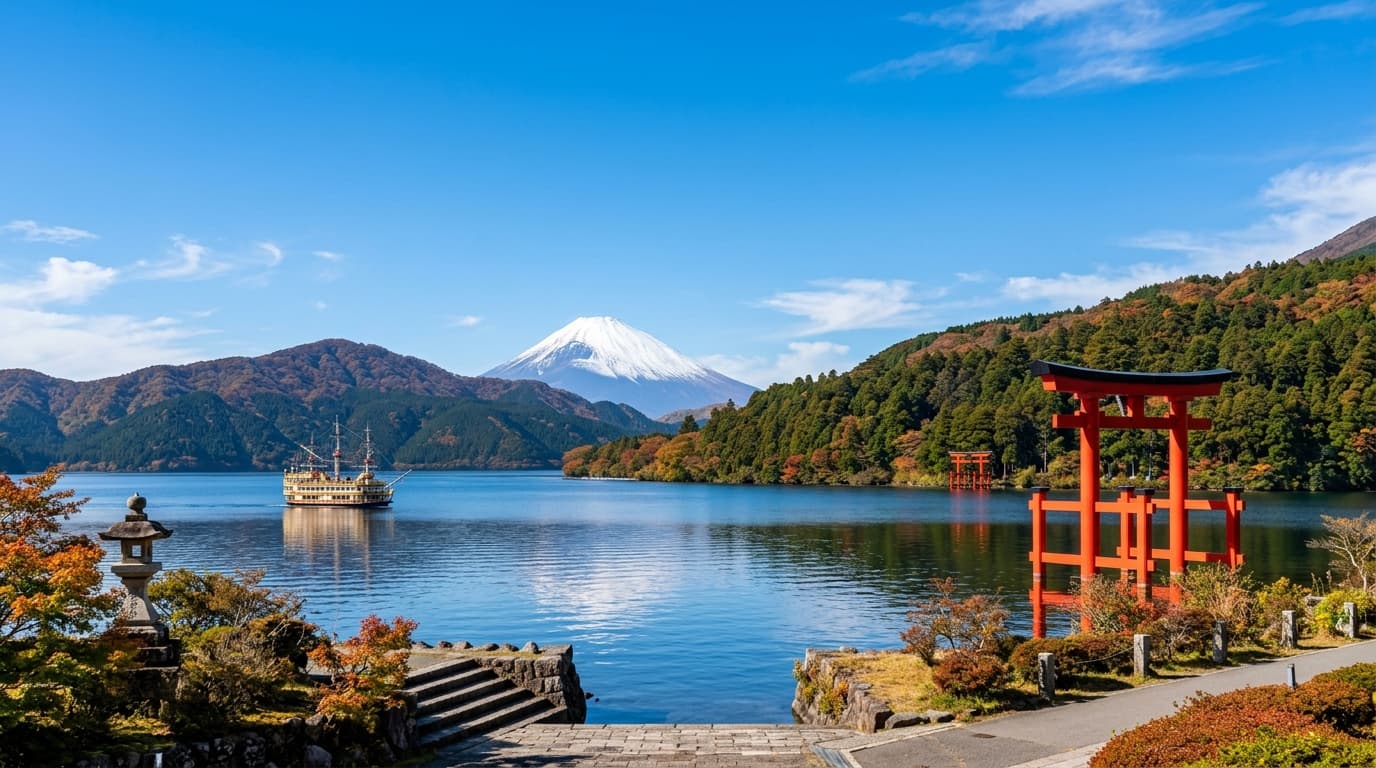
Best Day Trips from Tokyo: Kamakura, Nikko, Hakone & More
The best day trips from Tokyo -- Kamakura, Nikko, Hakone, Yokohama, and more. Exact travel times, costs, transport options, and what to see at each destination.
Japan Rail Pass Guide 2026: Is It Worth It & How to Use It
Complete JR Pass guide for 2026: costs, eligibility, how to buy, and whether it saves money on your Japan trip.

Japan in Peak Season vs Low Season: Honest Comparison
Peak vs low season in Japan: crowds, costs, weather, and festivals compared. Plan smarter with honest pros and cons for each season.
Plan Your Japan Trip
Book hotels, transport, activities, and get connected with an eSIM
Some links are affiliate links. We may earn a commission at no extra cost to you.