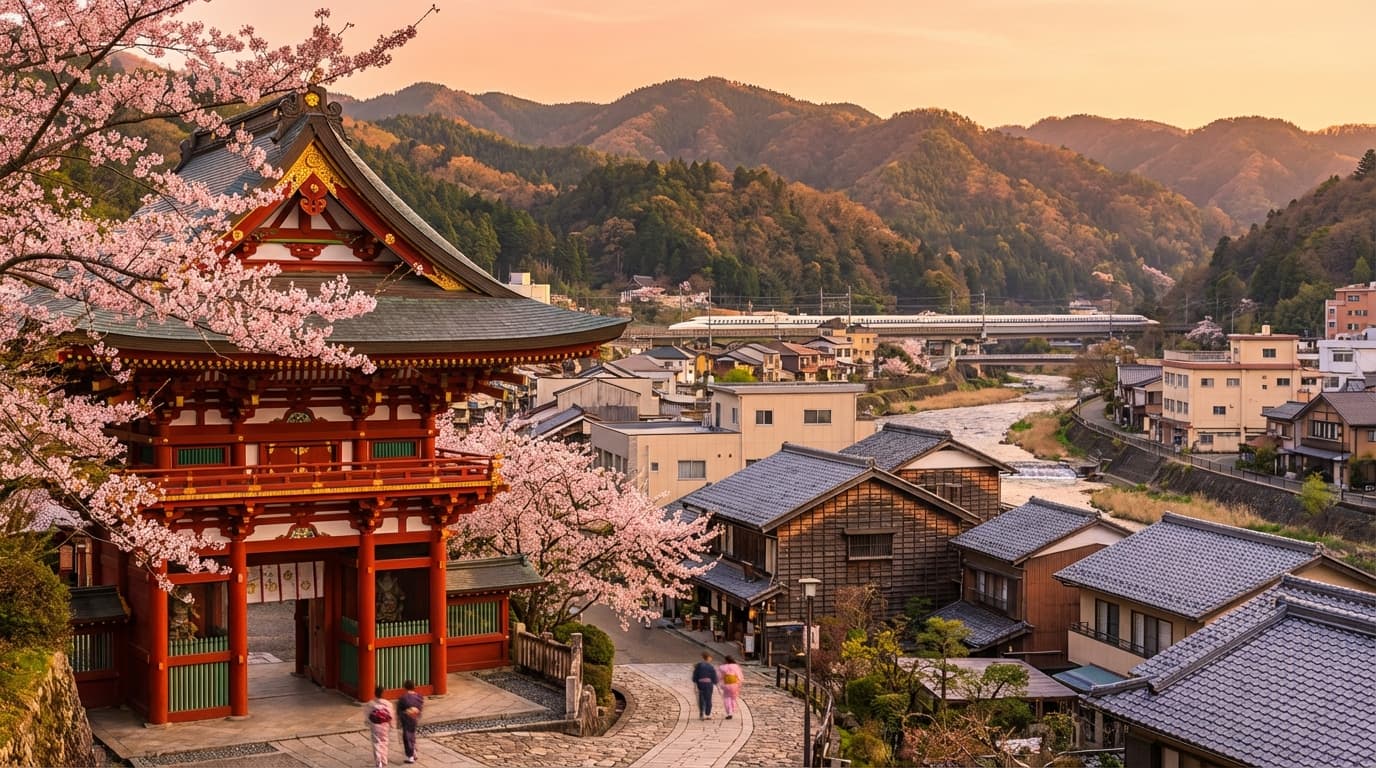
Nikko Travel Guide: Japan's Ornate Mountain Shrine Town
Nestled 140 kilometers north of Tokyo, Nikko is a mountain shrine town that feels like stepping into Japan's spiritual heart. With its UNESCO-listed temples, dramatic waterfalls, and crimson autumn foliage, Nikko draws nearly 11 million visitors annually—yet many rush through in a single day, missing the town's quieter magic.
Key Takeaways
| Question | Answer |
|---|---|
| What is the best time to visit? | April-May (spring) and October-November (autumn foliage). Avoid summer crowds and winter snow closures. |
| How much does it cost? | Budget ¥3,000–5,000 ($20–35 USD) per day for food and shrine entries; accommodation ¥8,000–25,000 ($55–170 USD) per night. |
| How do I get there? | Train from Tokyo: Tobu Railway (120 minutes, ~¥2,700) or JR (180 minutes, ~¥5,000). |
| Is it safe? | Extremely safe. Nikko is a well-established tourist destination with excellent infrastructure. |
| What should I book in advance? | Accommodation during peak seasons (April-May, October-November); day trips from Tokyo don't require advance booking. |
| What language is spoken? | Japanese primarily. English signage at major shrines and stations; carry a translation app. |
| How long should I stay? | 1 day minimum (shrines only); 2-3 days to explore hiking, lakes, and hot springs. |
1. Understanding Nikko: History and Significance
Nikko (日光, meaning "sunlight") has been a sacred pilgrimage site since the 8th century, when Buddhist monk Shodo Shonin established the first temple here. The town's prominence exploded in the 17th century when the Tokugawa shogunate built the elaborate Toshogu Shrine to enshrine Tokugawa Ieyasu, the founder of the Edo period. Today, Nikko's shrines and temples are collectively designated as a UNESCO World Heritage Site, attracting scholars, pilgrims, and tourists seeking both spiritual renewal and architectural splendor.
When we visited during late October, the town's ornate vermillion gates and intricate wood carvings were framed by blazing maple trees—a sight that justified the crowds. The area's spiritual significance runs deep: locals and visitors alike come to experience the intersection of nature and craftsmanship that defines Japanese aesthetics. Understanding this history enriches every temple visit and mountain walk.
The UNESCO World Heritage Shrines and Temples
Nikko's three major shrine complexes—Toshogu, Futarasan, and Rinnoji—collectively form one of Japan's most important religious sites. Toshogu Shrine, completed in 1636, is the most ornate, featuring 5,000 hand-carved decorative elements and intricate lacquerwork. Futarasan Shrine, founded in 782, predates Toshogu by centuries and offers a more austere, contemplative atmosphere. Rinnoji Temple, also ancient, houses Buddhist statuary and provides a quieter alternative to the busier Toshogu complex.
The architectural craftsmanship is staggering—master carvers from across Japan contributed to these structures, and their work remains largely unchanged. When we explored the shrines in early morning light, before tour groups arrived, the spiritual atmosphere was palpable.
Seasonal Significance and Natural Beauty
Nikko's appeal shifts dramatically with the seasons. Spring (late April-May) brings cherry blossoms and mild temperatures; autumn (October-November) transforms the landscape into a palette of crimson, gold, and amber. The town sits at the gateway to Chuzenji Lake and the Nikko National Park, offering hiking trails that range from easy walks to challenging alpine routes. Summer brings lush greenery but also crowds and humidity; winter can close mountain roads and hiking trails.
Did You Know? Nikko's autumn foliage attracts approximately 2 million visitors annually during peak season (mid-October to early November), making it one of Japan's most visited natural phenomena.
2. Getting to Nikko from Tokyo
Nikko is one of Japan's most accessible mountain towns, located just 140 kilometers north of Tokyo. The journey itself is part of the experience—the train ride climbs gradually from the Kanto Plain into forested mountains, and the landscape shift signals your arrival in a different Japan.
Train Options: Tobu Railway vs. JR
The Tobu Railway is the most direct and economical option. The Tobu Nikko Line departs from Tobu Asakusa Station (in central Tokyo) and reaches Nikko Station in approximately 120 minutes, with fares around ¥2,700 ($18 USD) for a standard reserved seat. This route is popular with tourists and offers comfortable seating and views of the transition from urban to rural landscape.
Alternatively, the JR route (Shinjuku Station to Nikko via JR lines) takes about 180 minutes and costs approximately ¥5,000 ($35 USD), but offers greater flexibility if you're traveling from other parts of Tokyo or connecting to the Kanto region. During our last visit, we took the Tobu line and found it efficient and straightforward—English signage is clear, and staff are accustomed to foreign travelers.
- Fastest Option: Tobu Railway Nikko Line (120 minutes, ¥2,700)
- Most Flexible: JR Limited Express (180 minutes, ¥5,000)
- Budget Consideration: Tobu offers a 4-day pass (¥4,520) if combining Nikko with other Tobu destinations
- Luggage Tip: Most travelers leave large bags at Tokyo hotels or use coin lockers at Nikko Station (¥500–700 per day)
3. Neighborhoods and Layout
Nikko's town center is compact and walkable, organized around the train station and shrine complexes. Understanding the geography helps you navigate efficiently and discover quieter pockets away from the main tourist flows.
Shinkyo Bridge and Shrine District
The iconic Shinkyo Bridge (Sacred Bridge), a vermillion arched bridge built in 1648, marks the spiritual entrance to Nikko's shrine district. This UNESCO-listed structure is perhaps Japan's most photographed bridge, and for good reason—its reflection in the Daiya River is stunning. The bridge is reserved for official shrine processions, but visitors can walk alongside it on the approach to Toshogu Shrine.
Beyond the bridge lies the main shrine complex, a 10-minute walk uphill through forested paths. This area is the most crowded but also the most essential—Toshogu Shrine, Futarasan Shrine, and Rinnoji Temple are all concentrated here. During peak season, arrive by 8 AM to beat the crowds, or visit after 4 PM when tour groups depart.
Chuzenji Lake and Yumoto Hot Springs
Chuzenji Lake, located 25 kilometers uphill from Nikko town center, is a serene alpine lake surrounded by mountains and accessible by bus (45 minutes, ¥1,500). The lake offers hiking trails, scenic viewpoints, and the famous Kegon Waterfall, which plunges 97 meters into the lake. This area is quieter than the shrine district and ideal for nature lovers.
Yumoto Hot Springs, further up the mountain, is Japan's highest hot spring resort (1,390 meters elevation) and offers onsen (hot spring) experiences with mountain views. The journey from Nikko town takes about 90 minutes by bus, making it a full-day excursion or overnight stay.
4. Top Sights and Attractions
Toshogu Shrine: The Ornate Masterpiece
Toshogu Shrine is Nikko's crown jewel—a baroque explosion of lacquer, gold leaf, and hand-carved details that took 15 years and countless artisans to complete. The shrine complex includes the famous "sleeping cat" carving (Nemuri Neko), a serene wooden sculpture that has become a symbol of Nikko. The main sanctuary requires climbing 200+ stone steps through a cryptomeria (Japanese cedar) forest, a walk that feels increasingly sacred as you ascend.
Admission is ¥1,300 ($9 USD) for adults. When we visited in October, the autumn light filtering through the ancient cedars created an almost ethereal atmosphere. The shrine is most peaceful in early morning or late afternoon; midday brings overwhelming crowds.
Futarasan Shrine and the Thousand-Year Cryptomeria Forest
Futarasan Shrine, founded in 782, predates Toshogu by nearly a millennium and offers a more understated, meditative experience. The shrine is dedicated to the sacred mountains surrounding Nikko and features a peaceful forest setting. The approach is lined with massive cryptomeria trees, some over 1,000 years old, creating a natural cathedral that rivals any architectural achievement.
Admission is ¥200 ($1.50 USD), making it one of Japan's most affordable shrine experiences. In our experience, this shrine is often overlooked by day-trippers focused on Toshogu, making it an ideal spot for quiet reflection.
Rinnoji Temple and the Sanbutsudo Hall
Rinnoji Temple, also ancient, houses the Sanbutsudo Hall, which contains three large gilded Buddhist statues representing the sacred mountains of Nikko. The temple's main hall is undergoing restoration (check current status before visiting), but the grounds remain accessible and peaceful. The temple offers a Buddhist perspective that contrasts with the Shinto-focused Toshogu and Futarasan shrines.
Admission is ¥600 ($4 USD). The temple's treasure house displays Buddhist art and artifacts, providing cultural context for Nikko's religious significance.
Kegon Waterfall and Chuzenji Lake
Kegon Waterfall, Japan's most famous waterfall, plunges 97 meters from Chuzenji Lake into a misty gorge. The waterfall is accessible via a 100-yen elevator descent into an observation tunnel, offering an intimate perspective of the falling water. The surrounding landscape is dramatic—steep cliffs, dense forest, and the sound of rushing water create a sensory experience that photographs cannot capture.
The lake itself is ideal for hiking. The Chuzenji Lake Circuit Trail (approximately 8 kilometers, 2-3 hours) offers moderate difficulty and passes through forest, along the shoreline, and near several smaller shrines. During our autumn visit, the reflection of crimson foliage in the lake's calm water was unforgettable.
5. Where to Eat: Local Cuisine and Dining
Nikko's food scene reflects its mountain location and spiritual heritage. Local specialties include yuba (tofu skin), soba (buckwheat noodles), and freshwater fish from mountain streams. Many restaurants cluster near the train station and shrine district, with prices ranging from budget-friendly (¥800–1,500) to upscale (¥3,000–8,000 per person).
Traditional Yuba and Vegetarian Cuisine
Yuba, a delicate tofu skin created by heating soy milk, is Nikko's signature dish. The ingredient was traditionally prepared by Buddhist monks and remains associated with temple cuisine. Restaurants serving yuba range from casual to haute cuisine, but even simple preparations showcase the ingredient's subtle flavor and silky texture.
Many yuba restaurants offer shojin ryori (Buddhist vegetarian cuisine), a refined cooking style developed in temples. These multi-course meals are artistic and deeply satisfying, typically costing ¥3,000–6,000 ($20–40 USD) per person. During our visit, we enjoyed a yuba kaiseki meal at a small restaurant near Futarasan Shrine—the chef's attention to seasonal ingredients and presentation elevated simple vegetables into something transcendent.
- Budget Option: Yuba donburi (rice bowl with yuba) at casual restaurants, ¥1,200–1,800
- Mid-Range: Yuba kaiseki course, ¥3,500–5,000
- Splurge: High-end temple cuisine at established restaurants, ¥6,000–10,000
Soba and Mountain Comfort Food
Soba (buckwheat noodles) is ubiquitous in mountain towns, and Nikko's soba is excellent. Local variations include nikki soba (served with local vegetables) and tororo soba (topped with grated mountain yam). A simple soba meal costs ¥800–1,500 and is perfect for a quick lunch between shrine visits.
Nikko also offers trout and char (iwana) from mountain streams, typically grilled whole or served as sashimi. These freshwater fish are delicate and prized by locals. Expect to pay ¥2,000–4,000 for a grilled fish meal.
Cafes and Casual Dining
The area around Nikko Station and the shrine district has numerous casual cafes and restaurants. Many serve matcha (green tea) and traditional sweets—try mochi (rice cakes) filled with local ingredients like chestnut or red bean. A matcha and mochi set typically costs ¥800–1,200.
Did You Know? Nikko's yuba tradition dates back over 1,200 years to when Buddhist monks first settled in the area. The ingredient remains so central to local identity that Nikko is sometimes called the "yuba capital of Japan."
6. Where to Stay: Accommodation Options
Nikko offers accommodation ranging from budget guesthouses to luxury ryokan (traditional inns). Most visitors stay in town near the train station or shrine district; others prefer the quieter Chuzenji Lake area or Yumoto Hot Springs for an overnight retreat.
Ryokan and Hot Spring Resorts
Ryokan (traditional Japanese inns) are the quintessential Nikko experience. Many feature private or shared onsen (hot spring baths) and multi-course dinners featuring local ingredients like yuba and mountain vegetables. Ryokan typically range from ¥12,000–30,000 ($80–200 USD) per person per night, including dinner and breakfast.
In Nikko town, several ryokan offer easy access to shrines while maintaining traditional atmosphere. At Yumoto Hot Springs, luxury ryokan with mountain views and kaiseki cuisine command higher prices (¥20,000–50,000 / $135–335 USD) but offer an immersive experience. During our stay at a mid-range ryokan, the evening meal featured seven courses of yuba, mountain vegetables, and local fish—a culinary highlight of our trip.
Business Hotels and Budget Options
**Business hotels** near Nikko Station offer clean, functional rooms at ¥8,000–15,000 ($55–100 USD) per night. These are ideal for travelers on a tight budget or those planning a quick day trip. Amenities are basic but adequate—most include small private bathrooms and TVs.
Guesthouses and hostels provide budget alternatives at ¥4,000–8,000 ($27–55 USD) per night. These are less common in Nikko than in urban areas, but a few operate near the station. Hostels often provide communal kitchens and social spaces, making them good for solo travelers.
Seasonal Pricing and Booking
Accommodation prices spike during peak seasons (late April-May and October-November), when rooms book weeks in advance. Summer and winter offer lower rates and greater availability but come with crowds (summer) or weather challenges (winter). Spring and autumn weekends are particularly competitive—book at least 2-3 weeks ahead if traveling during these periods.
7. Practical Information and Getting Around
Transportation Within Nikko
Buses are the primary transport within Nikko. The Nikko Bus Company operates frequent services from Nikko Station to the shrine district (10 minutes, ¥200), Chuzenji Lake (45 minutes, ¥1,500), and Yumoto Hot Springs (90 minutes, ¥2,700). A day pass (¥2,000) is economical if making multiple trips.
Walking is feasible for the shrine district—the main temples and shrines are within a 2-3 kilometer radius and connected by forest paths. However, the paths are hilly and can be muddy after rain. Comfortable walking shoes are essential.
Taxis are available but expensive (¥2,000–5,000 for short trips). Use them only if mobility is limited or you're in a group splitting costs.
Money and Payments
Cash is still king in Nikko. While major hotels and some restaurants accept credit cards, many smaller establishments, shrines, and bus services require yen. ATMs are available at the train station and convenience stores (7-Eleven, FamilyMart), but it's wise to withdraw cash in Tokyo before arriving.
Shrine and temple entries typically cost ¥200–1,300 per site. A combined ticket for Toshogu, Futarasan, and Rinnoji costs approximately ¥2,100 ($14 USD)—better value than buying individual tickets.
Language and Communication
English signage is present at major shrines, the train station, and tourist information centers. However, English-speaking staff is not guaranteed at smaller restaurants or shops. Download a translation app (Google Translate, DeepL) and carry a pocket WiFi device or activate an eSIM for mobile data.
The Nikko Tourist Information Center, located outside Nikko Station, provides English-language maps and assistance. Staff can help with accommodation bookings and hiking trail recommendations.
Weather and What to Pack
Spring (April-May): Mild (10–20°C), occasional rain. Pack layers and a light rain jacket.
Summer (June-August): Warm and humid (20–28°C), frequent rain. Bring moisture-wicking clothes and an umbrella.
Autumn (September-November): Cool (5–20°C), generally dry. Pack layers; mornings and evenings can be chilly.
Winter (December-March): Cold (−5 to 5°C), mountain roads may close due to snow. Check conditions before visiting; many hiking trails are inaccessible.
Comfortable walking shoes are essential year-round. The shrine district involves significant uphill walking, and forest paths can be uneven.
8. Day Trip Itinerary: Nikko in 24 Hours
This itinerary assumes you're traveling from Tokyo and returning the same day, or staying one night.
8:00 AM – Depart Tokyo via Tobu Railway from Asakusa Station. Arrive Nikko Station around 10:00 AM.
10:30 AM – Visit the Nikko Tourist Information Center and grab a map. Walk to Shinkyo Bridge (10 minutes) and photograph it from multiple angles.
11:00 AM – Enter the shrine district and begin climbing toward Toshogu Shrine. The forest walk is beautiful and less crowded than the main paths.
12:00 PM – Explore Toshogu Shrine thoroughly. Allow 1.5–2 hours to see the main sanctuary, the sleeping cat carving, and the treasure house.
1:30 PM – Lunch at a nearby yuba or soba restaurant. Budget 1 hour.
2:30 PM – Visit Futarasan Shrine (15-minute walk from Toshogu). Spend 45 minutes exploring the ancient forest and peaceful grounds.
3:30 PM – Walk to Rinnoji Temple (10 minutes) and explore the Sanbutsudo Hall and grounds. Budget 45 minutes.
4:15 PM – Descend toward the town center. Stop at a cafe for matcha and mochi.
5:00 PM – Return to Nikko Station or head to your accommodation. If staying overnight, check in and relax at the onsen.
Evening – Dinner at a ryokan or local restaurant. Evening strolls through the town are peaceful and atmospheric.
Return to Tokyo – Depart via Tobu Railway (120 minutes) or stay overnight and depart the next morning.
9. Three-Day Itinerary: Deep Dive into Nikko
Day 1: Shrines and Town Exploration
- Morning: Arrive via Tobu Railway. Visit Shinkyo Bridge and begin shrine exploration.
- Midday: Lunch and explore Toshogu, Futarasan, and Rinnoji temples thoroughly.
- Afternoon: Stroll through town, visit local shops, and explore the cryptomeria forest.
- Evening: Check into a ryokan and enjoy a multi-course dinner featuring yuba and local ingredients.
Day 2: Chuzenji Lake and Kegon Waterfall
- Morning: Take a bus to Chuzenji Lake (45 minutes, ¥1,500). Explore the lake's scenic viewpoints.
- Midday: Visit Kegon Waterfall and descend into the observation tunnel. Lunch at a lakeside restaurant.
- Afternoon: Hike the Chuzenji Lake Circuit Trail (8 kilometers, 2-3 hours) or visit nearby shrines like Nikko Futarasan Shrine (located on the lake).
- Evening: Return to Nikko town or stay at a lakeside ryokan.
Day 3: Yumoto Hot Springs and Hiking
- Morning: Take a bus to Yumoto Hot Springs (90 minutes, ¥2,700). Soak in the onsen and explore the alpine environment.
- Midday: Lunch at a local restaurant. Hike one of the moderate trails in the area (e.g., Yunotaira Trail, 5 kilometers, 1.5 hours).
- Afternoon: Return to Nikko town or depart for Tokyo via train.
This itinerary balances shrine exploration, nature, and relaxation—the three pillars of a Nikko experience.
10. Insider Tips and Avoiding Tourist Traps
Best Times to Visit Specific Sites
Toshogu Shrine is most peaceful before 8:30 AM or after 4:00 PM. Midday (10 AM–3 PM) brings overwhelming crowds, especially during peak seasons. If you can only visit during midday, go on a weekday rather than a weekend.
Futarasan Shrine and Rinnoji Temple are consistently quieter than Toshogu, even during peak season. These are excellent alternatives if you prefer a more meditative experience.
Chuzenji Lake is less crowded on weekdays and in early morning. Avoid weekends during autumn foliage season, when traffic and crowds are heaviest.
Avoiding Overpriced Tourist Restaurants
Many restaurants near the shrine district charge inflated prices for mediocre food. Look for smaller, local establishments away from the main tourist paths. Ask your ryokan or the tourist information center for recommendations—locals know the best value spots.
Hiking Safety and Trail Conditions
Mountain trails around Nikko can be steep and muddy. Always check current conditions at the tourist information center before setting out. Carry plenty of water, wear appropriate footwear, and bring a map or GPS device. Winter and early spring trails may be closed due to snow or ice.
Did You Know? Nikko's cryptomeria (Japanese cedar) forest is one of the world's largest planted forests, with over 400,000 trees planted during the Edo period as a tribute to Tokugawa Ieyasu. Many trees are over 300 years old.
Source: Nikko City Official Tourism
Booking Accommodations and Activities
During peak seasons (April-May and October-November), book accommodation at least 2-3 weeks in advance. Popular ryokan fill quickly, and prices increase by 20-30% during these periods.
Shrine entries and hiking don't require advance booking, but arriving early (before 8:30 AM) ensures a better experience with fewer crowds. Public buses operate on fixed schedules, so plan your day around bus departure times.
Frequently Asked Questions
Is one day enough to see Nikko?
Yes, a full day allows you to visit the main shrines (Toshogu, Futarasan, Rinnoji), walk through the cryptomeria forest, and experience the town's atmosphere. However, 2-3 days is ideal if you want to explore Chuzenji Lake, hike, or visit Yumoto Hot Springs without rushing.
What's the best time to visit Nikko?
Autumn (October-November) offers stunning foliage and mild weather but brings crowds and higher prices. Spring (April-May) features cherry blossoms and pleasant temperatures. Summer is warm but humid and crowded. Winter offers solitude but may close mountain roads. We recommend late April-May or early October for the best balance of weather, crowds, and scenery.
Can I visit Nikko as a day trip from Tokyo?
Absolutely. The Tobu Railway takes 120 minutes from central Tokyo, making Nikko accessible for a full-day visit. Many travelers do exactly this, though staying overnight allows for a more relaxed pace and access to hot springs.
How much should I budget for a Nikko visit?
For a day trip from Tokyo: ¥5,500–7,000 ($37–47 USD) for train fare and shrine entries, plus ¥2,000–4,000 ($13–27 USD) for meals. For an overnight stay: add ¥8,000–25,000 ($55–170 USD) for accommodation. Budget-conscious travelers can keep daily costs to ¥3,000–4,000 ($20–27 USD) by eating at casual restaurants and visiting free areas like the cryptomeria forest.
Are the shrines accessible for people with mobility issues?
Toshogu Shrine involves climbing 200+ stone steps, making it challenging for those with mobility limitations. Futarasan Shrine and Rinnoji Temple have more accessible approaches, though some paths are uneven. Chuzenji Lake and Kegon Waterfall are more accessible—the waterfall observation tunnel is reached by elevator. Contact the tourist information center for specific accessibility information.
What should I bring to Nikko?
Comfortable walking shoes (essential), layers for temperature changes, a light rain jacket, sunscreen, and a water bottle. During autumn, bring a camera for foliage photography. In winter, bring warm clothing and check road conditions before traveling.
Conclusion
Nikko is far more than a quick shrine visit—it's a destination where Japan's spiritual heritage, architectural mastery, and natural beauty converge. Whether you spend a day exploring the ornate temples, a weekend hiking mountain trails, or a week soaking in hot springs, Nikko rewards curiosity and patience.
The town's UNESCO-listed shrines represent centuries of Japanese craftsmanship and devotion. The surrounding mountains offer solitude and stunning scenery. The local cuisine—yuba, soba, mountain fish—connects you to the land and its traditions. Most importantly, Nikko invites you to slow down, to walk forest paths in silence, and to experience Japan beyond the urban rush.
For more inspiration on exploring Japan's regions, check out our comprehensive Japan travel guide, or explore other mountain destinations in the Chubu-Tohoku region.
Ready to book your Nikko adventure? Start by checking train schedules and accommodation availability, then let the mountain town's ancient temples and autumn colors guide your journey.
The Go2Japan Team has explored Japan extensively, from Tokyo's bustling streets to remote mountain villages. We write from genuine experience, not guidebooks. Every recommendation reflects our firsthand knowledge and commitment to helping you discover Japan authentically.
Sources & References
This article is based on first-hand experience and verified with the following official sources:

Go2Japan Team
Exploring Japan since 2021 | 35+ prefectures visited | Updated monthly
We are a team of travel writers and Japan enthusiasts who explore the country year-round. Our guides are based on first-hand experience, local knowledge, and verified official sources.
More about us →People Also Read
Best Day Trips from Tokyo: Kamakura, Nikko, Hakone & More
The best day trips from Tokyo -- Kamakura, Nikko, Hakone, Yokohama, and more. Exact travel times, costs, transport options, and what to see at each destination.
Best Temple and Shrine Walks in Kyoto: Complete Guide to Sacred Routes
Discover Kyoto's best temple and shrine walks. Expert routes, costs, booking tips, and insider recommendations from local travel writers.
Kyoto Temple Guide: 15 Must-Visit Temples & Shrines
Guide to Kyoto's 15 best temples and shrines. Includes Fushimi Inari, Kinkaku-ji, Kiyomizu-dera, tips on etiquette, timing, and suggested itineraries.

Japan in Peak Season vs Low Season: Honest Comparison
Peak vs low season in Japan: crowds, costs, weather, and festivals compared. Plan smarter with honest pros and cons for each season.
Plan Your Japan Trip
Book hotels, transport, activities, and get connected with an eSIM
Some links are affiliate links. We may earn a commission at no extra cost to you.