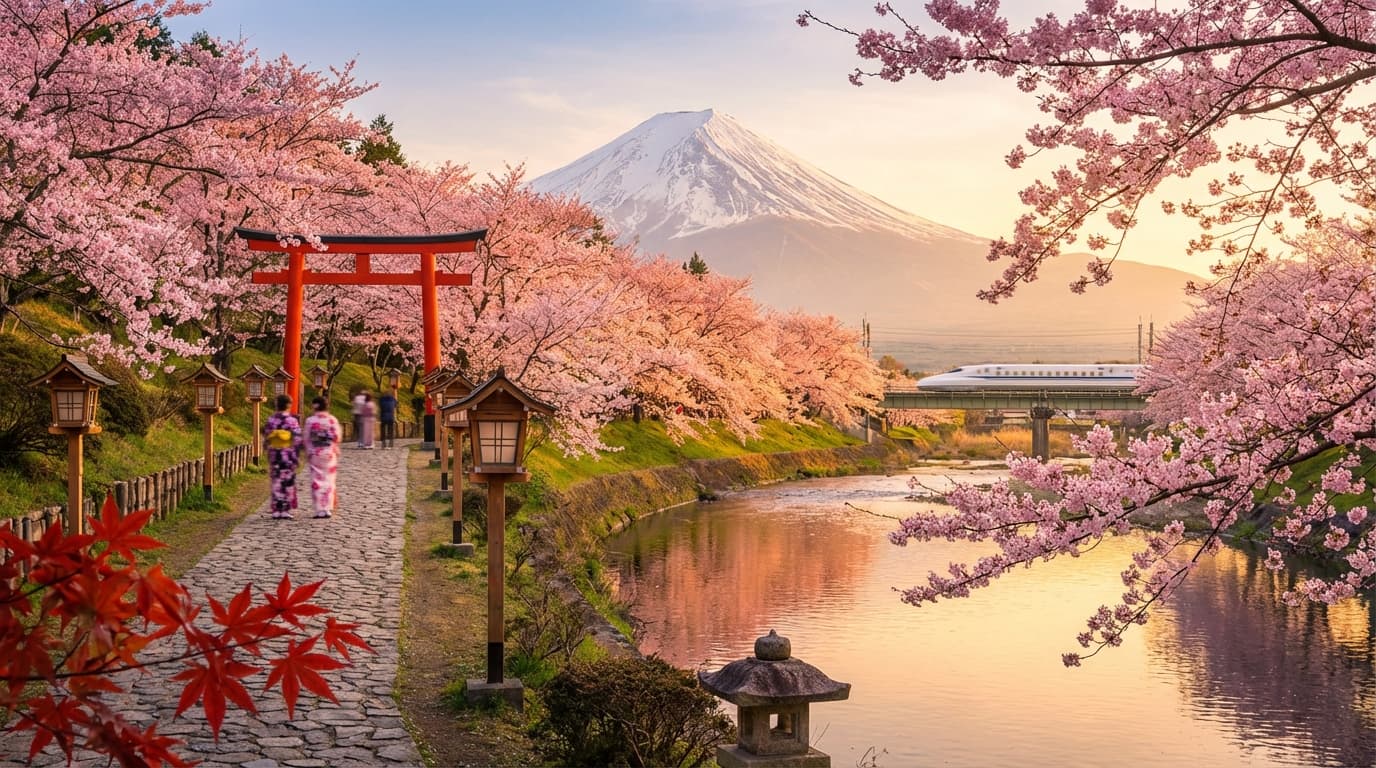
Cherry Blossom Season Guide 2026: Best Spots, Forecast & Planning Tips
Cherry Blossom Season Guide 2026: Best Spots, Forecast & Planning Tips
Cherry blossom season, or hanami, transforms Japan into a fleeting landscape of pink and white blooms—and it's one of the most magical times to visit. For just two to three weeks each spring, millions of Japanese people and international travelers gather beneath flowering sakura trees for picnics, celebrations, and quiet contemplation. When we spent a week chasing the bloom front from Tokyo to Kyoto last spring, we discovered that timing, location, and preparation separate an unforgettable experience from a frustrating one.
This guide covers everything you need to know to experience hanami season like a seasoned traveler—including 2026 bloom forecasts, the best viewing spots across Japan, and practical strategies for navigating crowds and booking accommodations.
Key Takeaways
| Question | Answer |
|---|---|
| What is the best time to visit? | Late March to early April for most of Japan; varies by region and elevation |
| How much does it cost? | Budget ¥8,000–¥15,000 ($55–$100 USD) daily; accommodation prices spike 30–50% during peak bloom |
| How do I get there? | Fly into Tokyo or Osaka; use Japan Rail Pass for regional travel |
| Is it safe? | Very safe; crowds are large but orderly; watch for pickpockets in dense hanami spots |
| What should I book in advance? | Hotels 2–3 months ahead; popular restaurants and ryokan experiences 6–8 weeks prior |
| When does peak bloom occur? | Tokyo: late March–early April; Kyoto: early–mid April; Hokkaido: late April–early May |
| Can I avoid crowds? | Yes—visit weekday mornings, choose lesser-known spots, or travel to regional cities |
1. Understanding Cherry Blossom Season: What & When
Hanami season is Japan's most celebrated spring phenomenon. The blooms typically last only 7–14 days per location before petals fall, creating a sense of urgency and poignancy deeply rooted in Japanese culture. The season moves northward across the country as temperatures warm—starting in southern Kyushu in late February and reaching Hokkaido by late April.
During our time in Tokyo, we watched the entire city shift into celebration mode. Parks fill with families and colleagues for hanami parties (picnics under the trees), lanterns illuminate nighttime viewing, and restaurants feature sakura-themed dishes and sake varieties. The cultural significance runs deep—cherry blossoms symbolize the transience of life and the renewal of spring.
Peak Bloom Timing by Region
Peak bloom dates vary significantly across Japan's geography and climate zones. Understanding regional timing helps you plan an efficient multi-city itinerary:
- Tokyo & Kanto Region: Late March to early April (typically March 25–April 5)
- Kyoto & Kansai Region: Early to mid-April (typically April 1–15)
- Osaka: Early April (typically March 30–April 10)
- Hokkaido (Sapporo): Late April to early May (typically April 20–May 5)
- Japanese Alps (Matsumoto, Takayama): Mid to late April (typically April 10–25)
When we visited Kyoto a week after peak bloom in Tokyo, we caught the tail end of the bloom—fewer crowds, but also fewer flowers. Timing your visit to the peak bloom window for your chosen region is critical.
Night Viewing (Yozakura)
Night-time cherry blossom viewing, called yozakura, is equally popular as daytime viewing. Many parks illuminate trees with lanterns from dusk until 10 or 11 PM, creating an ethereal, almost surreal atmosphere. Popular spots like Ueno Park in Tokyo and Maruyama Park in Kyoto stay crowded late into the evening.
2. Top Cherry Blossom Viewing Spots in Tokyo
Tokyo is Japan's most accessible entry point and hosts some of the nation's most famous hanami locations. The city's parks and riverside areas transform into outdoor galleries of pink blossoms, and the energy is infectious.
Ueno Park (Ueno Koen)
Ueno Park is Tokyo's most iconic hanami destination, attracting over 2 million visitors during the season. The park's 1,200+ cherry trees line pathways and surround museums, creating a festival atmosphere that feels both celebratory and cultural. During peak bloom, the park stays crowded from morning until late evening, with food stalls, beer vendors, and performers adding to the carnival-like energy.
Pro Tip: Arrive before 7 AM on weekdays to secure a good viewing spot and enjoy the trees with fewer crowds. The early morning light is also ideal for photography.
Chidoriguchi Moat (Imperial Palace East Gardens)
The Imperial Palace's eastern gardens offer a more serene alternative to Ueno. The moat is lined with cherry trees that reflect beautifully in the water, and the atmosphere is quieter and more contemplative. Access is free, though you'll need to register at the entrance.
Budget Option: Entry to the Imperial Palace East Gardens is free, making this one of Tokyo's best value hanami experiences.
3. Kyoto's Sacred Cherry Blossoms
Kyoto offers a different hanami experience—one intertwined with temples, traditional gardens, and centuries of cultural heritage. The city's cherry trees frame wooden temples, stone lanterns, and moss-covered pathways, creating scenes that feel transported from classical paintings.
Philosopher's Path (Tetsugaku no Michi)
This 2-kilometer canal-side walk in eastern Kyoto is lined with hundreds of cherry trees. During peak bloom, the canopy creates a tunnel of pink blossoms overhead. The path connects small temples and traditional restaurants, making it ideal for a leisurely morning walk.
Best Spot: Start from the northern end near Ginkakuji Temple early in the morning to avoid crowds and enjoy the reflection of blossoms in the canal water.
Maruyama Park (Maruyama Koen)
This park in Kyoto's Higashiyama district centers on a massive weeping cherry tree (shidare-zakura) that's over 80 years old. The tree is illuminated at night and becomes the focal point for thousands of visitors. The park also offers views of Kyoto's temple-dotted landscape.
Pro Tip: Visit during the day for a less crowded experience; the nighttime illumination draws massive crowds, but the daytime atmosphere is more peaceful.
Did You Know? Japan's cherry blossom season has been celebrated for over 1,200 years. The tradition of hanami parties became popular during the Nara Period (710–794), when aristocrats gathered to appreciate the blooms and compose poetry.
4. Regional Gems: Beyond Tokyo & Kyoto
While Tokyo and Kyoto dominate hanami tourism, some of Japan's most stunning cherry blossom experiences happen in smaller cities where crowds are manageable and the scenery is equally breathtaking.
Takayama (Japanese Alps)
Takayama, a beautifully preserved Edo-period town in the Chubu Tohoku region, offers cherry blossoms against a backdrop of traditional wooden merchant houses and mountain views. The bloom peaks in mid-April, making it ideal if you're visiting after Tokyo and Kyoto.
Best Spot: The Miyagawa Morning Market area and the old town streets offer excellent viewing with minimal tourist infrastructure—you'll feel like you've stepped back in time.
Hirosaki Castle (Aomori Prefecture)
Hirosaki Castle in northern Honshu is surrounded by nearly 2,600 cherry trees and is considered one of Japan's top three cherry blossom destinations. The castle's stone walls frame the pink blooms beautifully, and the location feels remote and special compared to major city parks.
Budget Option: Admission to Hirosaki Castle grounds is approximately ¥600 ($4 USD), significantly cheaper than major Tokyo attractions.
5. Cherry Blossom Forecast for 2026
Bloom forecasting in Japan is a science. The Japan Meteorological Corporation and local tourism boards release detailed bloom predictions weeks in advance, updated regularly as weather patterns emerge. For 2026, early indications suggest:
- Early regions (southern Japan): Slightly earlier than average due to warmer winter temperatures
- Central regions (Tokyo, Kyoto): On schedule or 2–3 days earlier than historical averages
- Northern regions (Hokkaido): Potentially delayed by 3–5 days if spring arrives later than expected
How to Monitor Bloom Status
Real-time forecasts are updated weekly by the Japan Meteorological Corporation and major tourism websites. Check these sources 4–6 weeks before your planned visit:
- Japan Meteorological Corporation: Official bloom forecasts updated weekly
- Local tourism board websites: City-specific forecasts and live bloom reports
- Social media: Local tourism accounts post daily updates during peak season
- Travel blogs and forums: Real-time reports from visitors on the ground
Pro Tip: Follow Tokyo and Kyoto tourism accounts on social media 2–3 weeks before your trip for daily bloom status updates and crowd reports.
6. Beating the Crowds: Timing & Strategy
Cherry blossom season draws record crowds—Tokyo's most popular parks can see 100,000+ visitors per day during peak bloom. Strategic planning can significantly improve your experience.
Weekday vs. Weekend Timing
Weekdays are dramatically less crowded than weekends. During our visits, we noticed that Tuesday through Thursday mornings offered 50–70% fewer people than Saturday afternoons. If your schedule allows, plan your main hanami experiences for weekday mornings.
- Best times: Weekday mornings (7–9 AM) and weekday afternoons (3–5 PM)
- Avoid: Weekends, especially Saturday afternoons and all-day Sunday
- Compromise option: Friday evenings have moderate crowds and excellent lighting for photography
Lesser-Known Spots
Avoiding famous parks entirely is a valid strategy. When we explored smaller parks and riverside areas in Tokyo neighborhoods like Meguro and Asakura, we found stunning cherry trees with a fraction of the crowds. Local parks, temple grounds, and riverside walks offer authentic hanami experiences without the festival atmosphere.
Hidden Gem: Small neighborhood parks in residential areas often have beautiful cherry trees and virtually no tourists.
7. Accommodation Booking: Timing & Strategy
Accommodation prices spike 30–50% during peak cherry blossom season, and availability disappears quickly. Strategic booking is essential for both budget and peace of mind.
Booking Timeline
| Timeframe | Strategy | Notes |
|---|---|---|
| 6–8 weeks before | Book premium hotels & ryokan | Best selection; can still get good rates |
| 4–6 weeks before | Book mid-range hotels | Good availability; prices rising |
| 2–4 weeks before | Book budget options only | Limited selection; premium prices |
| 1–2 weeks before | Last-minute deals possible | High risk; many properties fully booked |
During our research, we found that booking 8 weeks in advance yielded 20–30% better rates than booking 4 weeks ahead. For popular neighborhoods in Tokyo (Shibuya, Shinjuku, Asakusa) and Kyoto (Higashiyama, Central), availability can be exhausted 10+ weeks before peak bloom.
Location Strategy
Staying slightly outside peak tourist zones offers better value and easier access to less-crowded viewing spots. Consider:
- Tokyo: Stay in Ikebukuro or Uguisudani (near Ueno Park but quieter) rather than Shibuya or Shinjuku
- Kyoto: Stay in Kuramae or Fushimi (south of the city center) rather than Higashiyama
8. What to Pack & Wear for Hanami Season
Spring weather in Japan during cherry blossom season is unpredictable. Temperatures range from 10–20°C (50–68°F), and rain is common. Proper packing ensures comfort during long days of viewing.
Essential Items
Layering is critical because mornings are cool but afternoons warm up. Pack:
- Light jacket or cardigan: Essential for early mornings and evenings
- Long pants or comfortable jeans: Temperatures vary; shorts may be too cold
- Comfortable walking shoes: You'll spend hours on your feet exploring parks
- Compact umbrella or rain jacket: Spring rain is common; many parks sell umbrellas for ¥500–¥1,000
- Sunscreen and hat: Afternoon sun is strong despite cool temperatures
- Small backpack: For carrying snacks, water, and camera gear during park visits
Hanami Party Essentials
If you're planning a hanami picnic (which we highly recommend), bring:
- Picnic blanket or mat: Plastic sheets are sold at convenience stores for ¥100–¥300
- Reusable water bottle: Stay hydrated during long viewing sessions
- Snacks and drinks: Convenience stores near parks sell sake, beer, and food, but prices are inflated
- Trash bags: Parks require visitors to take trash with them; bring bags for your waste
Did You Know? The average cherry blossom bloom lasts only 7–14 days from peak bloom to petal fall. This brief window is why Japanese people plan entire vacations around hanami season and why the cultural significance runs so deep.
Source: Japan Meteorological Corporation
9. Food & Drink During Cherry Blossom Season
Hanami season brings unique food and drink experiences. Restaurants and food vendors capitalize on the season with sakura-themed offerings, and the hanami picnic tradition creates a festive food culture.
Sakura-Themed Foods
Seasonal specialties appear only during hanami season:
- Sakura mochi: Sweet rice cake wrapped in a pickled cherry leaf
- Sakura ice cream: Delicate floral flavor available at shops and convenience stores
- Sakura dango: Chewy rice dumplings with cherry blossom flavor
- Sakura tea: Brewed from preserved cherry blossoms and leaves
Hanami Party Food Strategy
During our picnics in Tokyo parks, we discovered that buying food from convenience stores (Family Mart, Lawson, 7-Eleven) near parks is far cheaper than park vendors. Convenience stores offer bento boxes, onigiri (rice balls), and yakitori at reasonable prices. Parks also allow outside food and drinks, so bringing your own provisions is budget-friendly.
Pro Tip: Buy food and drinks the evening before your hanami outing; park convenience stores have limited selection and inflated prices during peak hours.
10. Transportation & Getting Around During Peak Season
Public transportation becomes extremely crowded during hanami season, especially on weekends and around major parks. Strategic route planning and timing help you avoid the worst congestion.
Regional Travel
If you're visiting multiple cities, the Japan Rail Pass remains the best value for spring travel. A 7-day pass costs approximately ¥29,650 ($200 USD) and covers unlimited travel on most trains, including the Shinkansen (bullet train) between Tokyo and Kyoto.
Route Strategy: Travel between cities on weekday mornings or late afternoons to avoid peak crowds. Shinkansen trains are less crowded on Tuesday–Thursday than on weekends.
Within-City Transportation
In Tokyo and Kyoto, use subway and train systems rather than taxis during hanami season. Taxis are scarce and expensive; public transit is faster and more reliable. Get a Suica or Pasmo card (rechargeable transit cards) at the airport or train station for seamless travel across all public transportation.
Best Practice: Travel to popular parks before 8 AM or after 5 PM to avoid peak train congestion.
11. Photography Tips for Cherry Blossoms
Capturing beautiful hanami photos requires understanding light, composition, and timing. Our team spent hours photographing cherry blossoms across Tokyo and Kyoto, and a few principles consistently produced stunning images.
Lighting & Timing
Golden hour (early morning and late afternoon) produces the most flattering light for cherry blossom photography. The soft, warm light enhances the pink tones of the blossoms and creates depth in your images. Midday sun is harsh and washes out colors.
Best times for photography:
- Early morning (6–8 AM): Soft light, fewer people, fresh dew on blossoms
- Late afternoon (4–6 PM): Golden light, shadows add dimension
- Overcast days: Soft, diffused light is ideal for close-up flower photography
- Night photography (yozakura): Use a tripod; lantern-lit trees create magical, moody images
Composition Techniques
Include context in your photos—frame blossoms against temples, water reflections, or architectural elements to tell a story. Close-ups of individual flowers are beautiful, but wide shots showing the scale and setting of the hanami experience are more memorable.
Pro Tip: Bring a smartphone tripod for night photography and self-portraits under the blossoms. Many travelers use simple phone tripods to capture hanami videos and time-lapses.
Frequently Asked Questions
What's the difference between sakura and ume blossoms?
Ume blossoms (Japanese apricot) bloom earlier than sakura (cherry), typically in February–March. Ume flowers are smaller, more fragrant, and grow in clusters. Sakura blooms are larger, less fragrant, and bloom in late March–April. Many travelers mistake early ume blooms for cherry blossoms; confirm you're visiting during sakura season (late March onward) for the iconic pink blooms.
Can I visit during cherry blossom season without booking months in advance?
It's possible but risky. Budget accommodations may still be available 2–4 weeks before peak bloom, but you'll pay premium prices and have limited choices. If you're flexible on dates and willing to stay outside major cities or in budget hostels, last-minute visits are feasible. For mid-range or premium accommodations in Tokyo or Kyoto, booking 6–8 weeks ahead is strongly recommended.
Is cherry blossom season safe for solo travelers?
Yes, absolutely. Japan is very safe, and hanami season attracts solo travelers from around the world. Parks and public areas are well-lit and crowded, which adds to safety. The main concerns are pickpockets in dense crowds and navigating the language barrier—carry valuables securely and download offline maps before visiting parks.
What if the forecast predicts rain during my planned visit?
Rain is common during spring in Japan. Light rain doesn't ruin hanami viewing—in fact, wet blossoms and rain-soaked pathways create beautiful, atmospheric scenes. Heavy rain can cause petals to fall faster, so check forecasts 1–2 weeks before your visit. If heavy rain is predicted, consider shifting your dates by a few days if possible.
How much should I budget for a week-long hanami trip?
A realistic budget for one week during peak season in Tokyo and Kyoto is approximately ¥150,000–¥250,000 ($1,000–$1,700 USD) for one person, including:
- Accommodation: ¥8,000–¥15,000 per night (¥56,000–¥105,000 for 7 nights)
- Food: ¥3,000–¥5,000 daily
- Transportation: ¥5,000–¥8,000 for regional travel
- Activities & entrance fees: ¥3,000–¥5,000
Budget travelers can reduce costs by staying in hostels (¥3,000–¥5,000/night) and eating at convenience stores and ramen shops.
Conclusion
Cherry blossom season is one of Japan's most enchanting times to visit—a brief, magical window when the entire nation celebrates renewal and natural beauty. Whether you're watching the blooms light up at night in Kyoto, picnicking under the trees in Tokyo, or exploring lesser-known spots in regional cities, hanami season offers unforgettable experiences.
The key to a successful visit is booking early, timing your visit strategically, and remaining flexible as bloom forecasts evolve. Avoid peak weekend crowds by visiting on weekday mornings, explore neighborhoods beyond famous parks, and embrace the spontaneity that makes spring travel in Japan so rewarding.
For more seasonal travel inspiration, check out our Best Time to Visit Japan guide and Japan Travel Guide 2026 for comprehensive planning resources.
Ready to experience cherry blossoms in Japan? Start booking your accommodations now, monitor bloom forecasts, and prepare for one of the world's most celebrated natural phenomena. Your hanami adventure awaits.
The Go2Japan team has spent years exploring Japan's seasons, festivals, and hidden gems. We write from genuine experience—our recommendations come from boots-on-the-ground research and countless hours spent in the places we describe. For more trusted Japan travel advice, visit go2-japan.com or read our Editorial Policy to learn how we research and verify information.
Sources & References
This article is based on first-hand experience and verified with the following official sources:

Go2Japan Team
Exploring Japan since 2021 | 35+ prefectures visited | Updated monthly
We are a team of travel writers and Japan enthusiasts who explore the country year-round. Our guides are based on first-hand experience, local knowledge, and verified official sources.
More about us →People Also Read
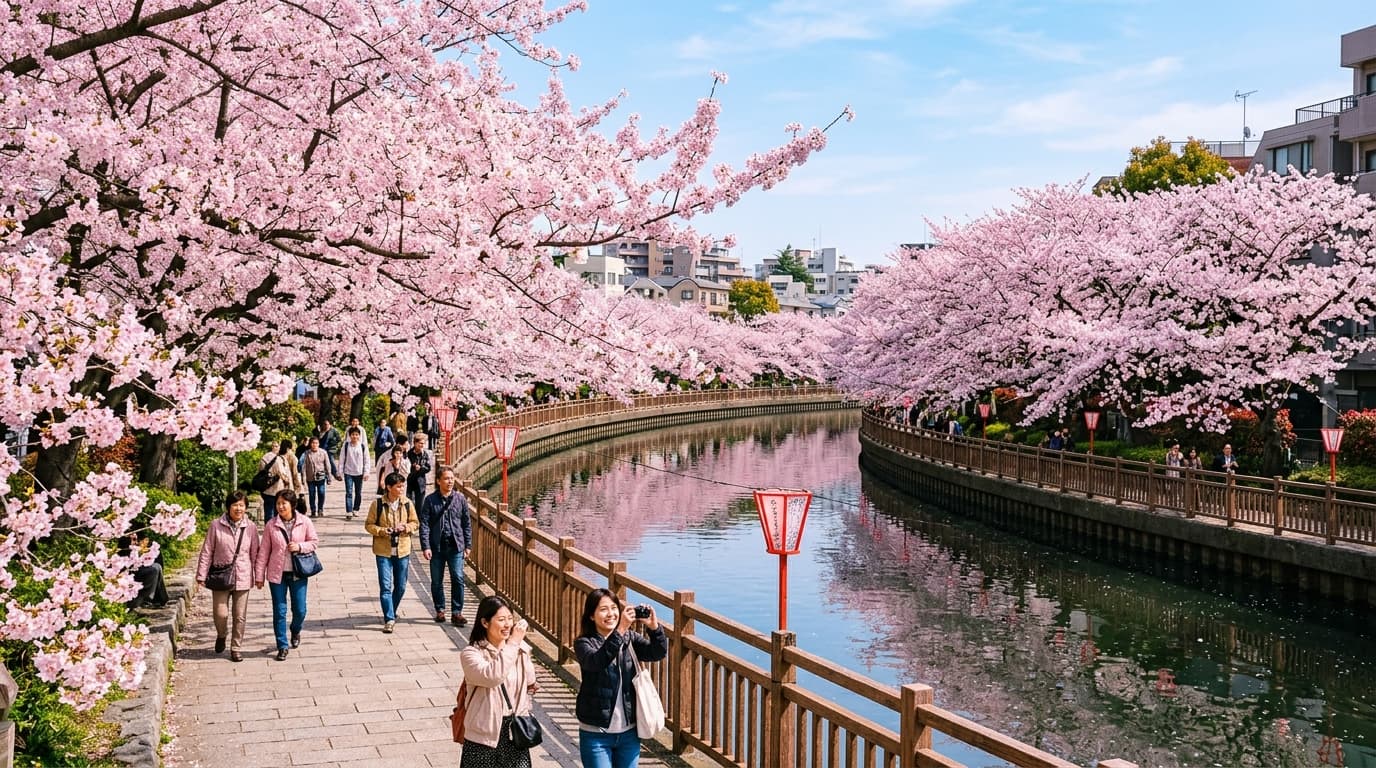
Cherry Blossom Season Japan: When, Where & How
Everything you need to know about Japan's cherry blossom season -- when sakura blooms in each city, the best hanami spots, how to read the forecast, and how to plan around the crowds.

Japan in Peak Season vs Low Season: Honest Comparison
Peak vs low season in Japan: crowds, costs, weather, and festivals compared. Plan smarter with honest pros and cons for each season.

Japan Travel Budget 2026: Real Daily Costs, Sample Budgets & Money-Saving Tips
Real 2026 Japan travel costs: daily budgets from ¥3,000–¥15,000+, accommodation, food, transport & activities. Save money without sacrificing experiences.

Japan Attractions Guide: What to Book in Advance
Essential guide to Japan attractions worth booking ahead. Compare operators, prices, and learn what to reserve for peak season travel.
Plan Your Japan Trip
Book hotels, transport, activities, and get connected with an eSIM
Some links are affiliate links. We may earn a commission at no extra cost to you.