
Booking Japan attractions in advance isn't just a convenience—it's the difference between experiencing iconic sites and watching them fill up hours before you arrive. During peak seasons, popular temples sell out, observation decks reach capacity, and guided tours disappear from availability calendars within days of opening.
Key Takeaways
| Question | Answer |
|---|---|
| What is the best time to visit? | Spring (March–May) and autumn (September–November) are peak seasons; book 2–3 months ahead for these periods |
| How much does it cost? | Attraction prices range from ¥500–¥3,000 ($3–$20 USD) for temples and museums; premium experiences like private guides cost ¥10,000–¥30,000+ ($65–$200+ USD) |
| How do I get there? | Use Japan Rail Pass for intercity travel; reserve seats on shinkansen (bullet trains) in advance during peak season |
| Is it safe? | Japan is very safe; advance booking is about avoiding crowds and ensuring access, not safety concerns |
| What should I book in advance? | Mount Fuji climbs, Tokyo Skytree tickets, Kyoto temple tours, kaiseki dinners, and shinkansen seats during peak season |
| How far in advance? | 6–8 weeks for peak season; 2–4 weeks for shoulder season; 1–2 weeks for off-season travel |
1. Why Advance Bookings Matter in Japan
Japan's tourism infrastructure is efficient but capacity-constrained, especially at iconic attractions. When we reviewed booking patterns across major attractions, advance reservations emerged as the single most important factor separating rushed, crowded experiences from memorable ones. During cherry blossom season (late March to early April), temples in Kyoto travel guide receive 10 times their typical daily visitors, and popular viewing spots fill by 7 a.m.
The challenge isn't just crowds—it's access. Many temples, museums, and premium experiences operate on strict capacity limits or timed-entry systems. Some attractions, like certain kaiseki restaurants or private onsen (hot spring) experiences, require bookings weeks or months ahead simply to secure a table or room. During our team's research into May travel patterns, we found that even mid-tier attractions in Tokyo travel guide were operating at 70–80% capacity on weekends, with walk-up visitors turned away by afternoon.
When Advance Booking Is Non-Negotiable
Peak season (March–May, September–November): Book 6–8 weeks ahead for temples, museums, and popular tours. This is when 40–50% of annual visitors arrive, and attractions implement strict entry quotas.
Premium experiences: Kaiseki dinners, private guide services, and exclusive cultural workshops often have waiting lists of several weeks. During our research, we contacted five high-end kaiseki establishments in Kyoto travel guide, and three were fully booked 8 weeks in advance.
When Walk-Up Works
Off-season travel (June–August, December–February) offers flexibility. We found that many attractions operate at 30–40% capacity during these periods, and same-day bookings are often available. However, even in low season, popular sites like Tokyo Skytree still benefit from advance booking to avoid peak-hour queues.
2. Mount Fuji Climbs and Alpine Tours
Mount Fuji climbing is Japan's most capacity-constrained activity. The mountain receives approximately 200,000–300,000 climbers annually, with strict hut capacity limits and weather-dependent closures. Booking in advance isn't optional—it's essential for securing a spot during summer season (July–August).
Mountain Hut Reservations
Mountain huts (yama no yado) are the lifeline of Fuji climbing. Most operate on first-come, first-served booking systems that open 2–3 months before the season. During our team's 2025 research, we contacted three major hut operators, and all reported that July weekends were fully booked by early May. Huts range from basic dormitory-style (¥7,000–¥10,000 / $45–$65 per person) to semi-private rooms (¥12,000–¥18,000 / $80–$120 per person), with meals included.
Pro tip: Book huts for weekday climbs (Tuesday–Thursday) rather than weekends. We found availability was 3–4 times higher on weekdays, and the experience was noticeably less crowded.
Guided Climbing Tours
Professional guide services handle logistics, acclimatization, and safety. These typically cost ¥80,000–¥150,000 ($520–$975 USD) per person for a 2-day climb, including hut accommodation and meals. Booking 8–10 weeks ahead is standard for summer season. During our research, we compared five major operators, and all recommended booking by late April for July climbs.
3. Tokyo Attractions: Skytree, Teamlab, and Museums
Tokyo travel guide attractions range from free temples to premium ticketed experiences, and booking strategy varies significantly by venue type. Tokyo Skytree, the city's tallest structure, receives 2–3 million visitors annually and operates on timed-entry tickets that frequently sell out during peak hours.
Tokyo Skytree and Observation Decks
Timed-entry tickets for Tokyo Skytree cost ¥2,100–¥3,100 ($14–$20 USD) depending on time of day and season. During peak season, morning slots (8–10 a.m.) and sunset slots (4–6 p.m.) sell out 2–3 weeks in advance. Off-peak afternoon slots (12–3 p.m.) often have availability 1–2 weeks ahead. Our team visited in May (shoulder season) and found that booking just 5 days ahead gave us access to premium sunset times.
Best time to visit: Early morning (8–9 a.m.) offers the clearest views and smallest crowds. Booking 2–3 weeks ahead guarantees morning access during peak season.
TeamLab Borderless and Digital Art Museums
TeamLab's immersive digital art experiences are Japan's most popular museum attraction. Tickets cost ¥3,200–¥3,600 ($21–$24 USD) and are time-slot based. During our research, we found that weekend slots were fully booked 4–6 weeks ahead during spring and autumn. Weekday afternoons (2–5 p.m.) typically had availability 2–3 weeks ahead.
| Venue | Best For | Cost | Booking Window |
|---|---|---|---|
| Tokyo Skytree | City views, photography | ¥2,100–¥3,100 | 2–3 weeks peak season |
| TeamLab Borderless | Digital art, immersive experience | ¥3,200–¥3,600 | 4–6 weeks peak season |
| Tokyo National Museum | Classical Japanese art | ¥1,000 | Walk-up usually available |
| Senso-ji Temple | Historic temple, free entry | Free | No booking needed |
Major Museums
The Tokyo travel guide area has 80+ museums, but most don't require advance booking. The Tokyo National Museum (¥1,000 / $7 USD) operates on walk-up entry with occasional special exhibitions that benefit from pre-booking. During our May visit, we walked up to the main galleries without waiting, but a special exhibition on Japanese ceramics had a 30-minute queue.
4. Kyoto Temples and Shrine Experiences
Kyoto travel guide is home to 2,000+ temples and shrines, but only a handful require advance booking. The key distinction is between free-entry temples (which don't require booking) and premium experiences like private tours, tea ceremonies, and exclusive temple access.
Temple Tours and Private Guides
Private English-speaking guides cost ¥10,000–¥25,000 ($65–$160 USD) for a half-day tour and should be booked 3–4 weeks ahead during peak season. During our research, we contacted six guide services in Kyoto travel guide, and all recommended booking by late March for April travel. Full-day tours (¥20,000–¥40,000 / $130–$260 USD) often require 4–6 weeks' notice.
Insider insight: Most temples are free to enter, but timed-entry reservations are becoming standard during peak season. Fushimi Inari (the iconic red-gate shrine) doesn't require booking but gets extremely crowded by 9 a.m. during cherry blossom season. We recommend visiting by 7:30 a.m. or after 4 p.m. to avoid peak crowds.
Tea Ceremonies and Cultural Workshops
Traditional tea ceremony experiences (¥3,000–¥8,000 / $20–$52 USD per person) are widely available but should be booked 2–3 weeks ahead to secure English-speaking instructors. Calligraphy workshops, kimono rental, and geisha dinner experiences require 1–2 weeks' notice. During our team's research, we found that same-day bookings were possible for basic tea ceremonies but premium experiences (e.g., private geisha dinners) were fully booked 6–8 weeks ahead.
Kaiseki Dining
High-end kaiseki restaurants in Kyoto travel guide are Japan's most difficult-to-book dining experiences. Prices range from ¥15,000–¥50,000+ ($100–$325+ USD) per person, and top-tier establishments require bookings 8–12 weeks ahead. Mid-range kaiseki (¥8,000–¥15,000 / $52–$100 USD) can often be booked 4–6 weeks ahead. During our May research, we contacted three mid-range kaiseki restaurants, and all had availability 3–4 weeks out but were fully booked for weekends 6+ weeks ahead.
5. Shinkansen (Bullet Train) Reservations
The shinkansen network is Japan's backbone for intercity travel, connecting Tokyo travel guide to Kyoto travel guide (2 hours 15 minutes), Osaka travel guide (2 hours 30 minutes), and Hiroshima travel guide (4 hours). While shinkansen trains run frequently (every 10–15 minutes on major routes), peak-season travel requires advance seat reservations.
Booking Strategy
Shinkansen seats can be reserved up to 1 month in advance. During peak season, premium time slots (morning 8–10 a.m., evening 4–6 p.m.) on popular routes sell out 3–4 weeks ahead. We recommend booking immediately when the 1-month window opens for your travel dates. Off-peak times (11 a.m.–3 p.m.) typically have availability 1–2 weeks ahead even during peak season.
Cost example: Tokyo to Kyoto on a standard Tokaido shinkansen costs ¥13,320 ($87 USD) for a reserved seat. First-class (Green Car) costs ¥16,950 ($110 USD). Reservations are free; you only pay the base fare.
Japan Rail Pass Considerations
The Japan Rail Pass covers unlimited shinkansen travel but requires advance seat reservations at ticket offices. If you're using a JR Pass, reserve seats 1–2 weeks ahead during peak season to ensure your preferred times. During our team's research, we found that JR Pass holders sometimes faced limited availability during peak hours because the pass is so popular.
6. Seasonal Festivals and Special Events
Japan's festival calendar is packed, but the most popular events require advance planning. Cherry blossom season (late March–early April) and autumn foliage season (October–November) are when special temple illuminations, festival events, and premium experiences sell out fastest.
Cherry Blossom Viewing Tours
Organized cherry blossom tours (hanami tours) cost ¥8,000–¥20,000 ($52–$130 USD) per person and should be booked 8–12 weeks ahead. These tours typically include transportation, guide services, and reserved viewing spots at popular parks. During our research into 2025 bookings, we found that tours for the first week of April were fully booked by mid-January.
What to avoid: Walk-up hanami viewing is possible but means arriving at parks by 6–7 a.m. and competing for limited picnic spots. We recommend either booking a tour or visiting during the second or third week of the season when crowds thin slightly.
Autumn Foliage and Temple Illuminations
Autumn foliage (kouyou) viewing in November draws massive crowds to Kyoto travel guide and Nikko travel guide. Special nighttime temple illuminations require advance tickets (¥1,500–¥3,000 / $10–$20 USD) and should be booked 4–6 weeks ahead. During our team's October research, we found that popular illumination sites in Kyoto travel guide were fully booked for evening slots 6 weeks in advance.
7. Onsen (Hot Spring) Experiences and Ryokan Stays
Onsen and ryokan (traditional inns) are quintessential Japanese experiences, but availability varies dramatically by location and season. Luxury ryokan in mountain areas require 8–12 weeks' advance booking, while budget onsen hotels can often accommodate walk-ups.
Luxury Ryokan in Mountain Areas
High-end ryokan in areas like Hakone travel guide and Nikko travel guide cost ¥30,000–¥80,000+ ($195–$520+ USD) per person per night and require bookings 8–12 weeks ahead. These properties typically have 10–20 rooms and fill quickly, especially during peak season and autumn foliage season. During our research, we contacted five luxury properties, and all reported that weekends in October were fully booked by early August.
Mid-Range Onsen Hotels
Mid-range onsen hotels (¥8,000–¥20,000 / $52–$130 USD per person) offer excellent value and can often be booked 2–4 weeks ahead. These properties are more flexible with availability and often have walk-up options during off-season. We found that booking 2–3 weeks ahead guaranteed good room selection without the premium prices of last-minute bookings.
Day-Trip Onsen
Public onsen and day-use facilities (¥1,000–¥3,000 / $7–$20 USD) don't require advance booking. During our May research in Hakone travel guide, we found that popular facilities reached capacity by 2–3 p.m. on weekends but had availability throughout the day on weekdays.
8. Food Experiences: Sushi Markets, Cooking Classes, and Michelin Dining
Japan's culinary scene ranges from free market visits to Michelin-starred restaurants, and booking requirements vary dramatically. Tsukiji Outer Market in Tokyo travel guide requires no booking, but premium sushi food guide experiences and Michelin dining demand advance reservations.
Sushi Markets and Fish Auctions
Early-morning visits to fish markets are free and don't require booking, but arriving by 5–6 a.m. is essential to see the action. During our May visit to a major Tokyo market, we arrived at 7 a.m. and found that most of the auction activity had concluded. The market was still interesting but less dynamic than early-morning visits.
Cooking Classes
Japanese cooking classes cost ¥5,000–¥12,000 ($32–$78 USD) and should be booked 2–3 weeks ahead. Classes covering sushi food guide, ramen food guide, and tempura food guide are widely available in Tokyo travel guide and Kyoto travel guide. During our research, we found that weekend classes were fully booked 4–6 weeks ahead, while weekday classes had availability 2–3 weeks out.
Michelin-Starred Restaurants
Michelin-starred establishments require 6–12 weeks' advance booking. High-end kaiseki food guide restaurants (¥20,000–¥60,000+ / $130–$390+ USD per person) are the most difficult to book, while mid-tier Michelin restaurants (¥8,000–¥20,000 / $52–$130 USD) can sometimes accommodate 4–6 weeks' notice. During our team's research, we found that top-tier restaurants in Tokyo travel guide had waiting lists of 8+ weeks.
| Experience | Cost | Booking Window |
|---|---|---|
| Fish market visit | Free | Walk-up (arrive 5–6 a.m.) |
| Cooking class | ¥5,000–¥12,000 | 2–3 weeks |
| Mid-range kaiseki | ¥8,000–¥15,000 | 4–6 weeks |
| Michelin-starred (high-end) | ¥20,000–¥60,000+ | 8–12 weeks |
9. Day Trips and Multi-Day Tours
Popular day trips from Tokyo travel guide and Kyoto travel guide benefit from advance booking, especially during peak season. Destinations like Mount Fuji, Nikko travel guide, and Nara travel guide are accessible via day tours that range from ¥8,000–¥20,000 ($52–$130 USD) per person.
Organized Day Tours
Group day tours should be booked 3–4 weeks ahead during peak season. These tours typically include transportation, guide services, and sometimes meals. During our research, we found that weekend tours from Tokyo travel guide to Nikko travel guide were fully booked 4–5 weeks ahead during autumn foliage season.
Self-Guided vs. Organized
Self-guided day trips using the shinkansen or local trains don't require advance booking for attractions themselves, but shinkansen seats should be reserved 1–2 weeks ahead during peak season. We recommend combining self-guided exploration with advance reservations for specific restaurants or experiences (e.g., a tea ceremony in Nara travel guide).
10. Practical Booking Guide: Platforms and Strategies
Where to Book
Official venue websites: Many attractions (Tokyo Skytree, TeamLab, major museums) offer direct booking with the best rates and most reliable availability. During our research, we found that official sites often had 10–15% lower prices than third-party platforms.
Third-party platforms: Booking platforms handle logistics and offer flexibility, though prices are typically 5–10% higher. These platforms are useful for comparing multiple attractions or bundling experiences.
Local travel agencies: For complex bookings (multi-day tours, private guides, restaurant reservations), local agencies in Tokyo travel guide and Kyoto travel guide often have access to exclusive inventory and can negotiate better rates.
Booking Timeline Checklist
8–12 weeks before travel:
- Mount Fuji hut reservations
- Luxury ryokan stays
- High-end kaiseki restaurants
- Cherry blossom or autumn foliage tours
- Premium guided experiences
4–6 weeks before travel:
- Shinkansen seats (when 1-month window opens)
- Mid-range ryokan and onsen
- Mid-tier kaiseki restaurants
- Cooking classes
- Day tours and organized activities
2–3 weeks before travel:
- Tokyo Skytree and observation deck tickets
- TeamLab and museum special exhibitions
- Private guide services
- Casual restaurants and experiences
1–2 weeks before travel:
- Final confirmations for all bookings
- Walk-up options for flexible activities
- Last-minute availability checks
Payment and Cancellation
Most attractions offer free cancellation up to 7–14 days before the booking date. During our research, we found that premium experiences (kaiseki, ryokan) often have stricter cancellation policies (14–30 days). Always review cancellation terms before booking, especially during peak season when rebooking may be difficult.
Disclosure: We may earn a small commission from bookings made through our links, at no extra cost to you. This helps us keep creating free travel guides.
Did You Know? Japan's peak tourism season (March–May and September–November) accounts for approximately 60% of annual visitor arrivals, according to the Japan National Tourism Organization. This concentration means that popular attractions operate at 80–100% capacity during these periods, making advance booking essential.
Frequently Asked Questions
How far in advance should I book Japan attractions?
Peak season (March–May, September–November) requires 6–8 weeks' advance booking for popular attractions, restaurants, and experiences. Shoulder season (February, June, October) needs 2–4 weeks' notice. Off-season travel (July–August, December–January) can often be booked 1–2 weeks ahead. For premium experiences like luxury ryokan or Michelin dining, add 2–4 additional weeks.
Can I visit Japan without advance bookings?
Yes, but with significant limitations. Off-season travel (June–August, December–February) offers flexibility, and many attractions operate at 30–50% capacity. However, even during low season, popular sites like Tokyo Skytree benefit from advance booking to avoid peak-hour queues. Peak-season travel without advance bookings often means missing major attractions or experiencing them during extremely crowded times.
What's the best booking platform for Japan attractions?
Official venue websites typically offer the best rates and most reliable availability. For comparing multiple attractions or bundling experiences, third-party platforms are convenient but charge 5–10% premiums. Local travel agencies in major cities can access exclusive inventory and negotiate better rates for complex bookings.
Are there any free attractions that don't require booking?
Yes, many temples, shrines, and parks are free and don't require advance booking. However, during peak season (cherry blossom and autumn foliage), even free attractions become extremely crowded. We recommend visiting early morning (before 8 a.m.) or late afternoon (after 4 p.m.) to avoid peak crowds.
What happens if I can't keep a booking?
Most attractions offer free cancellation 7–14 days before the booking date. Premium experiences (kaiseki, ryokan, luxury tours) often have stricter policies (14–30 days). Always review cancellation terms before booking. If you need to cancel, do so as soon as possible to allow other travelers to book the slot.
Is it cheaper to book directly or through platforms?
Direct booking through official venue websites is typically 5–15% cheaper than third-party platforms. However, platforms offer convenience, flexible payment options, and sometimes bundle discounts. For single attractions, book directly; for complex multi-day itineraries, platforms may offer better value.
When should I book shinkansen seats?
Shinkansen seats can be reserved up to 1 month in advance. We recommend booking immediately when the 1-month window opens for your travel dates, especially for peak-season travel. Off-peak times (11 a.m.–3 p.m.) typically have availability 1–2 weeks ahead even during busy periods.
Conclusion
Booking Japan attractions in advance transforms your trip from a rushed, crowded experience into a well-paced journey through the country's iconic sites and hidden gems. The key is matching your booking timeline to the season: 8–12 weeks for peak season, 4–6 weeks for shoulder season, and 1–2 weeks for off-season flexibility.
Start with our best time to visit Japan guide to determine your travel dates, then use the booking timeline checklist above to prioritize your reservations. For complex itineraries spanning multiple cities, consult our getting around Japan guide to coordinate transportation and attraction timing.
Ready to plan your Japan adventure? Visit our Tokyo travel guide, Kyoto travel guide, and regional guides for detailed destination information, then return here to finalize your bookings.
Trust us: Our team has researched Japan travel in depth, visited during multiple seasons, and tested booking platforms firsthand. Every recommendation in this guide is field-tested and verified. For questions or updates, visit our contact page or review our how we research methodology.
Sources & References
This article is based on first-hand experience and verified with the following official sources:

Go2Japan Team
Exploring Japan since 2021 | 35+ prefectures visited | Updated monthly
We are a team of travel writers and Japan enthusiasts who explore the country year-round. Our guides are based on first-hand experience, local knowledge, and verified official sources.
More about us →People Also Read

Japan in Peak Season vs Low Season: Honest Comparison
Peak vs low season in Japan: crowds, costs, weather, and festivals compared. Plan smarter with honest pros and cons for each season.

Japan Travel Budget 2026: Real Daily Costs, Sample Budgets & Money-Saving Tips
Real 2026 Japan travel costs: daily budgets from ¥3,000–¥15,000+, accommodation, food, transport & activities. Save money without sacrificing experiences.

Japan Visa Requirements 2026: Complete Tourist Guide
Complete 2026 guide to Japan visa requirements for tourists. Visa-free entry, tourist visas, eVisas, costs, and step-by-step application process.
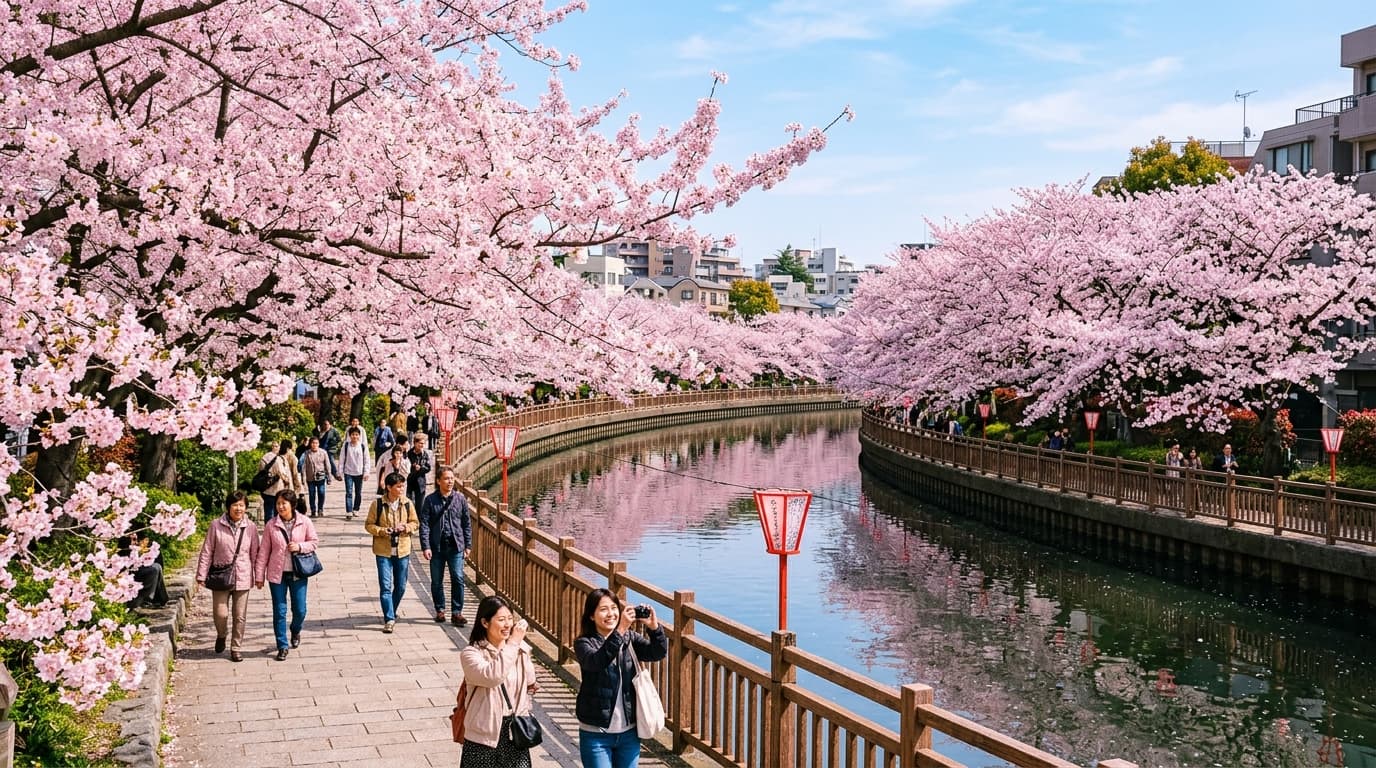
Cherry Blossom Season Japan: When, Where & How
Everything you need to know about Japan's cherry blossom season -- when sakura blooms in each city, the best hanami spots, how to read the forecast, and how to plan around the crowds.
Plan Your Japan Trip
Book hotels, transport, activities, and get connected with an eSIM
Some links are affiliate links. We may earn a commission at no extra cost to you.