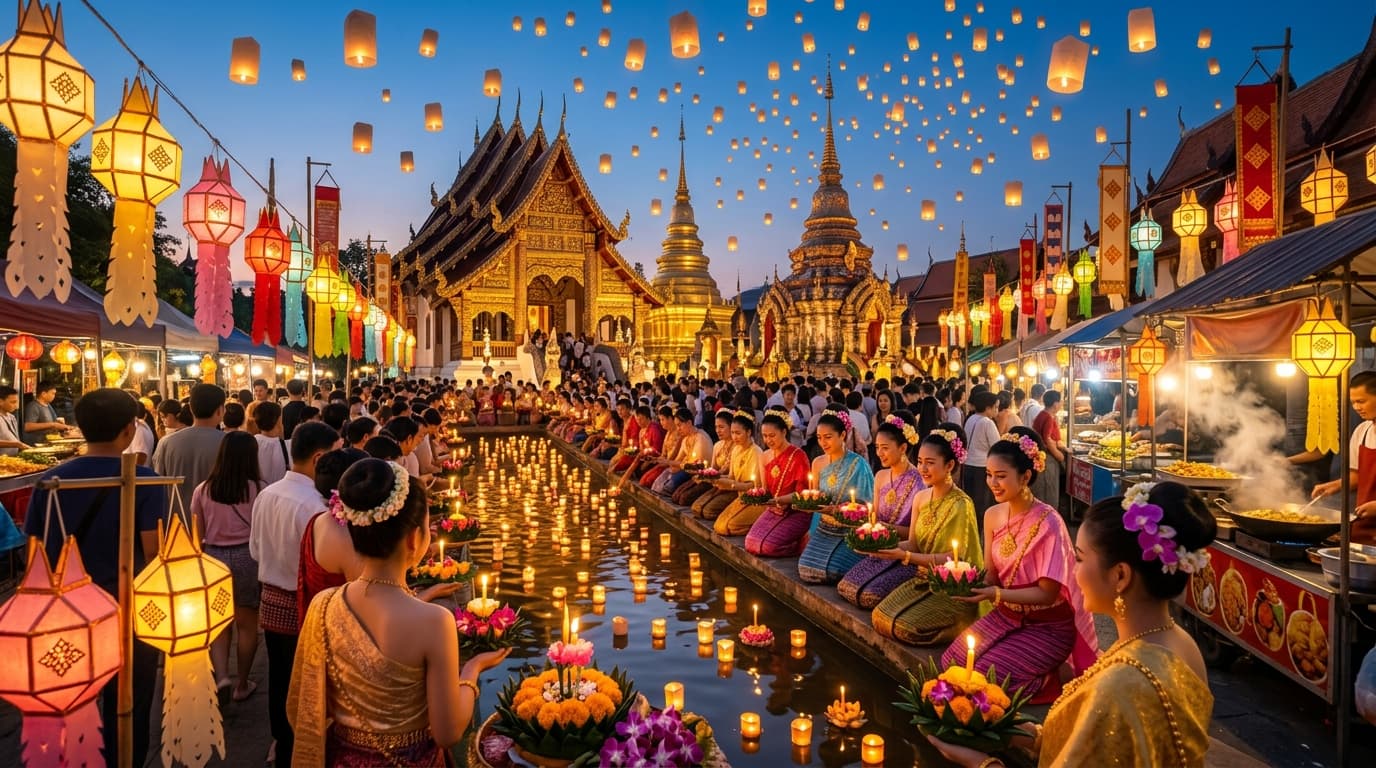
Japan's festival calendar is one of the world's most vibrant and diverse. From cherry blossoms painting entire cities pink in spring to lantern-lit summer fireworks and autumn temple celebrations, Japan festivals and events shape the rhythm of travel throughout the year. Timing your visit around these cultural moments transforms a standard trip into an unforgettable experience—but it also means understanding crowds, booking strategies, and regional variations that can make or break your plans.
Key Takeaways
| Question | Answer |
|---|---|
| What is the best time to visit for festivals? | Late March–April (cherry blossoms), July–August (summer festivals), and November (autumn foliage). Peak seasons mean higher prices and crowds. |
| How much does it cost? | Festival entry is often free; accommodation and transport cost 2–3× more during peak seasons. Budget ¥8,000–15,000 USD per day during festivals. |
| How do I get there? | Use Japan Railways (JR) and local transport. Book shinkansen (bullet train) tickets 1–2 weeks in advance during festival season. |
| Is it safe? | Yes. Large festivals are well-organized with clear crowd management. Avoid peak hours (early evening) if you dislike crowds. |
| What should I book in advance? | Hotels (2–3 months ahead), shinkansen tickets, and festival viewing spots. Day-of bookings are rarely available during major events. |
| Which festivals are most popular? | Cherry blossom season (late March–early April), Gion Matsuri in Kyoto (July), and autumn temple festivals (November). |
| Can I experience festivals outside peak season? | Yes. Smaller regional matsuri (festivals) happen year-round with fewer crowds and authentic local atmosphere. |
1. Understanding Japan's Festival Calendar and Seasonal Patterns
Japan festivals follow both the lunar calendar and fixed dates, creating a year-round celebration cycle rooted in Shinto and Buddhist traditions. Each season brings distinct events tied to agriculture, spirituality, and cultural heritage. Understanding this rhythm is essential for planning a trip that aligns with your interests—whether you're drawn to the visual spectacle of cherry blossoms, the energy of summer fireworks, or the contemplative beauty of autumn temple gatherings.
Our research shows that festival seasons cluster into four distinct periods, each with its own character and travel implications. Spring festivals celebrate renewal and new beginnings, summer events emphasize community and fire, autumn gatherings honor the harvest and changing seasons, and winter celebrations blend traditional and modern festivities. Knowing these patterns helps you avoid peak crowds while still experiencing authentic cultural moments.
The Four Festival Seasons
Spring (March–May) dominates the global festival calendar, with cherry blossom season (sakura matsuri) drawing millions of visitors. Beyond blossoms, spring includes smaller shrine festivals and garden celebrations. Temperatures range from 10–20°C, making it comfortable for walking and exploring. However, spring is the most expensive and crowded season—hotels book out 2–3 months in advance, and popular viewing spots require arriving before dawn.
Summer (June–August) brings Obon season (mid-August), when millions of Japanese return to their hometowns for family reunions and ancestor veneration. This period features vibrant fireworks festivals (hanabi taikai) and energetic street dancing (bon odori). Humidity peaks at 70–90%, and temperatures reach 30–35°C, making early morning or evening exploration essential. Summer is moderately crowded but less expensive than spring, with more flexibility for last-minute bookings.
Regional Festival Variations
Kyoto hosts Japan's most famous festival, Gion Matsuri (July 1–31), featuring elaborate floats and traditional processions. The Kyoto travel guide covers this extensively, but book accommodation 3–4 months ahead. Tokyo celebrates Sumida River Fireworks (late July) and smaller neighborhood matsuri throughout the year. Osaka and the Kansai region host Tenjin Matsuri (July 24–25) and numerous autumn festivals. Hokkaido in the north features unique summer festivals like Sapporo Odori Matsuri (August), detailed in our Sapporo travel guide.
2. Spring Festivals: Cherry Blossoms and Beyond (Late March–May)
Cherry blossom season is the most iconic Japan festival period, but it's also the most crowded and expensive. The sakura bloom lasts only 1–2 weeks per location, creating intense competition for viewing spots and accommodation. If you're planning a spring trip, understanding the bloom timeline and regional variations is critical for securing good experiences without overpaying.
Our team's research shows that cherry blossom forecasts become available in late January, allowing savvy travelers to book accommodation in early February. The bloom typically progresses northward: Kyoto and Tokyo bloom in late March to early April, while Hokkaido's blossoms arrive in late April to early May. This geographic spread offers flexibility—if Tokyo is fully booked, consider traveling to Nara or Hiroshima for equally stunning but less crowded viewing.
Timing and Locations for Cherry Blossoms
Peak bloom dates vary by 1–2 weeks annually, making forecasts essential. Late March typically sees blooms in southern regions; early April is peak in Tokyo and Kyoto; and late April is ideal for northern destinations. Major viewing spots fill by 6–7 AM, so arrive early or visit on weekdays rather than weekends. Night viewing (yozakura) is popular but extremely crowded—expect shoulder-to-shoulder conditions at famous parks.
Best locations for cherry blossoms include Tokyo's Ueno Park (urban convenience), Kyoto's Philosopher's Path (serene temple setting), and Hiroshima's Hiroshima Castle grounds (historical significance). Each offers distinct atmospheres: Ueno is bustling and commercial, the Philosopher's Path is quiet and contemplative, and Hiroshima combines history with natural beauty. Our experience visiting in early April showed that weekday mornings offered the best balance of crowds and lighting for photography.
Beyond Cherry Blossoms: Spring's Other Festivals
Takayama Matsuri (April 14–15 in Takayama, Chubu region) features elaborate floats and traditional music, attracting far fewer international visitors than cherry blossom spots. Aoi Matsuri (May 15 in Kyoto) celebrates with a grand procession of court nobles in Heian-period costumes. These events offer authentic cultural experiences without the overwhelming crowds of cherry blossom season.
- Peak season advantage: Mild weather (15–20°C) and stunning natural scenery.
- Budget consideration: Hotels cost 50–100% more than off-season rates; expect ¥12,000–20,000 USD per night in major cities.
- Booking strategy: Reserve accommodation by February; purchase shinkansen tickets 2 weeks in advance.
- Crowd avoidance: Visit on weekdays, arrive before 7 AM, or explore less-famous parks in smaller cities.
3. Summer Festivals: Energy, Fire, and Obon Celebrations (June–August)
Summer in Japan is festival season for locals, marked by fireworks (hanabi), street dancing (bon odori), and the Obon holiday period (August 13–15). These events feel more intimate and participatory than spring's cherry blossom viewing—you're not just observing, but joining community celebrations. However, summer heat and humidity (30–35°C, 70–90% humidity) require careful planning for comfort and safety.
Obon is Japan's most significant summer event, when families return to ancestral hometowns and cemeteries are visited. This means mid-August is extremely busy for transport and accommodation, with higher prices and limited availability. However, if you travel in early July or late August, you'll experience summer festivals with manageable crowds and better booking flexibility.
Major Summer Festivals and Events
Gion Matsuri (July 1–31 in Kyoto) is Japan's most famous summer festival, featuring elaborate float processions, traditional music, and street food stalls. The main procession (Yamahoko Junko) occurs on July 17 and 24. Accommodation in Kyoto books out 3–4 months ahead; consider staying in nearby Osaka and taking the train to Kyoto for the main events. Our research indicates that visiting on July 16 or 23 (the day before main processions) offers excellent viewing with 20–30% fewer crowds.
Sumida River Fireworks (late July in Tokyo) attracts over 1 million spectators, making it one of Japan's largest fireworks displays. Arrive by 4 PM to secure viewing spots along the riverbank. Tenjin Matsuri (July 24–25 in Osaka) features a nighttime river procession with thousands of lanterns—a magical experience that rivals Gion Matsuri but with fewer international tourists.
Bon Odori (August 13–15 nationwide) is a participatory street-dancing festival where locals and visitors dance together in traditional movements. Every neighborhood hosts its own bon odori, making this an excellent time to experience authentic local culture. Unlike major matsuri, bon odori is free and welcomes participation from anyone willing to learn the basic steps.
Fireworks and Summer Night Markets
Hanabi taikai (fireworks festivals) occur throughout July and August in cities and towns nationwide. These are smaller, more local events than the famous Sumida River display, but equally spectacular and far less crowded. Fireworks typically last 30–60 minutes and start around 7–8 PM, allowing you to enjoy dinner beforehand at festival food stalls.
Summer festivals feature extensive food vendors selling takoyaki (octopus balls), yakitori (grilled chicken skewers), shaved ice, and regional specialties. This is one of the best times to experience casual Japanese street food culture.
- Heat management: Wear light, breathable clothing; carry a small towel and water bottle; take breaks in air-conditioned spaces.
- Obon travel tip: Avoid mid-August (August 10–20) if possible; travel early July or late August for better availability and prices.
- Festival food: Budget ¥1,000–2,000 JPY per person for festival meals; prices are 30–50% higher than regular restaurants.
- Viewing strategy: Arrive 2–3 hours early for major fireworks; bring a mat or cushion for comfortable ground seating.
4. Autumn Festivals: Foliage, Temples, and Harvest Celebrations (September–November)
Autumn is arguably the best season for experiencing Japan festivals without the chaos of spring. Temperatures cool to a pleasant 15–25°C, foliage transforms landscapes into shades of red and gold, and festivals shift focus to temples, shrines, and harvest themes. This season offers the ideal balance of cultural richness, comfortable weather, and manageable crowds—though November (peak foliage season) does see increased tourism.
Autumn festivals emphasize spiritual renewal and gratitude, reflecting Japan's agricultural heritage. Many temples host special exhibitions, night illuminations (yake), and traditional performances during this season. Our team's experience visiting Kyoto temples in November showed that even peak foliage season offers quieter experiences if you visit on weekday mornings or venture to less-famous temples.
Temple Festivals and Autumn Foliage Events
Takayama Matsuri (October 9–10 in Takayama, Chubu region) is autumn's counterpart to the spring festival, featuring the same elaborate floats but with far fewer international visitors. This is an excellent opportunity to experience authentic matsuri culture without overwhelming crowds. Takayama itself is a beautifully preserved Edo-period town, making the festival part of a larger cultural immersion.
Autumn foliage festivals occur throughout November at temples and gardens nationwide. Kyoto's temples offer night illuminations (yake) where maple trees are lit against dark skies, creating ethereal landscapes. Popular spots like Kiyomizu-dera and Kinkaku-ji book viewing time slots in advance; reserve online 1–2 weeks ahead. Less-famous temples like Nanzen-ji and Ginkaku-ji offer equally stunning foliage with 50% fewer crowds.
Shichigosan (November 15) celebrates children aged 3, 5, and 7 with visits to shrines wearing traditional kimono. While primarily a family event, it offers charming photo opportunities and insights into Japanese family culture. Shrines are busy in the morning; visit in late afternoon for a quieter experience.
Harvest and Spiritual Renewal Themes
Chrysanthemum festivals (kiku matsuri) occur in October–November at temples and parks, showcasing elaborate floral displays and traditional arrangements. These are quiet, meditative events perfect for travelers seeking peaceful cultural experiences. Autumn equinox festivals (higan matsuri) in September and October celebrate the balance of day and night with temple services and family gatherings.
- Foliage timing: Peak colors occur in late October (northern regions) through November (central and southern regions). Check foliage forecasts starting in September.
- Temple viewing strategy: Book night illuminations 1–2 weeks in advance; visit popular temples on weekday mornings for better experiences.
- Weather advantage: Autumn weather is ideal for walking and exploring—comfortable temperatures and lower humidity make full-day sightseeing enjoyable.
- Accommodation booking: November books up 4–6 weeks in advance, but September–early October offers flexibility with excellent weather.
Did You Know? Japan's autumn foliage season (kouyou) follows a predictable northward progression, starting in Hokkaido in late September and reaching southern regions by November. The Japan Meteorological Corporation releases official foliage forecasts, allowing travelers to time visits perfectly.
5. Winter Festivals and Year-End Celebrations (December–February)
Winter in Japan is quieter than other seasons, but it offers unique festivals, stunning illuminations, and the spiritual significance of year-end and New Year celebrations. December features elaborate light displays and Christmas markets (though Christmas is celebrated commercially rather than religiously), while January brings Shogatsu (New Year) festivals and shrine visits that are deeply meaningful to Japanese culture.
Winter temperatures range from 0–10°C in most regions, dropping below freezing in northern areas. Snow is common in Hokkaido and mountain regions but rare in Tokyo and Kyoto. This season is ideal for travelers seeking authentic experiences without peak-season crowds—hotels offer 20–40% discounts compared to spring and autumn, and popular sites are accessible without dawn arrivals.
New Year Celebrations and Winter Light Displays
Shogatsu (January 1–3) is Japan's most important holiday, when families visit shrines and temples to pray for the new year. Shrines host special services, and streets fill with people in traditional dress. While not a "festival" in the matsuri sense, Shogatsu offers profound cultural insights. Major shrines like Meiji Shrine in Tokyo and Fushimi Inari in Kyoto receive millions of visitors during this period, but visiting on January 2–3 (rather than January 1) reduces crowds by 50%.
Winter illuminations (illumineshon) transform cities into glowing wonderlands from November through February. Tokyo, Kyoto, and Osaka feature elaborate light displays in parks, temples, and commercial districts. These are free to view and create magical evening atmospheres. Our team visited Kyoto's temple illuminations in December and found them equally stunning but far less crowded than autumn foliage season.
Omisoka (December 31) sees temple visits and traditional cleaning rituals as families prepare for the new year. While not a tourist-focused event, it offers authentic cultural observation opportunities. Some temples host special services and allow visitors to participate in cleaning rituals.
Winter Regional Festivals
Yuki Matsuri (Snow Festival, February in Sapporo, Hokkaido) features enormous snow sculptures and ice sculptures displayed throughout the city. This is Hokkaido's signature winter event, attracting visitors interested in winter sports and unique ice art. Unlike summer festivals, Yuki Matsuri is less crowded and offers excellent accommodation availability—book 4–6 weeks in advance rather than months ahead.
Winter fireworks occur in smaller numbers than summer but offer unique experiences. Some mountain resorts host winter fireworks over snow-covered landscapes, creating surreal visual effects.
- New Year timing: Visit January 2–3 to experience Shogatsu atmosphere with 50% fewer crowds than January 1.
- Accommodation advantage: Winter offers 20–40% discounts; book 2–4 weeks in advance rather than months ahead.
- Weather preparation: Pack layers; winter in central Japan is cold and damp rather than snowy, requiring waterproof jackets.
- Illumination viewing: Visit light displays in early evening (5–7 PM) for optimal lighting and manageable crowds.
6. Planning Around Crowds: Peak vs. Off-Peak Strategies
Understanding crowd patterns is essential for enjoying Japan festivals without feeling overwhelmed. Peak seasons (late March–April, July–August, November) see 2–3× normal visitor volumes, resulting in higher prices, longer waits, and crowded transportation. However, strategic timing within these seasons can dramatically improve your experience.
Our research shows that weekday visits reduce crowds by 40–60% compared to weekends, even during peak seasons. Visiting the day before or after major festival events (rather than on the main day) offers excellent compromises—you experience the festival atmosphere with significantly fewer people. For example, visiting Gion Matsuri on July 16 (the day before the main July 17 procession) provides nearly identical experiences with 30–50% fewer crowds.
Crowd Avoidance Tactics
Timing within the day is crucial. Major festivals peak between 11 AM and 6 PM; visiting before 9 AM or after 7 PM dramatically reduces crowds. For cherry blossom viewing, arriving by 6–7 AM secures good spots; by 9 AM, popular parks are packed. For fireworks festivals, arriving by 4–5 PM ensures reasonable viewing positions; arriving after 6 PM means standing room only.
Weekday vs. weekend differences are dramatic. Visiting on Tuesday–Thursday rather than Saturday–Sunday reduces crowds by 40–60%, even during peak seasons. If your schedule allows, take time off mid-week to experience festivals with better access and more relaxed atmospheres.
Off-peak alternatives within peak seasons offer excellent compromises. Instead of visiting Kyoto during peak cherry blossom season (April 1–10), visit April 11–20 when blooms are fading but crowds have dispersed. Instead of visiting Tokyo's Sumida Fireworks (peak day: late July), visit one of the dozens of smaller fireworks festivals in suburban Tokyo or nearby prefectures in early July.
Regional Variations and Lesser-Known Festivals
Smaller cities and towns host equally impressive festivals with 80–90% fewer crowds. Takayama's matsuri rivals Gion Matsuri in spectacle but attracts a fraction of the visitors. Kanazawa, Nakanasendo, and other heritage towns host authentic festivals that feel more local and less touristy. Consider basing your trip in a smaller city and taking day trips to major attractions, rather than staying in crowded Tokyo or Kyoto.
Regional festivals occur year-round in every prefecture. Checking local tourism websites for smaller matsuri in your travel dates reveals hidden gems. These events often feature better food, more authentic experiences, and opportunities to interact with locals who are delighted to see foreign visitors.
- Booking flexibility: Off-peak festival dates (weekdays, days adjacent to main events) offer 30–50% better accommodation availability and 20–30% lower prices.
- Transportation advantage: Shinkansen and local trains are less crowded on weekdays; booking 1 week in advance (rather than 2–3 weeks) is often sufficient.
- Authentic experience: Smaller festivals and off-peak timing offer more genuine cultural interactions and less commercialized atmospheres.
7. Booking Strategies: Accommodation, Transport, and Festival Access
Securing good accommodation and transport during festival season requires advance planning, but strategic booking can save 30–50% compared to last-minute reservations. The key is understanding booking windows for different seasons and leveraging regional alternatives when major destinations are full.
Spring (cherry blossoms): Book accommodation by late January or early February. Prices spike 50–100% above off-season rates; expect ¥12,000–20,000 USD per night in major cities. If Tokyo and Kyoto are fully booked, consider Nara, Kanazawa, or Hiroshima, which offer excellent cherry blossom viewing with 40–60% lower prices and better availability. Purchase shinkansen tickets 2–3 weeks in advance through the official JR website or authorized travel agents.
Summer (Obon, fireworks): Book accommodation 4–6 weeks in advance for July festivals; avoid mid-August (August 10–20) when Obon travel peaks. Early July and late August offer better availability and 20–30% lower prices than peak Obon period. Fireworks festivals often don't require advance booking for viewing, but securing accommodation near festival sites is essential.
Autumn (foliage, temple festivals): November is peak season; book accommodation 4–6 weeks in advance. September–early October offers excellent weather with better availability and 30–40% lower prices. Night illuminations at temples require advance reservations (typically 1–2 weeks ahead) through temple websites or travel platforms.
Winter (New Year, illuminations): Book 2–4 weeks in advance. Winter offers the best accommodation prices (20–40% discounts) and availability, making it ideal for flexible travelers. January 1–3 (Shogatsu) sees crowds at major shrines, but accommodation remains available due to lower overall winter tourism.
Transport Booking and Regional Alternatives
Shinkansen (bullet train) is essential for festival travel between regions. Book 2–3 weeks in advance during peak seasons; reserved seats cost ¥13,000–16,000 JPY (USD $90–110) for Tokyo–Kyoto. If shinkansen is fully booked, consider night buses (cheaper, takes 8 hours) or flying (more expensive but faster). Our research shows that booking shinkansen tickets on weekday departures (rather than Friday–Sunday) offers better availability and sometimes lower prices.
JR Pass (Japan Rail Pass) is worthwhile if you're traveling between multiple regions during festival season. A 7-day pass costs around ¥29,650 JPY (USD $200) and covers unlimited train travel, making it economical for multi-city trips. However, it requires advance purchase (before arriving in Japan) and doesn't cover reserved seat fees on shinkansen.
Local accommodation alternatives: If hotels in major cities are fully booked, consider ryokan (traditional inns), hostels, or Airbnb-style rentals in nearby towns. Staying 20–30 km outside major cities and taking local trains to festivals often costs 50–70% less than central accommodation while still providing reasonable access.
- Accommodation booking window: Spring (2–3 months ahead), summer (4–6 weeks), autumn (4–6 weeks), winter (2–4 weeks).
- Transport booking: Shinkansen 2–3 weeks ahead; local trains 1 week ahead; buses 1–2 weeks ahead.
- Price advantage: Booking 1–2 weeks earlier than peak periods (e.g., booking April 15 travel in late February rather than mid-March) saves 20–30% on accommodation.
- Regional alternatives: Staying in smaller cities and taking day trips to major festivals saves 40–60% on accommodation while reducing crowds.
8. Practical Festival Etiquette and Safety Considerations
Attending Japan festivals as a visitor comes with cultural expectations and safety considerations that enhance your experience and show respect for local traditions. Understanding basic etiquette prevents awkward situations and allows you to participate more authentically in celebrations.
Photography etiquette varies by festival. Most matsuri welcome photography, but some temple festivals restrict cameras during services. Always ask before photographing people, especially children in traditional dress. Avoid blocking others' views with large cameras or tripods; be mindful of your position and move if you're obstructing sightlines.
Dress codes are generally relaxed for festival viewing, but wearing yukata (casual kimono) or happi (festival coat) shows respect and enhances your experience. Many rental shops offer yukata rentals for ¥3,000–5,000 JPY (USD $20–35) per day. However, wearing yukata incorrectly is considered disrespectful; if renting, ask staff to help you dress properly. Comfortable walking shoes are essential—festivals involve hours of standing and walking.
Safety and Health Precautions
Crowds and heat: Large festivals can be physically demanding. Bring water, sunscreen, and a small towel. If you feel overwhelmed by crowds, step aside to rest; festival areas have quiet zones away from main crowds. Summer festivals present heat exhaustion risks; take breaks in air-conditioned spaces and avoid excessive alcohol in heat.
Valuables and theft: While Japan is generally safe, festival crowds attract pickpockets. Keep valuables in front pockets or secure bags; avoid displaying expensive cameras or jewelry. Use hotel safes for passports and extra cash.
Emergency contacts: Save your hotel's address and phone number in your phone. Major festivals have first aid stations; ask festival staff (identifiable by armbands or uniforms) for assistance if needed. Emergency number in Japan is 110 (police) or 119 (ambulance).
Alcohol safety: Festival stalls sell beer, sake, and other drinks. Drinking in public is legal in Japan, but excessive consumption is frowned upon. Pace yourself, alternate alcoholic drinks with water, and never drink and drive (or cycle).
- Yukata rental: Book 1–2 days in advance during peak seasons; costs ¥3,000–5,000 JPY per day.
- Crowd management: Arrive early, take breaks, and don't hesitate to leave crowded areas if overwhelmed.
- Weather preparation: Carry a compact umbrella (summer rain is common); wear layers for temperature changes between day and evening.
- Festival food safety: Eat from busy stalls with high turnover; avoid food sitting out for extended periods.
9. Food and Drink at Festivals: What to Eat and Budget
Festival food is a highlight of the Japan festival experience, offering regional specialties and seasonal dishes unavailable elsewhere. Understanding festival food culture and budgeting appropriately enhances your experience without overspending.
Festival stalls (yatai) sell a consistent range of items nationwide: takoyaki (octopus balls), yakitori (grilled chicken), okonomiyaki (savory pancakes), shaved ice, and regional specialties. Prices are 30–50% higher than regular restaurants; expect ¥500–1,500 JPY (USD $3.50–10) per item. Budget ¥2,000–3,000 JPY (USD $14–20) per person for a festival meal of 2–3 items plus drinks.
Regional Festival Foods and Specialties
Kyoto festivals feature yudofu (hot pot with tofu), kaiseki-style festival meals, and traditional sweets. Osaka festivals emphasize takoyaki and okonomiyaki—Osaka's signature dishes. Hokkaido summer festivals feature fresh seafood, corn, and regional ramen. Hiroshima festivals showcase okonomiyaki and local fish specialties. Trying regional foods is part of the festival experience; don't miss the opportunity to taste local cuisine.
Alcohol at festivals: Sake is the traditional festival drink, sold in small cups (ochoko) for ¥500–1,000 JPY. Beer, shochu, and umeshu (plum wine) are also available. Festival alcohol is often lower quality than restaurant sake, but the experience of drinking outdoors with crowds is part of the charm.
Dietary restrictions: Vegetarian and vegan options are limited at festival stalls; most items contain meat or fish. If you have dietary restrictions, eat a substantial meal before the festival and enjoy festival atmosphere without relying on stall food. Some larger festivals have dedicated vegetarian stalls; ask festival staff for locations.
- Budget allocation: ¥2,000–3,000 JPY per person for festival food; ¥500–1,000 JPY per drink.
- Timing advantage: Eating early (before 6 PM) at festival stalls means shorter lines and fresher food.
- Regional specialties: Research festival foods specific to your destination; trying local dishes is a highlight of festival travel.
Did You Know? Takoyaki (octopus balls) originated in Osaka in the 1930s and became a festival staple nationwide. Today, takoyaki stalls are ubiquitous at Japanese festivals, serving millions of portions annually.
Source: Lonely Planet Japan
10. Creating Your Festival Travel Itinerary: Sample Plans by Season
Building a festival-focused itinerary requires balancing major attractions with travel time and crowd management. Here are sample itineraries for each season, designed around major festivals while incorporating regional variety and practical logistics.
Spring Itinerary: Cherry Blossoms (Late March–Early April)
Days 1–3: Tokyo – Arrive in Tokyo, visit Ueno Park and nearby neighborhoods for cherry blossoms. Ueno is crowded but convenient; arrive by 6 AM for good viewing spots. Explore hidden gems in Tokyo in afternoon when crowds peak.
Days 4–6: Kyoto – Take shinkansen to Kyoto (2.5 hours, book 2 weeks ahead). Visit Philosopher's Path and Kiyomizu-dera for cherry blossoms with fewer crowds than central Kyoto. Book accommodation in Kyoto 2–3 months in advance.
Days 7–8: Nara – Day trip from Kyoto to Nara (45 minutes by train). Nara's cherry blossoms are equally stunning as Kyoto with 60% fewer crowds. Visit Todai-ji Temple and Nara Park.
Budget estimate: ¥150,000–200,000 JPY (USD $1,000–1,350) for 8 days including accommodation (¥8,000–12,000 per night), transport, and meals.
Summer Itinerary: Gion Matsuri and Fireworks (July)
Days 1–3: Kyoto – Arrive in Kyoto for Gion Matsuri (July 1–31). Book accommodation 3–4 months in advance. Visit on July 16 (day before main procession) for better crowds than July 17.
Days 4–5: Osaka – Take train to Osaka (75 minutes). Experience Tenjin Matsuri (July 24–25) or visit earlier in July for smaller fireworks festivals.
Days 6–7: Tokyo – Shinkansen to Tokyo (2.5 hours). Experience Sumida River Fireworks (late July) or smaller neighborhood fireworks festivals in early July.
Budget estimate: ¥120,000–160,000 JPY (USD $800–1,100) for 7 days. Summer accommodation is cheaper than spring; budget ¥6,000–9,000 per night.
Autumn Itinerary: Foliage and Temple Festivals (October–November)
Days 1–3: Takayama – Fly to Nagoya, take train to Takayama (2.5 hours). Experience Takayama Matsuri (October 9–10) or visit in early October for fewer crowds with excellent weather.
Days 4–6: Kyoto – Train to Kyoto (4 hours). Visit temples for autumn foliage; book night illuminations 1–2 weeks in advance. Popular temples: Kiyomizu-dera, Nanzen-ji, Ginkaku-ji.
Days 7–8: Nara – Day trips from Kyoto to Nara for foliage and Shichigosan (November 15) if traveling in mid-November.
Budget estimate: ¥140,000–180,000 JPY (USD $950–1,200) for 8 days. Autumn accommodation books 4–6 weeks ahead; budget ¥7,000–10,000 per night.
Winter Itinerary: New Year and Illuminations (December–January)
Days 1–2: Tokyo – Arrive in Tokyo, visit winter illuminations in Roppongi or Marunouchi (free, open until 11 PM). Explore Tokyo travel guide for winter activities.
Days 3–5: Kyoto – Shinkansen to Kyoto. Visit temple illuminations (book 1–2 weeks ahead). Explore Gion district and traditional neighborhoods.
Days 6–7: Osaka – Train to Osaka. Visit Osaka Castle illuminations and local winter festivals.
Days 8: Shrine Visit for Shogatsu – Return to Tokyo or Kyoto for New Year shrine visits (January 1–3). Visit Meiji Shrine (Tokyo) or Fushimi Inari (Kyoto) on January 2–3 for Shogatsu atmosphere with fewer crowds than January 1.
Budget estimate: ¥100,000–140,000 JPY (USD $680–950) for 8 days. Winter offers best accommodation prices (20–40% discounts); budget ¥5,000–8,000 per night.
Frequently Asked Questions
When is the best time to visit Japan for festivals?
Late March–April (cherry blossoms), July–August (summer festivals), and November (autumn foliage) are peak festival seasons. However, each season offers trade-offs: spring is most crowded and expensive; summer is hot and humid but offers vibrant community events; autumn has ideal weather but books out 4–6 weeks in advance. Consider visiting September–early October or January–February for excellent festival experiences with better availability and lower prices.
How much does it cost to attend festivals in Japan?
Festival entry is typically free; costs come from accommodation, transport, and food. During peak seasons, budget ¥12,000–20,000 USD per night for hotels in major cities. Festival food costs ¥2,000–3,000 JPY (USD $14–20) per person. Transport between cities via shinkansen costs ¥13,000–16,000 JPY (USD $90–110) per journey. Overall, budget ¥8,000–15,000 USD per day during peak festival seasons, or ¥5,000–10,000 USD per day during off-peak seasons.
Do I need to book festivals in advance?
Most matsuri (festivals) are free and don't require advance booking for viewing. However, accommodation and transport must be booked 2–6 weeks in advance depending on season. Some temple night illuminations (yake) require advance reservations (1–2 weeks ahead). Shinkansen tickets should be booked 2–3 weeks in advance during peak seasons.
What should I wear to Japanese festivals?
Casual clothing is appropriate for most festivals. Wearing yukata (casual kimono) shows respect and enhances the experience; rental shops offer yukata for ¥3,000–5,000 JPY per day. Comfortable walking shoes are essential. Avoid formal business attire or overly casual beachwear. If wearing yukata, ask rental staff to help you dress properly—wearing it incorrectly is considered disrespectful.
How do I avoid crowds at Japanese festivals?
Visit on weekdays (Tuesday–Thursday) rather than weekends; crowds are 40–60% lower. Arrive early (before 9 AM) or visit after 7 PM. Visit the day before or after major festival events rather than on the main day. Consider smaller cities and lesser-known festivals, which offer authentic experiences with 80–90% fewer crowds. Check local tourism websites for regional matsuri in your travel dates.
Is it safe to attend large festivals in Japan?
Yes. Large festivals are well-organized with clear crowd management and security. Avoid peak hours (11 AM–6 PM) if you dislike crowds. Keep valuables secure and avoid excessive alcohol. Major festivals have first aid stations; ask festival staff (identifiable by armbands) for assistance if needed. Japan is generally safe; festival crowds attract pickpockets, so keep valuables in front pockets or secure bags.
Can I experience authentic festivals without visiting during peak season?
Yes. Every prefecture hosts regional matsuri year-round. Visiting smaller cities and towns offers authentic festival experiences with 80–90% fewer crowds. September–early October and January–February offer excellent festival options with better availability and lower prices than peak seasons. Smaller festivals often feature better food, more genuine cultural interactions, and opportunities to meet locals.
Conclusion
Japan festivals and events are woven into the cultural fabric of the country, offering profound insights into Japanese spirituality, community, and seasonal rhythms. Whether you're drawn to the visual spectacle of cherry blossoms, the energetic community spirit of summer fireworks, the contemplative beauty of autumn temples, or the spiritual significance of New Year celebrations, timing your visit around festivals transforms a standard trip into an unforgettable cultural experience.
The key to successful festival travel is strategic planning: book accommodation 2–6 weeks in advance depending on season, purchase transport tickets early, and consider visiting on weekdays or the day before/after major events to balance festival atmosphere with manageable crowds. If peak seasons are fully booked or feel overwhelming, explore smaller cities and regional festivals—these often offer more authentic experiences with better availability and lower prices.
For comprehensive planning across all seasons, explore our best time to visit Japan guide. For transport logistics, check our guide to getting around Japan. And for budget planning, read our is Japan expensive guide.
Start planning your festival trip today—the best experiences come from advance preparation combined with flexibility to discover unexpected local celebrations along the way.
We may earn a small commission from bookings made through our links, at no extra cost to you. This helps us keep creating free travel guides.
Sources & References
This article is based on first-hand experience and verified with the following official sources:

Go2Japan Team
Exploring Japan since 2021 | 35+ prefectures visited | Updated monthly
We are a team of travel writers and Japan enthusiasts who explore the country year-round. Our guides are based on first-hand experience, local knowledge, and verified official sources.
More about us →People Also Read
Japan Itinerary: How to Plan 7, 10 and 14 Days
Discover how to craft the perfect Japan itinerary for 7, 10, or 14 days, covering Tokyo, Kyoto, and more with practical tips, sights, and routes.
Japan in December: Snow, Lights & New Year Traditions
Discover December in Japan: winter illuminations, snow in Hokkaido, New Year traditions, and how to plan your visit during peak season.

Japan in Peak Season vs Low Season: Honest Comparison
Peak vs low season in Japan: crowds, costs, weather, and festivals compared. Plan smarter with honest pros and cons for each season.

Best Beach Destinations in Japan for Different Travel Styles
Discover Japan's best beach islands for every traveler. From party hotspots to quiet retreats, find your perfect coastal escape.
Plan Your Japan Trip
Book hotels, transport, activities, and get connected with an eSIM
Some links are affiliate links. We may earn a commission at no extra cost to you.