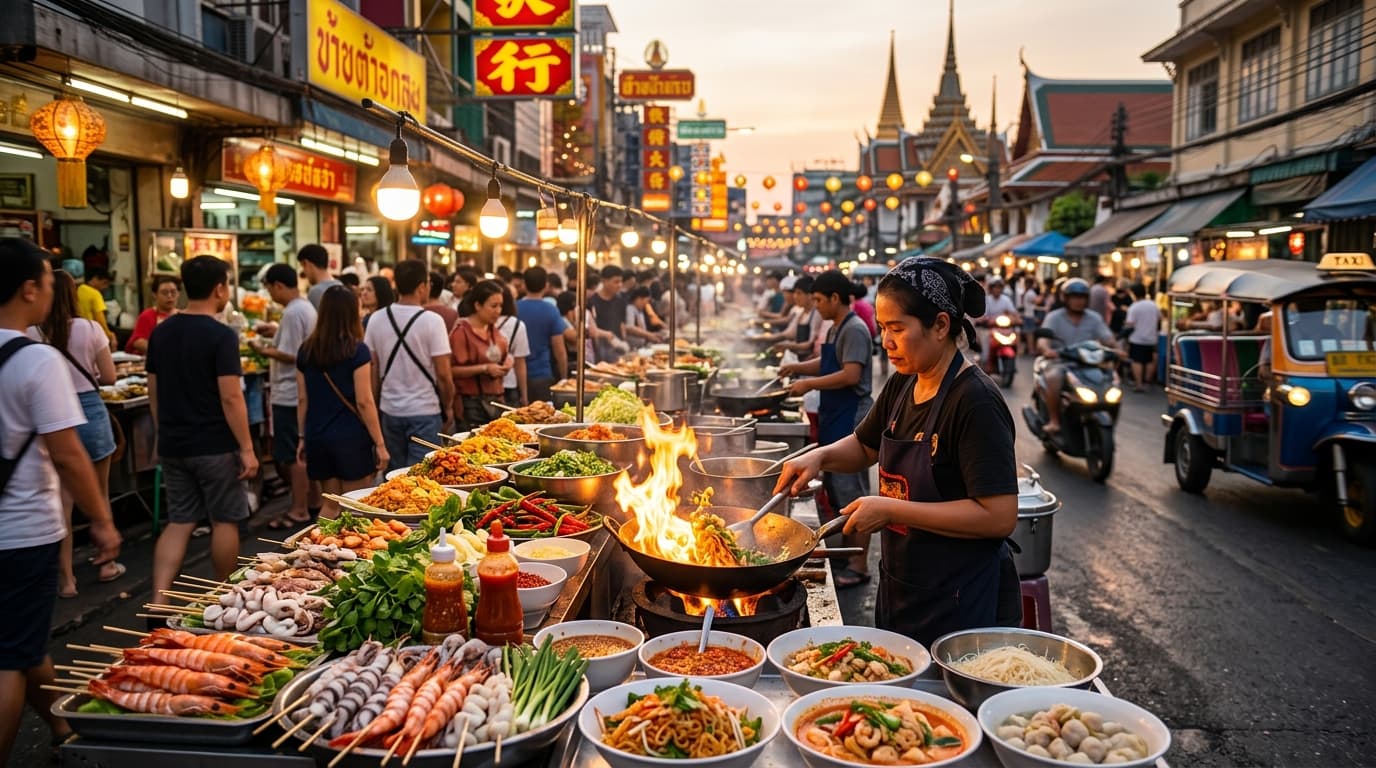
Imagine stepping into a bustling Tokyo izakaya, where the sizzle of yakitori meets the chatter of locals unwinding after work—this is the heart of Japan's culinary world. Our Japan food guide dives deep into the flavors that define this island nation, from fresh seafood to comforting noodles, drawing on our team's extensive on-the-ground research across regions like Kanto and Kansai. Whether you're a first-time visitor or a returning food enthusiast, these insights will help you navigate menus and markets with confidence.
Key Takeaways
| Question | Answer |
|---|---|
| What are the must-try dishes in Japan? | Iconic options like sushi, ramen, and tempura offer a mix of raw, broiled, and fried flavors central to Japanese cuisine. |
| How much does eating out cost? | Budget meals start at around 500-1,000 JPY (about 3-7 USD), while high-end kaiseki can reach 10,000 JPY (70 USD) or more—check current prices as they vary by location. |
| Where to find the best street food? | Vibrant spots like Osaka's Dotonbori or Tokyo's Tsukiji Outer Market for takoyaki and fresh bites. |
| Is vegetarian food widely available? | Yes, with shojin ryori (temple cuisine) and vegetable-focused dishes, though soy-based options dominate—always confirm with "bejiitarian desu ka?" |
| What regional specialties should I seek? | Hokkaido's seafood, Kyoto's kaiseki, and Kyushu's tonkotsu ramen highlight Japan's diverse terroir. |
| How do I order like a local? | Use simple phrases like "kore o kudasai" (this one, please) and slurp noodles loudly to show appreciation. |
| Are there food tours worth booking? | Guided walks in Kyoto or Tokyo markets provide insider access to hidden eateries. |
1. Understanding Japanese Culinary Traditions
Japanese cuisine, or washoku, emphasizes seasonality, balance, and simplicity, reflecting the country's Shinto reverence for nature and Buddhist influences on minimalism. Our team has spent countless hours in Kyoto's traditional ryotei, observing how ingredients like fresh fish and seasonal vegetables are prepared with precision to highlight their natural flavors. This Japan food guide explores how these principles shape everyday eating, from humble street stalls to multi-course meals.
During our research in the Kansai region, we noticed how meals often follow a rhythm tied to the seasons—cherry blossoms in spring pair with sakura mochi, while autumn's persimmons inspire kaki no tane snacks. This cultural depth makes dining an immersive experience beyond mere sustenance.
The Role of Umami and Seasonality
Umami, the savory fifth taste, is a cornerstone of Japanese flavors, derived from ingredients like dashi stock made from kombu seaweed and bonito flakes. In our experience exploring Tokyo's markets, this subtle depth elevates even simple dishes like miso soup into something profound. Travelers often overlook how umami ties into health-focused eating, with low-calorie ferments promoting gut wellness.
Seasonality, or shun, dictates menus; for instance, summer eels in kabayaki style combat humidity. We recommend aligning your trip with festivals like Obon for matsutake mushrooms, ensuring peak freshness.
Common Etiquette for Dining
Eating with chopsticks requires basic etiquette, like not sticking them upright in rice—a nod to funeral rites. When we dined at a family-run soba shop in Nagano, the hosts appreciated our efforts to follow suit, fostering genuine interactions.
- Pro Tip: Pass dishes using both hands to show respect, and never point with chopsticks.
- Group Dining Norm: Share small plates communally, pouring drinks for others before yourself.
- Payment Custom: Split bills evenly at casual spots; say "bekkari" for separate checks.
- Slurping Sounds: Embrace noisy noodle eating—it's a compliment to the chef.
Did You Know? Washoku was inscribed as a UNESCO Intangible Cultural Heritage in 2013, recognizing its emphasis on harmony in ingredients, presentation, and nutrition.
Source: UNESCO
For more on regional nuances, check our Kansai region guide.
2. Sushi: The Icon of Japanese Seafood
Sushi originated in the Edo period as a fast food for laborers, evolving from fermented fish to the vinegared rice and fresh toppings we know today. In this sushi guide, we highlight its cultural significance as a symbol of Japan's maritime bounty and meticulous craftsmanship. Our team relished conveyor-belt kaiten-zushi in Osaka, where affordability meets quality.
Sushi's global fame belies its local variations, from Tokyo's nigiri to coastal towns' fresh uni. It's more than food—it's an art form, with chefs training for decades.
Types of Sushi and Their Origins
Nigiri, hand-pressed rice topped with raw fish, is Tokyo-style, while maki rolls wrap ingredients in nori seaweed. During a rainy afternoon in Yokohama, we sampled chirashi bowls of scattered toppings over rice, a quicker alternative for solo diners.
Oshi-zushi from Osaka presses the mix into boxes, offering a denser bite. For beginners, start with tamago (egg) for its mild sweetness.
Where to Find Authentic Sushi
Head to Tokyo's Tsukiji Outer Market for street-side stalls, or Kyoto's Gion for upscale omakase (chef's choice). Prices vary, but expect 2,000-5,000 JPY (14-35 USD) for a set meal.
- Market Gem: Early morning at fish auctions for the freshest picks (arrive by 5 AM).
- Budget Choice: Department store basement depachika for takeout at half the restaurant price.
- Luxury Pick: Michelin-starred spots in Ginza, though reservations are essential.
- Avoid Trap: Tourist-heavy chains; opt for local recommendations instead.
Link to our detailed Sushi food guide for more tips.
3. Ramen: Hearty Noodle Soups Across Regions
Ramen, introduced by Chinese immigrants in the early 20th century, has become Japan's comfort food, with broths simmered for hours to extract rich flavors. This ramen guide uncovers its evolution into a national obsession, fueled by post-war street vendors. In our Fukuoka research, we braved long lines for tonkotsu, its milky pork broth a revelation on a crisp winter day.
Regional broths define ramen's diversity—shoyu in Tokyo, miso in Hokkaido—each telling a story of local ingredients and history.
Regional Variations in Broth and Toppings
Shoyu ramen uses soy sauce for a light, savory base, often with chashu pork. We found miso ramen in Sapporo particularly warming during snowy visits, loaded with corn and butter for Hokkaido flair.
Tonkotsu from Kyushu boils bones for 12+ hours, creating a creamy texture; pair it with spicy karamen for heat. Miso versions suit colder climates, while shio (salt) highlights clear seafood stocks.
| Broth Type | Best For | Cost (JPY) | Rating |
|---|---|---|---|
| Shoyu | Everyday balance, Tokyo-style | 800-1,200 | ⭐⭐⭐⭐ |
| Miso | Hearty, cold-weather comfort in Hokkaido | 900-1,500 | ⭐⭐⭐⭐⭐ |
| Tonkotsu | Rich indulgence, Kyushu nights | 1,000-1,800 | ⭐⭐⭐⭐ |
| Shio | Light, seafood-focused coastal eats | 700-1,100 | ⭐⭐⭐ |
Ordering and Etiquette Tips
Say "shoyu ramen o kudasai" to specify type; add "karai" for spicy. Slurping is mandatory—our team learned this the hard way in a quiet Kyoto shop, where silence drew stares.
- Customization Hack: Request "futsuu" for standard size to avoid overwhelming portions.
- Side Pairing: Order gyoza dumplings; they're a classic combo.
- Late-Night Spot: Ramen alleys in Shibuya for 24-hour access.
Explore ramen further in our Ramen food guide.
Did You Know? Japan has over 10,000 ramen shops, with new ones opening weekly, showcasing the dish's enduring popularity.
4. Tempura: Crispy Fried Delicacies
Tempura arrived via Portuguese traders in the 16th century, transforming into a light, batter-fried staple using sesame oil for neutrality. In this section of our Japan food guide, we discuss its role in showcasing vegetables and seafood without heaviness. Our Hiroshima trip included a tempura set with local oysters, fried to perfection amid the city's vibrant energy.
The technique prioritizes crunch over grease, often served with tentsuyu dipping sauce of dashi and soy.
History and Frying Techniques
Early tempura mimicked fritters but lightened with rice flour batter. During our Kyoto stay in autumn, we watched chefs in Nishiki Market dip maple leaves for edible art, blending tradition with whimsy.
Modern twists include tendon bowls over rice. Avoid over-oiled versions—authentic ones stay crisp for hours.
Best Places to Enjoy Tempura
Tokyo's Asakusa temples pair it with matcha, while coastal areas like Kamakura offer shrimp-heavy plates. Sets cost 1,500-3,000 JPY (10-21 USD).
- Street Vendor Favorite: Festival stalls for quick bites.
- Upscale Option: Kaiseki inclusions for refined tasting.
- Vegetarian Angle: Focus on nasu (eggplant) and shiitake mushrooms.
- Common Mistake: Dipping too much sauce drowns the flavor—dab lightly.
For deeper dives, see our Tempura food guide.
5. Okonomiyaki and Regional Savory Pancakes
Okonomiyaki, meaning "cook what you like," embodies Japan's DIY spirit, originating in Osaka as a post-war affordable meal. This okonomiyaki guide reveals its interactive appeal, layered with cabbage, meats, and sauce. In Osaka's street scene, our team flipped our own at a yatai stall, laughing through the smoky chaos.
Hiroshima-style stacks layers separately, differing from Osakan mixes.
Variations Between Osaka and Hiroshima Styles
Osaka's version mixes batter with fillings before grilling, topped with bonito flakes that dance in heat. We preferred Hiroshima's during a visit, where noodles add chewiness between cabbage layers.
Both use okonomiyaki sauce, akin to Worcestershire. Vegetarians can sub tofu for pork.
Finding and Ordering Like a Local
Dotonbori in Osaka buzzes with specialists; say "Hiroshima-style o kudasai" elsewhere. Meals run 1,000-2,000 JPY (7-14 USD).
- Interactive Spot: Teppan tables where you cook yourself.
- Pairing Suggestion: With local beer for balance.
- Avoid Pitfall: Overloading toppings—keep it simple for authenticity.
- Festival Tie-In: Try at summer matsuri for seasonal veggies.
Read our Okonomiyaki food guide for recipes.
6. Street Food Essentials: Takoyaki and More
Street food thrives in Japan's festival culture, with takoyaki (octopus balls) from Osaka's 1930s invention leading the way. Our Japan food guide spotlights these portable treats, perfect for on-the-go eating. Wandering Nara's markets, we munched taiyaki fish-shaped waffles filled with custard, a sweet-savory contrast on a sunny day.
Yatai carts in Fukuoka serve yakitori skewers, extending the tradition.
Iconic Street Snacks and Their Cultural Ties
Takoyaki's crispy outside hides tender octopus, drizzled with sauce. In Tokyo's Ameyoko, we sampled kushikatsu (fried skewers), dipped once only to avoid double-dipping etiquette breaches.
Karaage fried chicken bites offer juicy crunch. These snacks fuel long temple walks.
Top Locations for Street Eats
Osaka's Namba for takoyaki clusters; Kyoto's Pontocho alley post-dusk. Prices are low, 300-600 JPY (2-4 USD) per serving.
- Evening Hunt: Yatai rows in Hakata for variety.
- Sweet Alternative: Anmitsu jelly desserts in summer.
- Hygiene Note: Hot oil ensures safety, but watch for crowds.
- Pro Ordering: Point and say "hitotsu" for one.
Link to Convenience Stores Japan for quick bites.
7. Noodles Beyond Ramen: Udon and Soba
Udon's thick wheat noodles and soba's buckwheat strands represent Japan's noodle heritage, with udon from Sanuki and soba from Nagano. This section explores their versatility in our udon guide and soba insights. In a mountain soba hut near Nikko, our team slurped cold zaru soba under autumn leaves, the earthy notes pairing with wasabi dips.
Both trace to Buddhist monks, promoting simple, plant-based meals.
Differences in Texture and Preparation
Udon's chewiness suits hot kitsune (fox) with fried tofu; soba's nuttiness shines in chilled dips. We found hot nabeyaki udon comforting in Kyoto's winter chill.
Soba often includes yuzu for citrus lift. Gluten-free soba appeals to many.
Where to Seek the Best Bowls
Nagano's soba villages or Kagawa's udon tours. Bowls cost 600-1,200 JPY (4-8 USD).
- Regional Hub: Inaniwa udon in Akita for fine strands.
- Set Meal Add-On: With tempura for heartiness.
- Tourist Trap Warning: Airport versions lack freshness—seek local shops.
- Etiquette Essential: Finish broth to honor the effort.
See our Udon food guide and Soba food guide.
Did You Know? Soba noodles are traditionally eaten on December 31st (sobakiri) to symbolize longevity, as buckwheat "cuts" misfortunes.
Source: Lonely Planet Japan
For transport to noodle regions, visit Getting Around Japan Shinkansen Buses Trains.
8. Wagyu and Tonkatsu: Meaty Indulgences
Wagyu beef, prized for marbling, and tonkatsu pork cutlets highlight Japan's meat evolution post-Meiji era. In this wagyu guide, we cover their luxury status. Grilling wagyu in Kobe, our Kobe beef experience amid harbor views was unforgettable, the melt-in-mouth texture justifying the splurge.
Tonkatsu, breaded and fried, serves as an affordable alternative.
Sourcing and Cooking Premium Meats
Kobe wagyu demands A5 grading for peak fat distribution. We avoided overpriced tourist spots in favor of local butchers in Hyogo.
Tonkatsu pairs with cabbage for crunch. Grill wagyu rare to preserve tenderness.
Dining Spots and Budget Advice
Kobe's Chinatown for wagyu sets (5,000+ JPY, 35+ USD); Tokyo's ya for tonkatsu (1,000 JPY).
- Affordable Entry: Shabu-shabu hotpots share the cost.
- Side Dish: Rice and miso round out meals.
- Health Note: Balance with veggies; wagyu is rich.
- Ordering Phrase: "Yakinku" for grilled style.
Our Wagyu food guide and Tonkatsu food guide offer more.
9. Desserts and Sweets: Mochi and Matcha Treats
Japanese sweets, wagashi, use rice and beans for subtle sweetness, tied to tea ceremonies. This mochi guide introduces their artistry. In Kyoto's tea houses, we savored matcha parfaits, the bitter cream balancing red bean paste.
Mochi's pounded rice chews with fillings like zunda (edamame).
Traditional vs. Modern Sweets
Wagashi change with seasons, like sakura mochi in spring. Modern taiyaki innovates with chocolate.
We found warabi mochi's jelly texture refreshing in humid Osaka summers.
Where to Indulge Sweetly
Nishiki Market in Kyoto or department stores nationwide. Treats 200-500 JPY (1-4 USD).
- Tea Pairing: With Matcha for ceremony feel.
- Festival Find: Dango skewers at matsuri.
- Vegan Option: Most are naturally plant-based.
- Avoid Over-Sweet: Stick to traditional for authenticity.
Link to Mochi food guide.
10. Kaiseki: The Art of Multi-Course Dining
Kaiseki, inspired by tea ceremonies, presents seasonal courses in harmony. As the pinnacle of our Japan food guide, it showcases refinement. In a Kyoto ryokan, our team's kaiseki dinner unfolded like a story, each plate a seasonal poem.
It's expensive but transformative.
Structure of a Kaiseki Meal
Starts with sakizuke appetizers, progressing to sashimi and grilled items. We noted the porcelain's role in enhancing visuals.
Ends with rice and pickles for closure.
Experiencing Kaiseki Ethically
Gion's maiko districts host them; book ahead (10,000+ JPY, 70+ USD).
- Vegetarian Version: Shojin ryori in temples.
- Wine Pairing: Local sake elevates.
- Pacing Tip: Savor slowly; it's meditative.
- Common Error: Rushing—let the chef's rhythm guide.
For luxury stays, see our Kyoto travel guide.
We may earn a small commission from bookings made through our links, at no extra cost to you. This helps us keep creating free travel guides.
Frequently Asked Questions
What is the best Japanese food for beginners?
Start with sushi or udon for approachable flavors and textures. These dishes are widely available and customizable, with English menus common in tourist areas like Tokyo. Avoid overly adventurous items like natto (fermented soybeans) until you're ready.
How can I find vegetarian options in Japan?
Look for shojin ryori or menu items marked with vegetables and tofu. Many places accommodate with "yasai dake" (vegetables only) requests, especially in Kyoto's temple districts. For more, read our Practical Info guide.
Is street food safe to eat in Japan?
Yes, hygiene standards are exceptionally high, with hot preparations minimizing risks. Opt for busy stalls in markets like Osaka's for freshness. Always check for steam on takoyaki to ensure it's piping hot.
What drinks pair well with Japanese meals?
Sake or green tea complement most dishes; try junmai for pure rice flavor with sushi. For non-alcoholic, ramune soda refreshes street eats. See our Drinks section.
How expensive is eating in Japan for tourists?
Casual meals average 800-1,500 JPY (6-10 USD), but vary by city—Tokyo is pricier than Fukuoka. Budget by choosing konbini (convenience stores) for onigiri at 200 JPY. Link to Is Japan Expensive 2026 for details.
Are there food allergies accommodations in Japan?
Staff often understand common allergies like nuts or shellfish; say "alergii arimasu" and specify. Apps like Google Translate help, and major chains label menus. Pharmacies stock epinephrine if needed.
When is the best time for food festivals in Japan?
Spring (March-May) for cherry blossom picnics with bento, or autumn for matsutake foraging events. Check Best Time To Visit Japan for seasonal alignments.
Japan's cuisine weaves culture, nature, and community into every bite, from Tokyo's neon-lit ramen counters to Kyoto's serene kaiseki rooms. We've covered must-tries like sushi and regional gems to elevate your trip—now plan your culinary adventure with our Tokyo travel guide or Osaka travel guide. As the Go2Japan Team, our advice stems from years of fieldwork, ensuring you eat like a local with trusted, practical insights.
Sources & References
This article is based on first-hand experience and verified with the following official sources:

Go2Japan Team
Exploring Japan since 2021 | 35+ prefectures visited | Updated monthly
We are a team of travel writers and Japan enthusiasts who explore the country year-round. Our guides are based on first-hand experience, local knowledge, and verified official sources.
More about us →People Also Read

Japan Street Food and Markets: What to Try First
Discover Japan's best street food and markets. Learn what to try first, where to find them, and how to order like a local.

Japan Street Food and Markets: What to Try First
Discover Japan's best street food and markets. Learn what to try first, where to find authentic vendors, and how to order like a local.
Complete Guide to Japanese Convenience Stores (Konbini)
Everything you need to know about Japanese convenience stores (konbini) -- the best foods to try, useful services, chain differences, and how to use them as a budget traveler.
Vegetarian & Vegan Guide to Japan
Complete guide to eating vegetarian and vegan in Japan -- navigating dashi, finding plant-based restaurants, useful Japanese phrases, and the best cities for meat-free travel.
Plan Your Japan Trip
Book hotels, transport, activities, and get connected with an eSIM
Some links are affiliate links. We may earn a commission at no extra cost to you.